Subtotal $0.00

Infrequent motions
Fewer than three bowel movements in a week, or a clear drop from your usual pattern.

Specialist gastroenterology, liver and pancreas care in KPHB Colony, Kukatpally. Sunday OPD, evening hours and on-site FibroScan.
Bowel habits that have changed and stayed changed are worth investigating. Constipation and diarrhoea treatment in KPHB Colony, Kukatpally at Gokul Gastro & Liver Care begins with finding out why the bowel is behaving this way — diet and fluids, a medication side effect, an infection, thyroid or sugar levels, pelvic floor function, or a gut condition such as IBS or IBD.
Monday – Saturday
Sunday
There is no correct number of motions a day — anywhere from three a day to three a week can be normal. What matters clinically is a change from your own pattern, and how hard, how urgent and how complete each visit feels.
Constipation means fewer than three motions a week, or stool that takes straining, comes out hard and lumpy, or leaves you incompletely emptied. Past three months it is chronic constipation — the point at which a gastroenterologist should look for a cause rather than add another laxative.
Diarrhoea means loose or watery stool three or more times a day. Under two weeks it is usually infective or food-related. Beyond four weeks it is chronic, and the likely cause shifts towards malabsorption, IBS or inflammatory bowel disease, thyroid overactivity or a medication effect.
The two are not opposites. Alternating between them is one of the commonest presentations at our gastro clinic in Kukatpally, and usually points to a single functional bowel disorder rather than two separate illnesses.
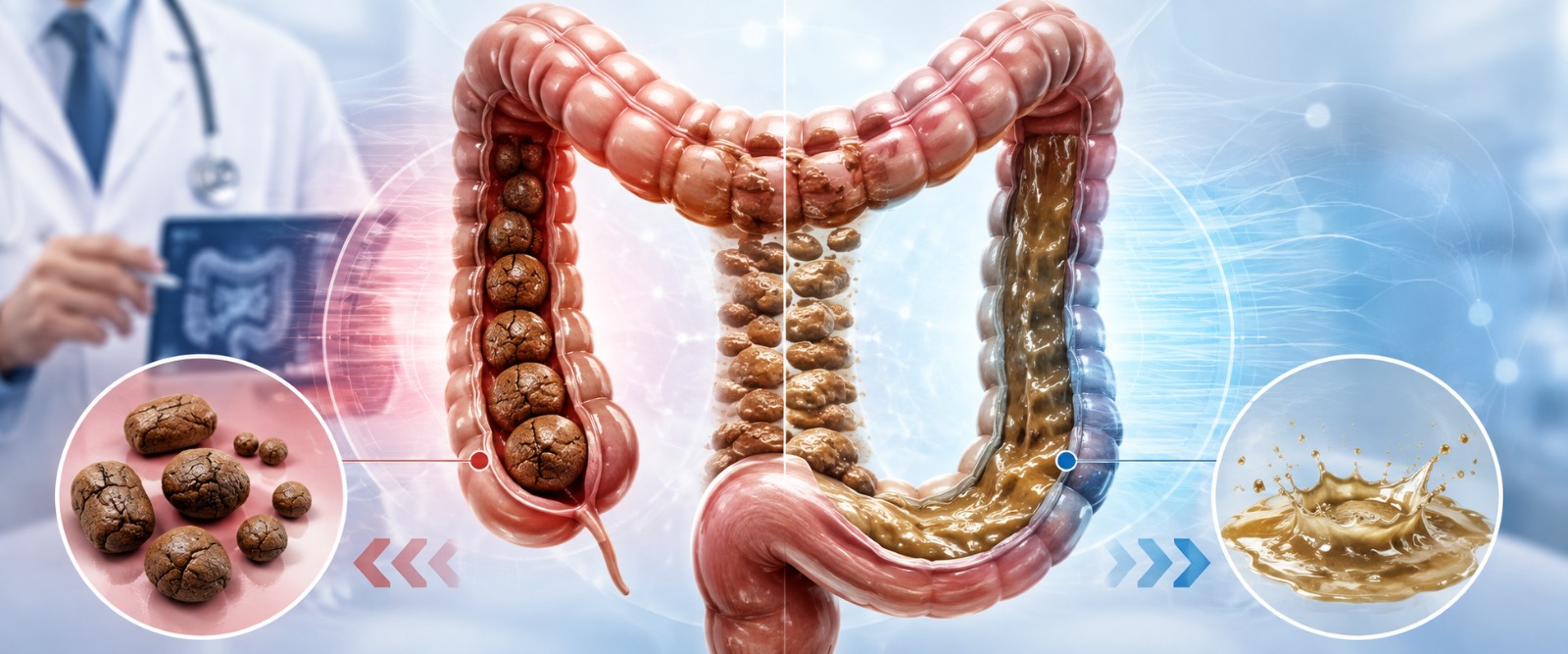
Waste arrives in the colon still watery from the small intestine. As it travels through, the colon wall steadily absorbs water from it — and how long that journey takes decides whether the result is too hard or too loose.
Slow transit through the colon. Bring a rough note of how long these have lasted and any tablets you have been taking — it shortens the diagnostic path considerably.
Fewer than three bowel movements in a week, or a clear drop from your usual pattern.
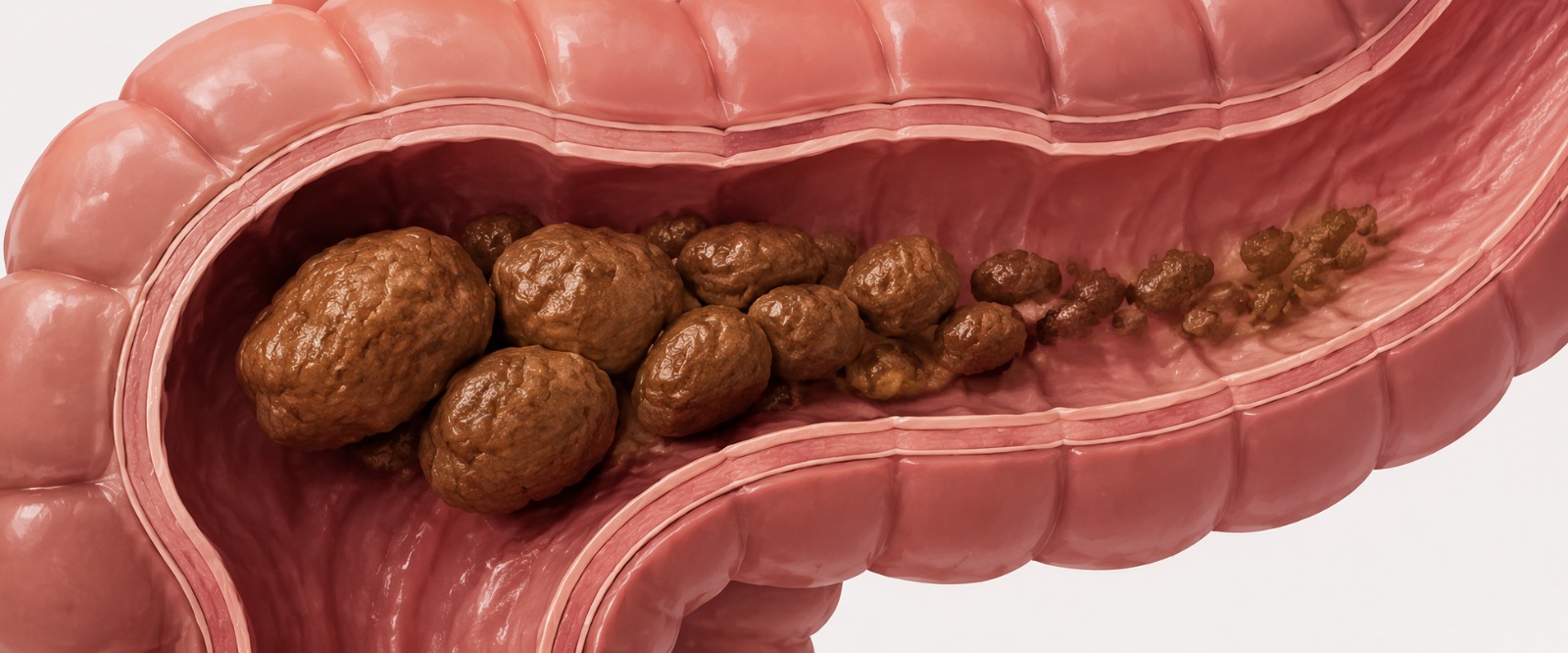
Lumpy or pellet-like stool that takes real effort to pass.

Prolonged pushing, or needing to press around the anus to get stool out.
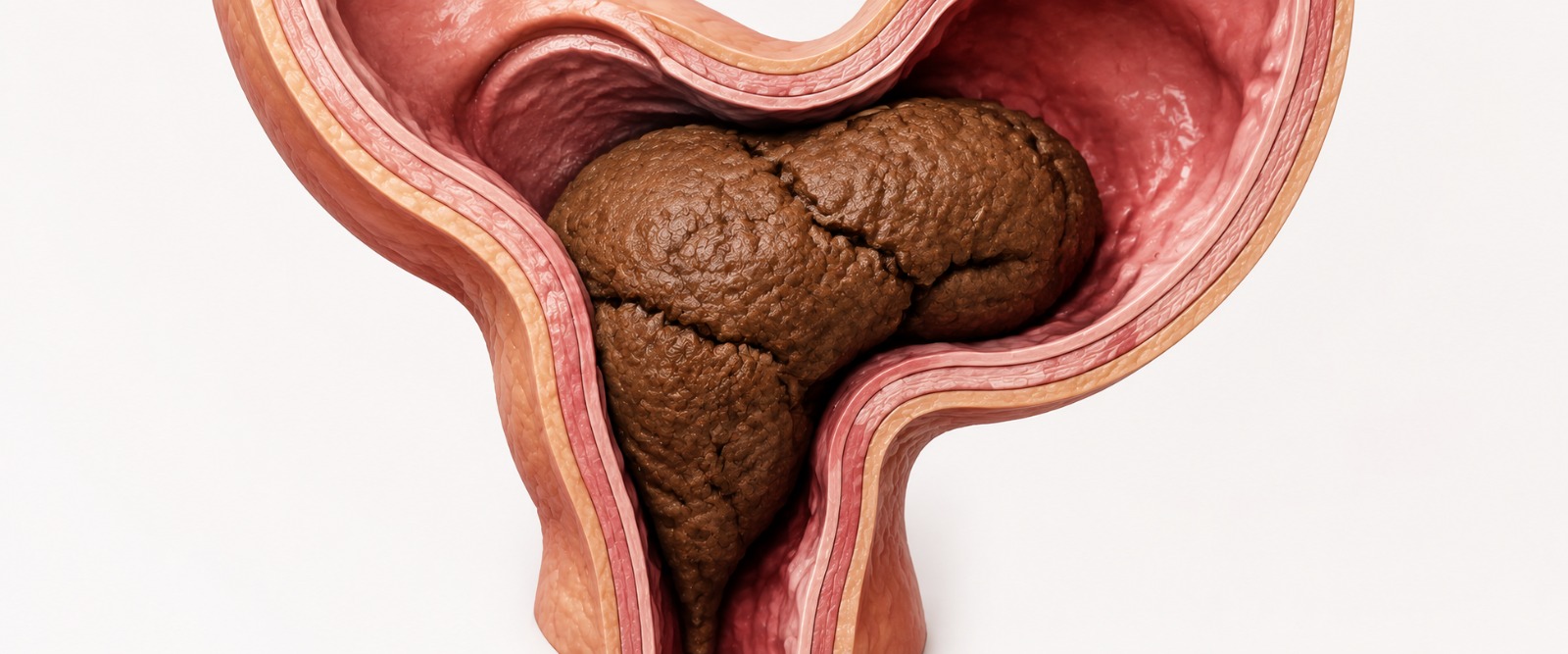
The urge to go, but stool that will not come out.
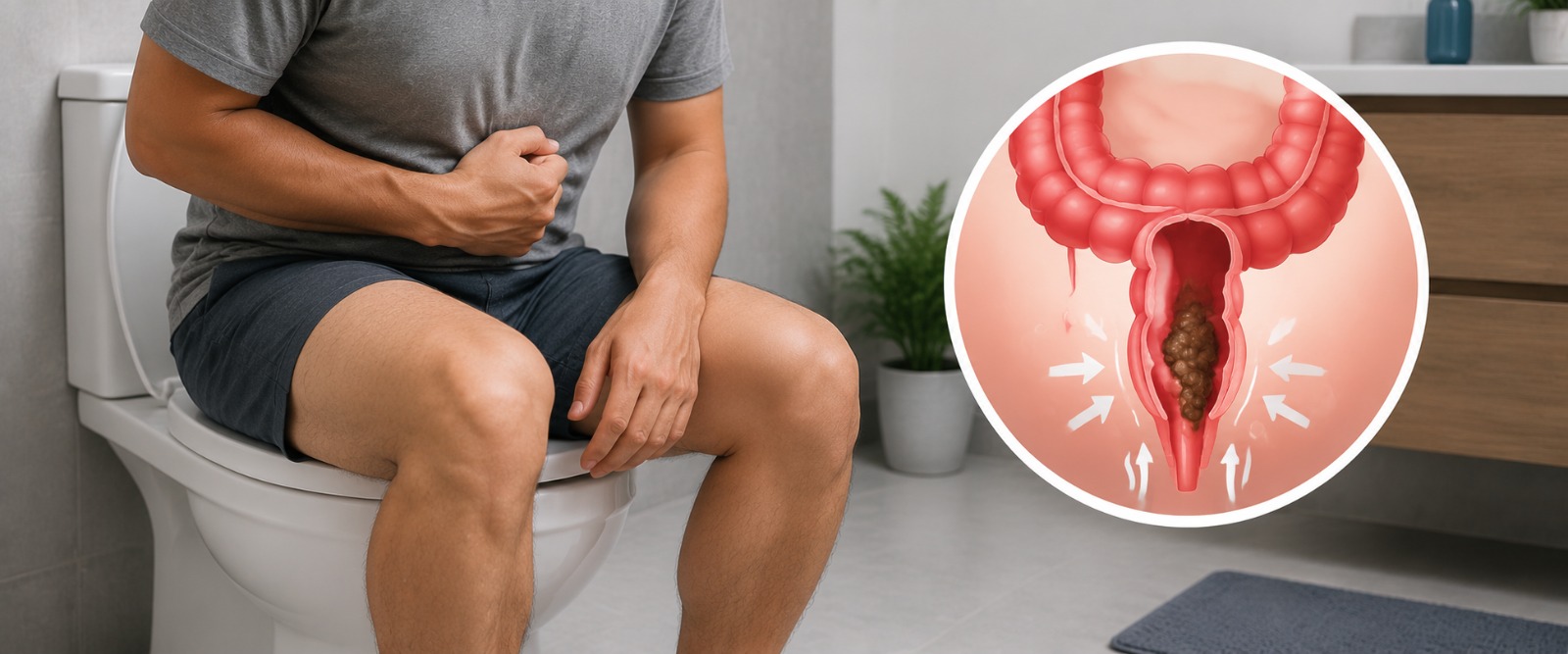
Finishing and still needing to go again soon after.
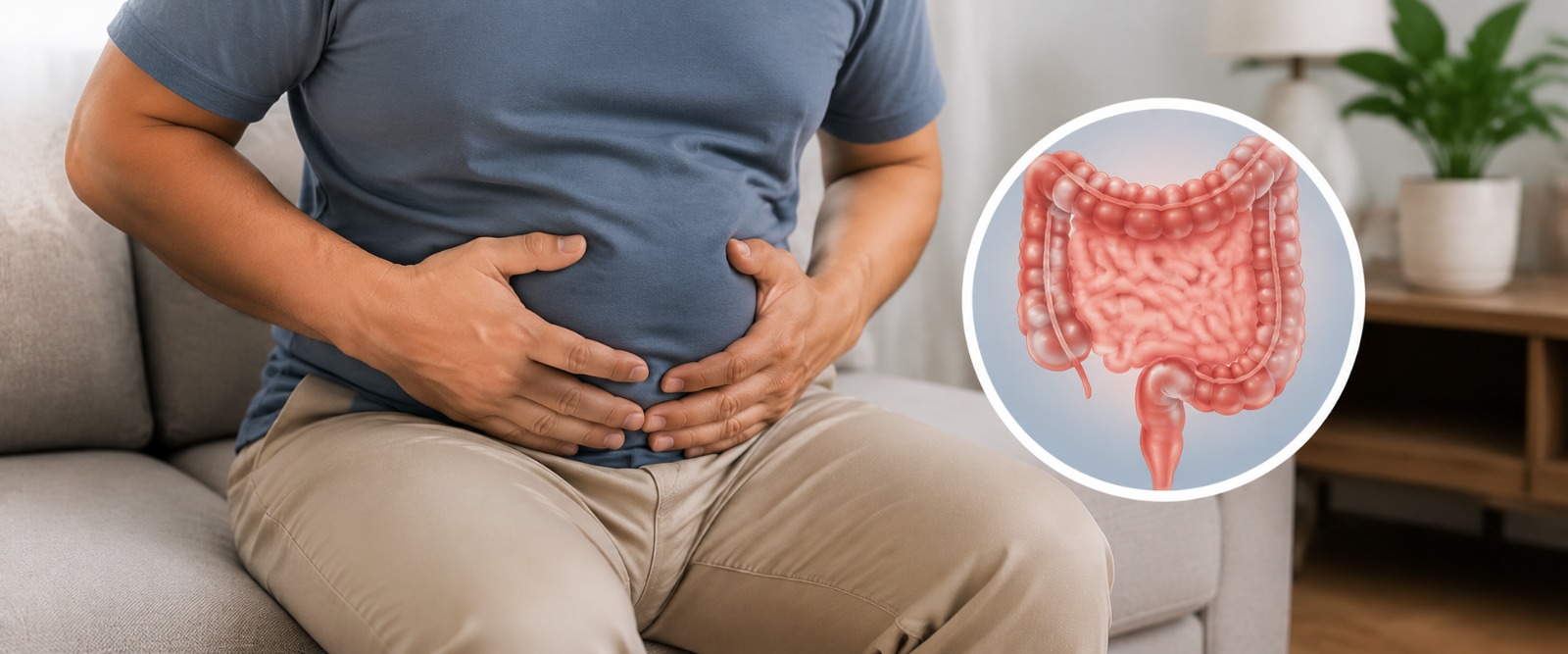
Lower abdominal fullness and excess wind between motions.
Fast transit through the colon. Note how many motions a day and the stool consistency — that is largely what separates a short infective episode from a chronic cause.
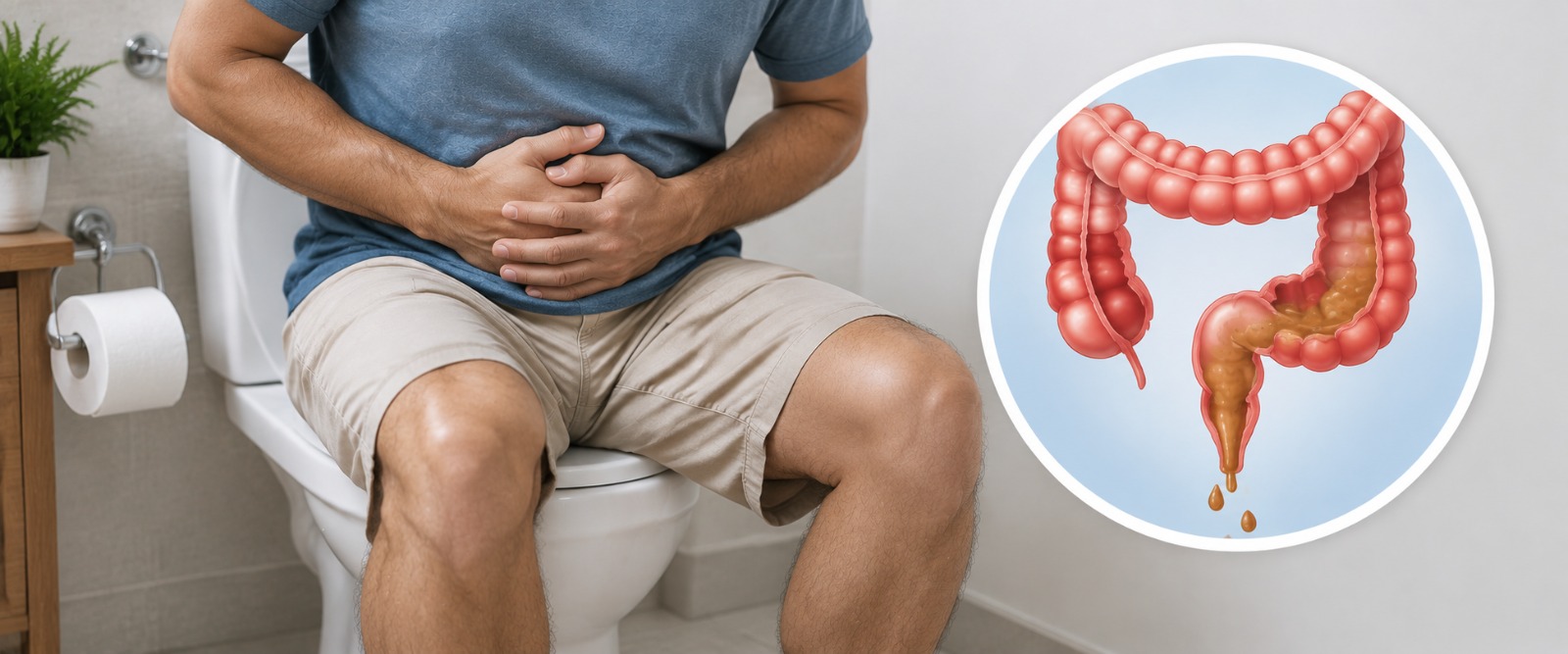
Three or more loose or watery motions in a day.
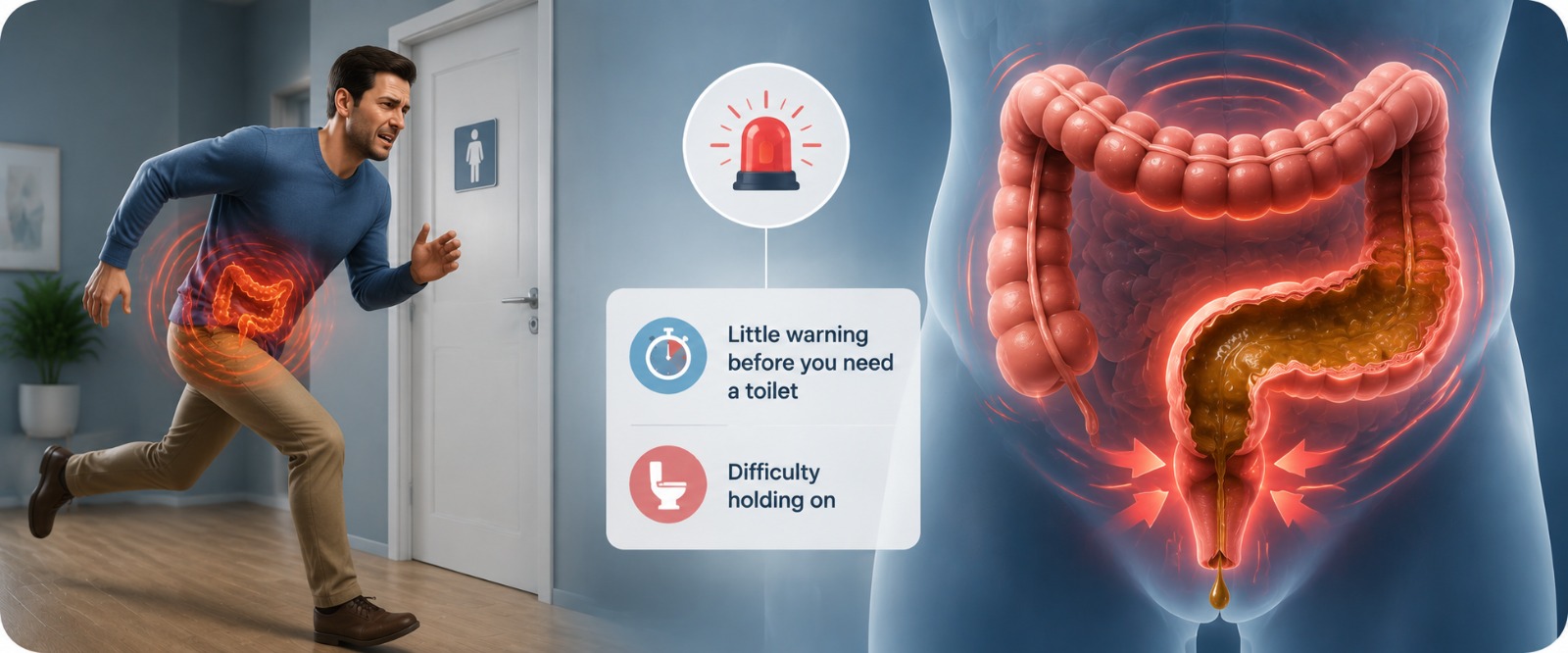
Little warning before you need a toilet, or difficulty holding on.
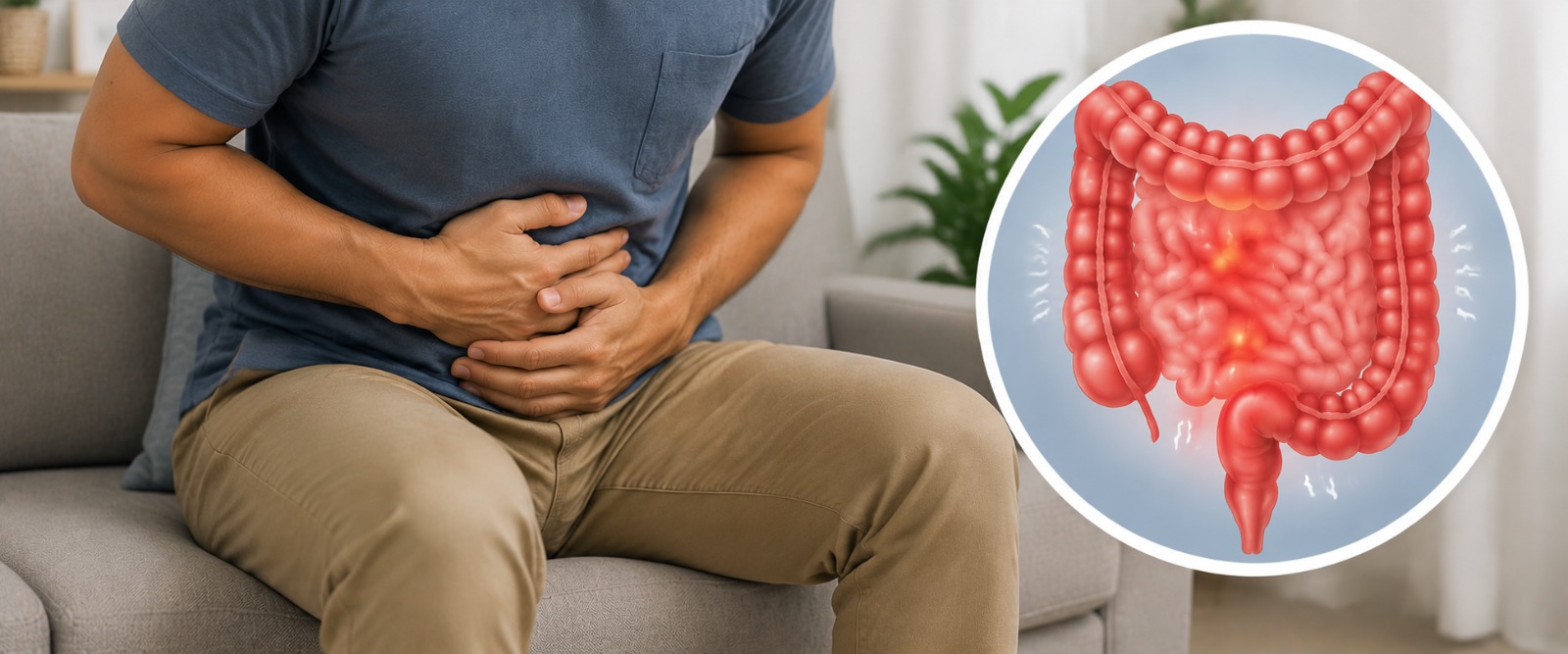
Abdominal cramps that ease once you have passed stool.
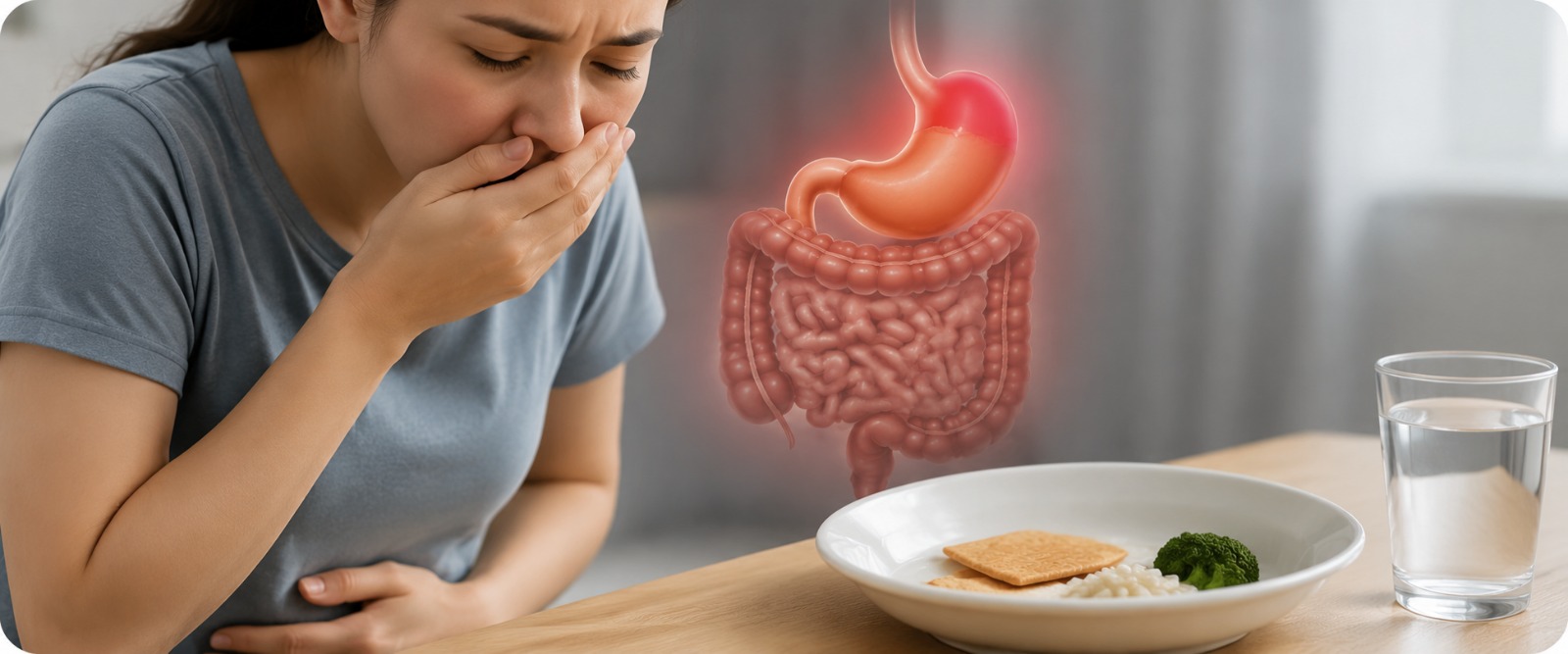
Sometimes with a low-grade fever alongside.

Dry mouth, reduced urine, or giddiness on standing up.
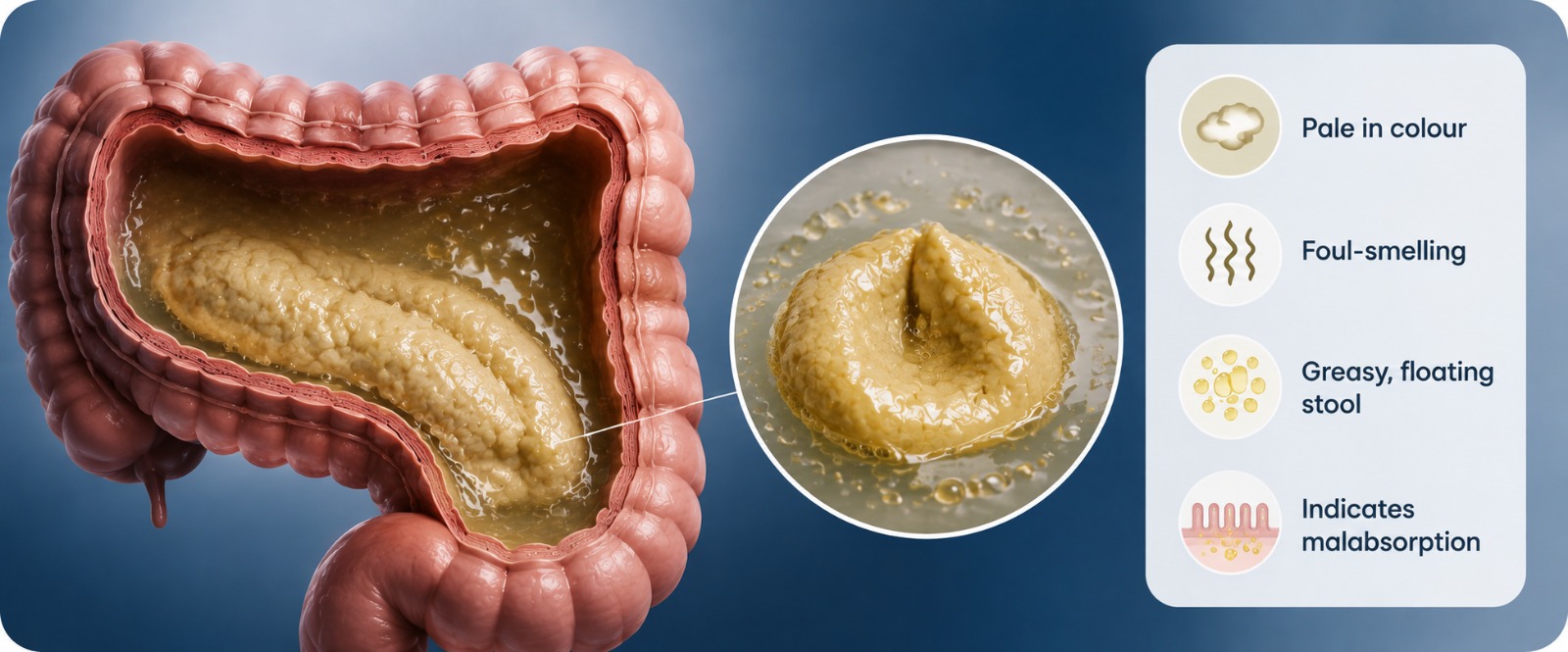
Pale and foul-smelling, which points towards malabsorption.
Most patients arrive having already named the problem. The label is wrong often enough that it delays the diagnosis by months — and these six are the ones we hear most.
Bloating, fullness or wind after meals
Usually IBS, constipation or reflux. Genuine excess gas on its own is uncommon
Any stool that is not formed
Under two weeks is usually infective. Past four weeks it is chronic diarrhoea and needs a different workup
Any blood noticed after passing stool
Often an anal fissure, sometimes a polyp or colitis. It cannot be assumed without an examination
Food not suiting you, general discomfort
Frequently lactose intolerance, coeliac disease or bacterial overgrowth — all of which are testable
Never feeling fully emptied
Often dyssynergic defecation, where the pelvic floor tightens instead of relaxing. Laxatives do not fix it
Any episode of loose motions
Most acute cases are viral. An antibiotic helps only where stool tests confirm bacteria
Treating the symptom alone is why so many patients relapse. These are the causes we work through during consultation.

Low fibre intake, skipped meals, refined carbohydrates, very low water intake through Hyderabad's summer, a high caffeine or alcohol load, and heavy outside food.

Iron and calcium supplements, opioid painkillers, antacids, antidepressants and blood pressure tablets constipate. Metformin, antibiotics and magnesium supplements loosen. We review your full list.

Hypothyroidism, thyrotoxicosis, diabetic autonomic neuropathy, low potassium, high calcium and pregnancy all change gut motility.
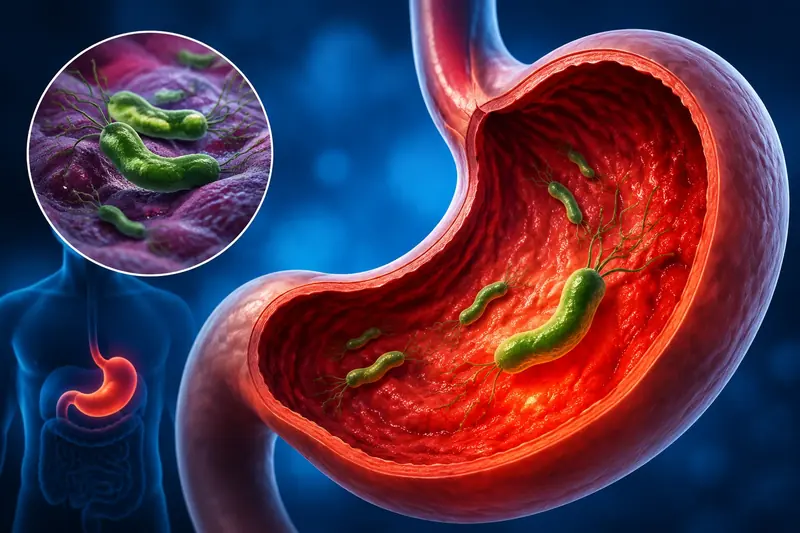
Bacterial gastroenteritis, amoebiasis, giardiasis, worm infestation and post-antibiotic C. difficile colitis — all common reasons for sudden or persistent loose motions.
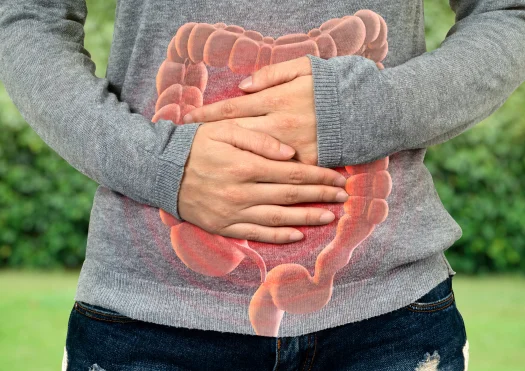
IBS, ulcerative colitis, Crohn's disease, coeliac disease, lactose intolerance, bile acid diarrhoea and small bowel bacterial overgrowth.
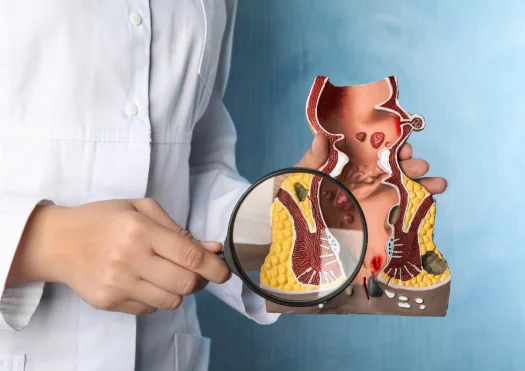
An anal fissure or piles making you avoid passing stool, pelvic floor dyssynergia, rectal prolapse, strictures and colon growths.
Not every patient needs every test. Dr. Viswanath Kamisetty works stepwise — each step decides whether the next one is needed.
Duration, stool form, urgency, night symptoms, diet, medications, travel, surgery and family history — along with an abdominal and per-rectal examination, which alone identifies fissures, piles, impacted stool and pelvic floor problems.
Haemogram for anaemia and infection, thyroid profile, blood sugar and HbA1c, electrolytes, calcium, CRP, and coeliac serology where malabsorption is suspected.
Routine and microscopic examination for parasites, ova and cysts, stool culture, occult blood, and faecal calprotectin to separate inflammatory bowel disease from IBS. This is the first step in almost every persistent diarrhoea case at our clinic in KPHB.
Abdominal ultrasound to assess bowel, liver and pelvic organs. CT or MR enterography is arranged when Crohn's disease, obstruction or a mass needs to be excluded.
A camera examination of the large bowel with biopsies — indicated for chronic diarrhoea, bleeding, anaemia, weight loss, a new change in bowel habit after 45, or a family history of colon cancer. It is a day-care procedure under sedation, and you go home the same day.
Anorectal manometry and balloon expulsion testing for patients whose main complaint is straining despite soft stool, and hydrogen breath testing for lactose intolerance or bacterial overgrowth.
What is actually available, and what each one is for. Most patients need only the first group — the rest exist for when that is not enough.

A graded increase to roughly 25–30 g of fibre a day with adequate water, raised slowly so it does not cause bloating.

A fixed, unhurried morning toilet time with the feet supported. Often enough on its own for a sluggish habit.

Substituting or re-timing the iron, calcium, painkillers or antidepressants that are causing it.

Lactulose or polyethylene glycol, given as a defined course with a plan to taper off rather than open-ended.
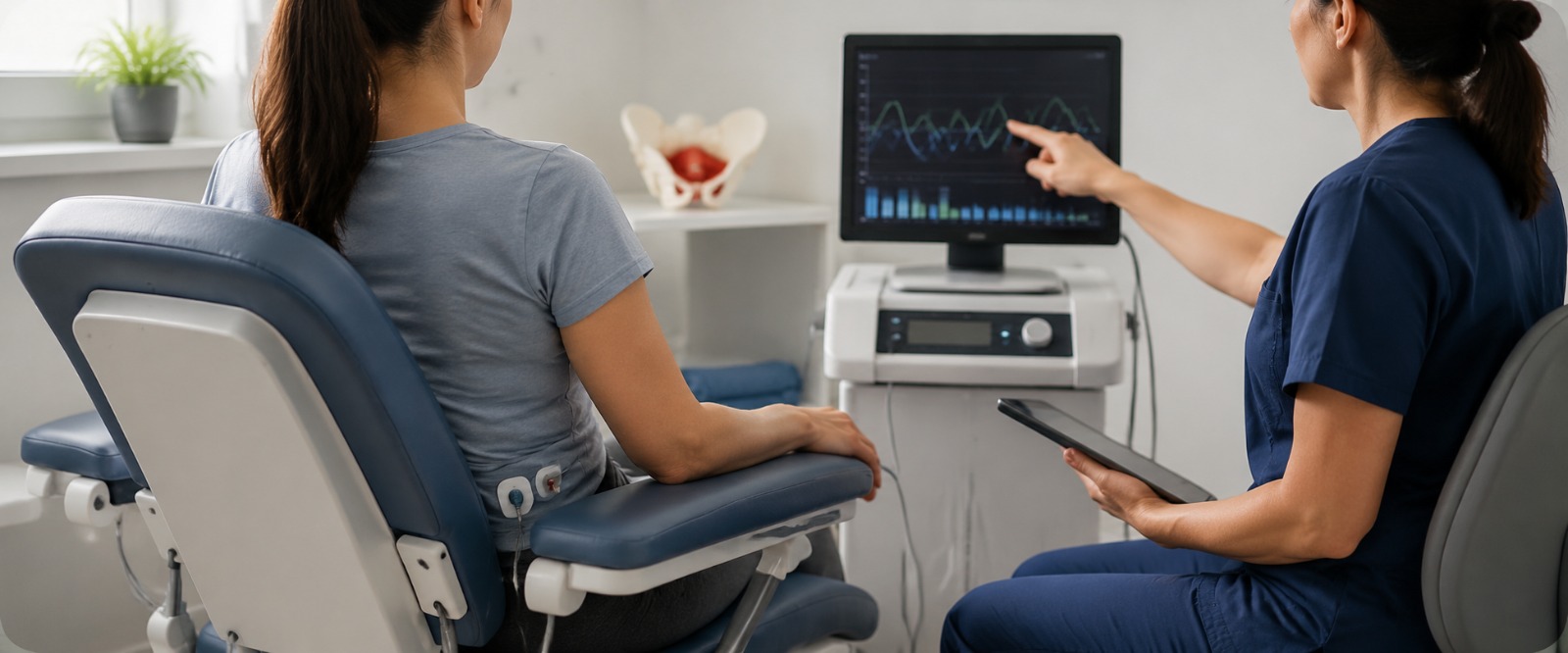
Retraining for dyssynergic defecation, where the muscles tighten instead of relaxing. Laxatives cannot fix this.
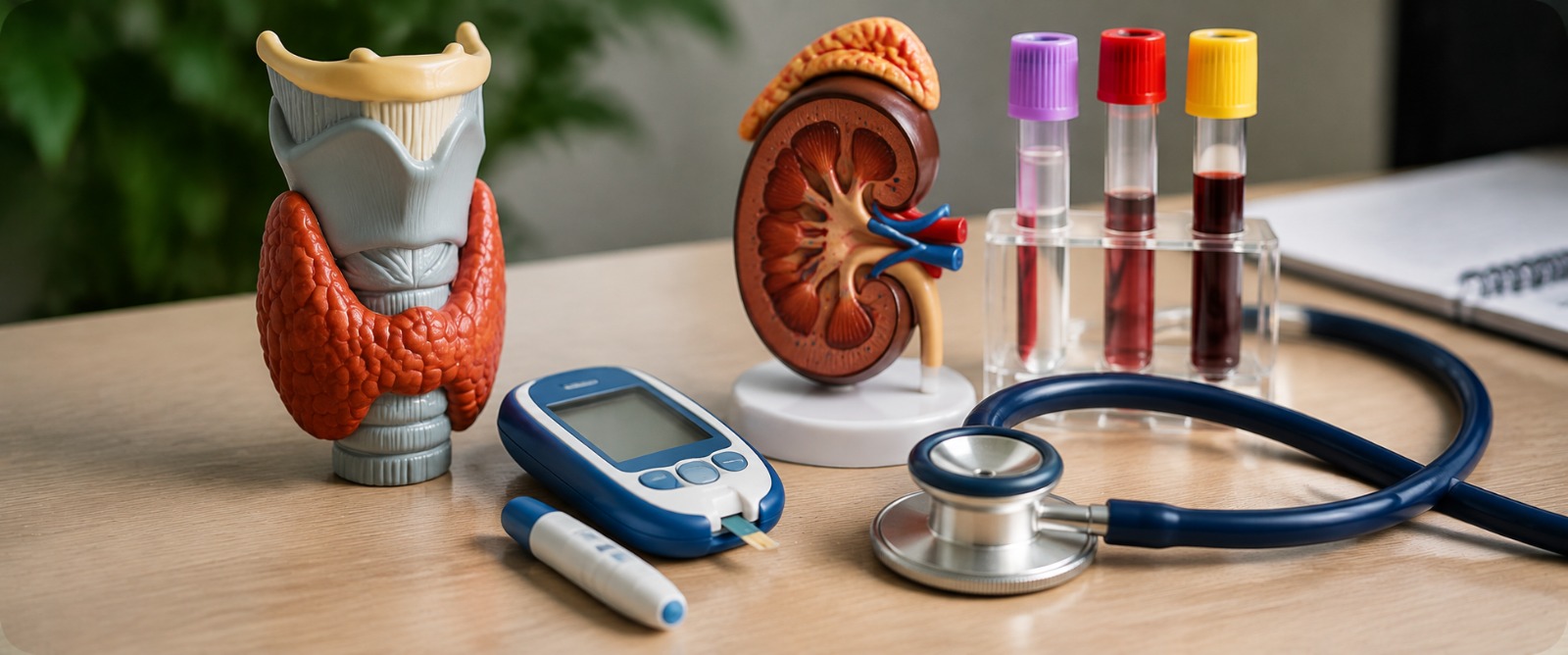
Correcting hypothyroidism, uncontrolled diabetes, low potassium or high calcium often settles the constipation itself.
Which of these applies depends entirely on what the stool tests and the history show. Nothing here — an antibiotic least of all — is given without a reason to.
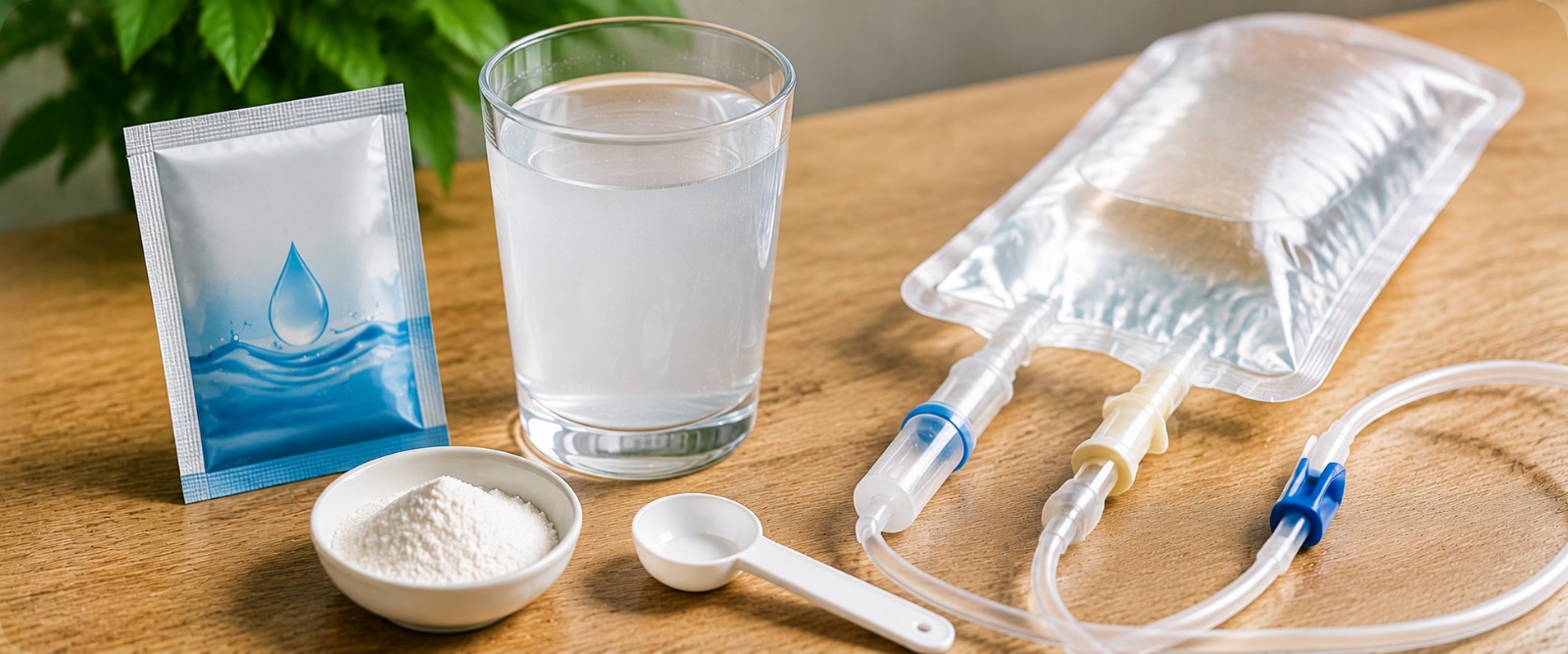
ORS in the correct dilution, sipped steadily. IV fluids at the clinic if you cannot keep liquids down.
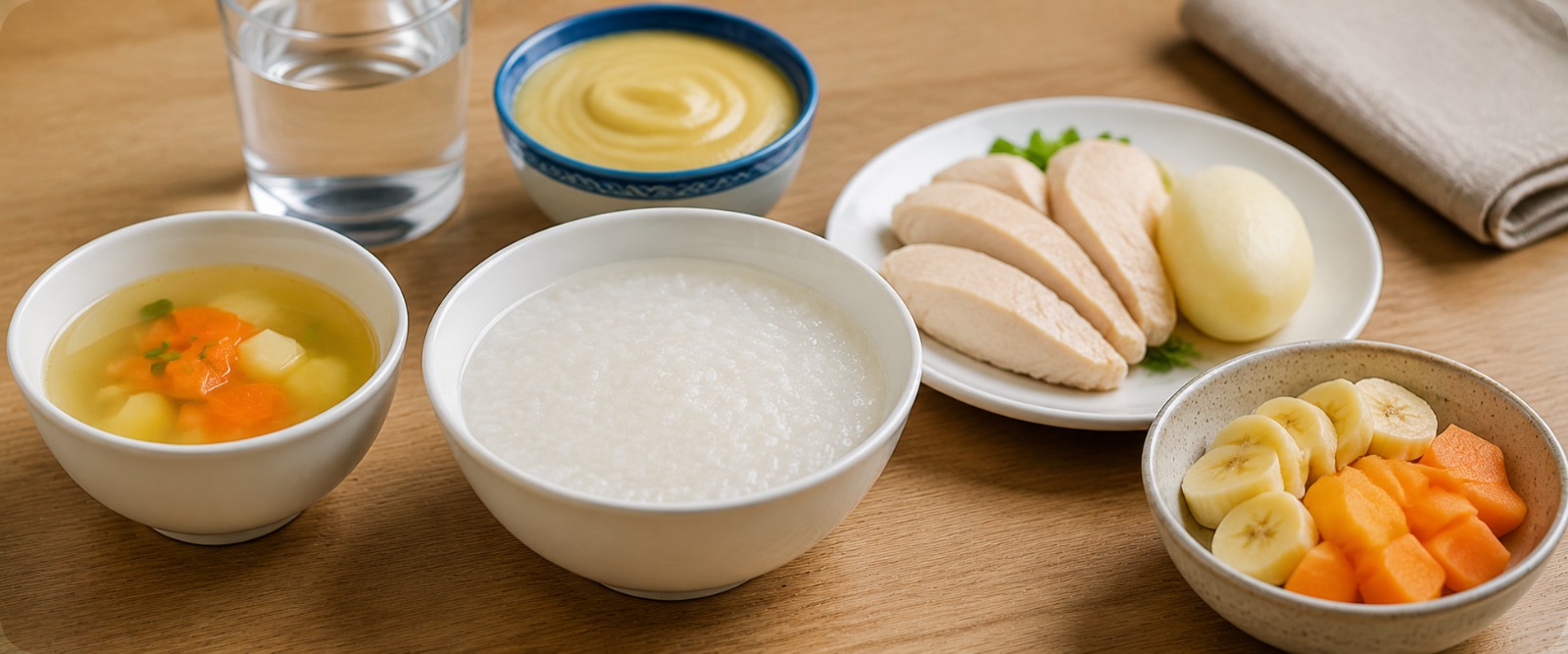
Bland, low-residue food while symptoms settle, then a structured reintroduction rather than permanent restriction.
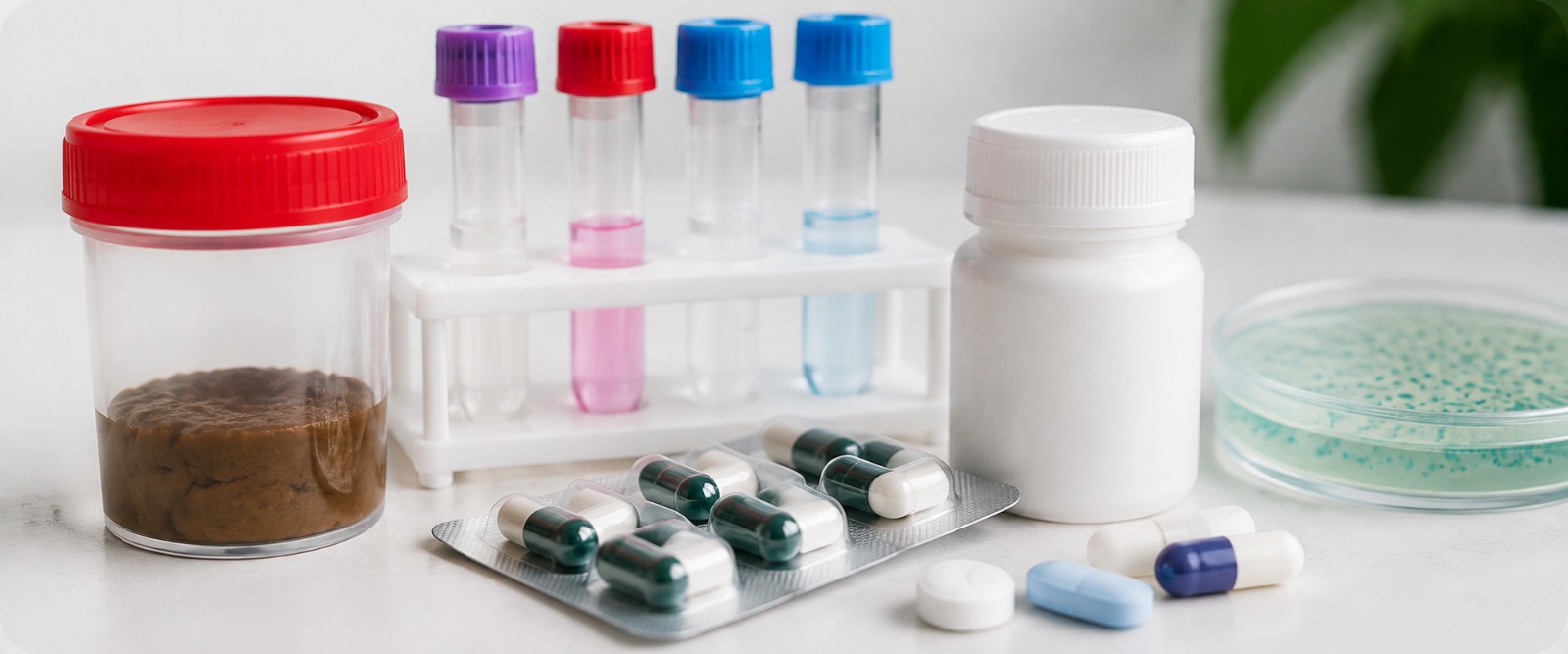
Only where stool tests or the clinical picture confirm bacterial or parasitic infection. Not given empirically.
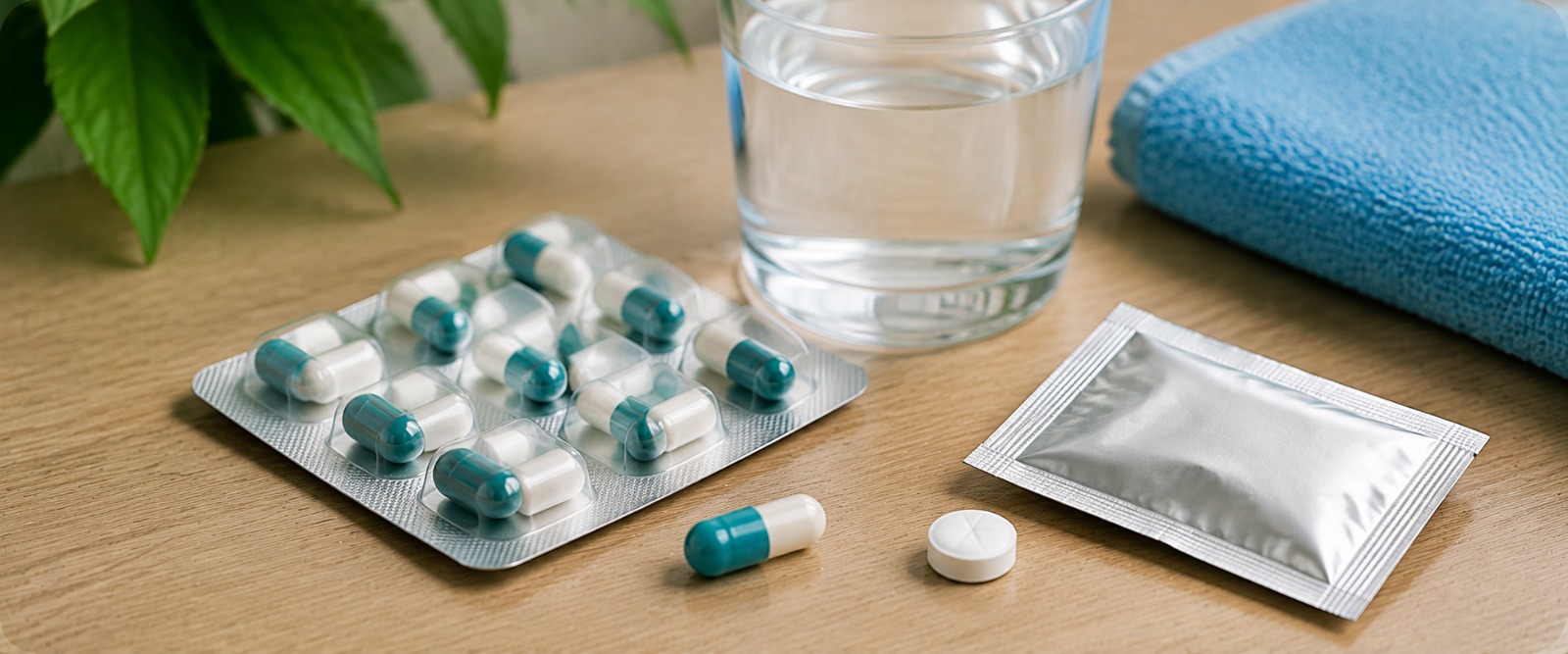
Used selectively for symptom control, and avoided altogether in bloody or febrile diarrhoea.

A structured withdrawal of lactose, sorbitol, fructose or gluten where breath testing or serology supports it.
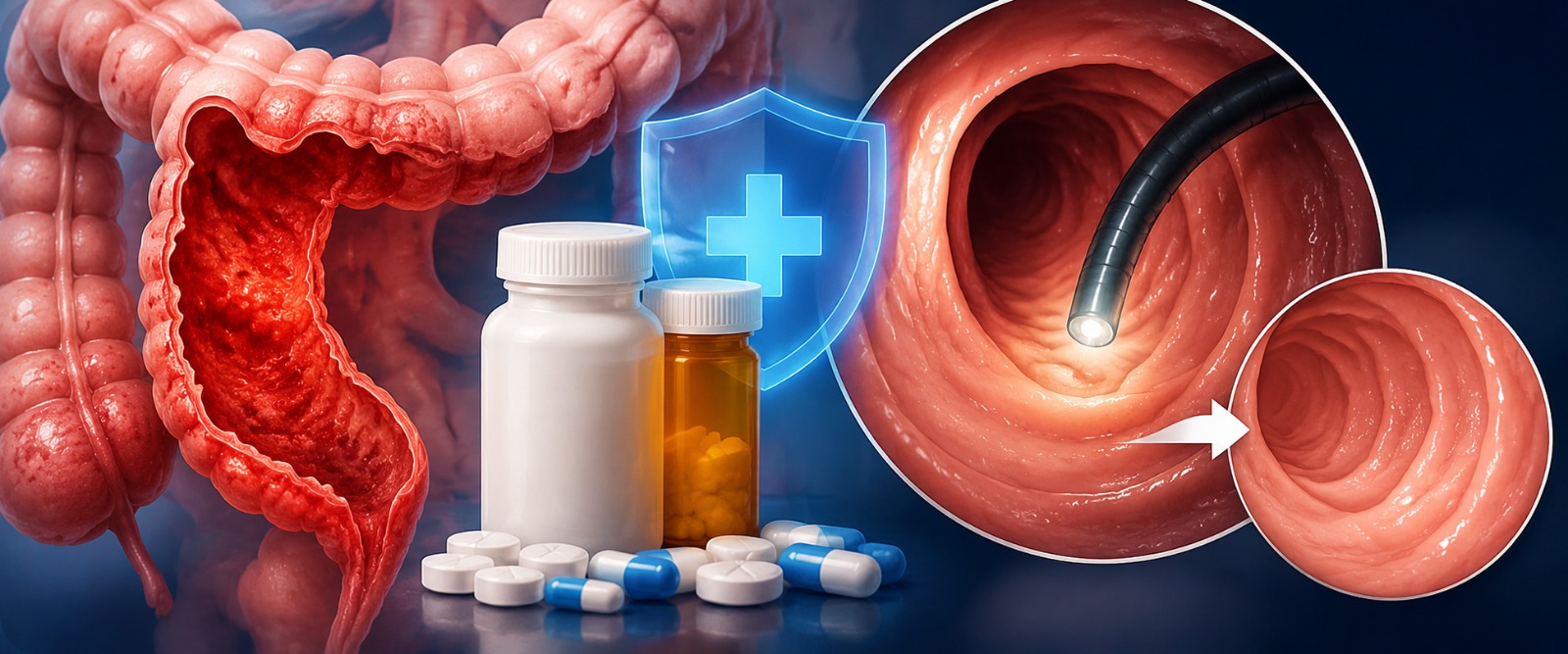
Anti-inflammatory treatment for ulcerative colitis or Crohn's, with colonoscopic follow-up to confirm healing.
Chronic bowel symptoms get dismissed easily — as "gas trouble", as stress, as something to manage with a sachet. The result is patients on laxatives for years, or repeated antibiotic courses for diarrhoea that was never infective to begin with.
A single DM-qualified gastroenterologist reviews your history, examines you and interprets your reports — no handing off between departments, and no repeating your story at every visit.
Diagnostics are ordered because the history points to them. You are not billed for a panel of tests you do not need, and you get an honest answer when the answer is that no test is required.
Endoscopy and colonoscopy are performed at the clinic in KPHB Colony as day-care procedures under sedation. No referral chain, and no second appointment across the city.
Written diet and medication plans with a defined duration — and where laxatives are involved, a taper schedule rather than an open-ended prescription. Follow-up over WhatsApp for report queries and dose adjustments.
You do not need a referral to be seen at our KPHB Colony clinic, and you do not need to wait until symptoms are severe.
Your evaluation, endoscopy and follow-up are all handled by the same DM-qualified gastroenterologist.

Consultant Gastroenterologist & Liver Specialist, Advanced Interventional Endoscopist — Gokul Gastro & Liver Care, KPHB · Medicover Hospitals, Financial District.
Send us a message with how long the symptoms have lasted and we will suggest the earliest suitable slot. Reports can be shared over WhatsApp before you come in.
"Permanent" is the wrong frame for most cases, and any clinic promising it is overselling. What is achievable is lasting control: identify the cause — low fibre, a constipating medication, hypothyroidism, or pelvic floor dyssynergia — correct it, retrain bowel habit, and taper off laxatives.
Where the cause is a treatable medical condition or a medication, results can be permanent. Where it is functional, most patients stay comfortable on diet and routine alone, with medication only occasionally.
The commonest reason is IBS with mixed bowel habit, where gut motility swings between too slow and too fast, usually with bloating and cramps in between. Long-term stimulant laxative use produces the same pattern — a hard, blocked few days followed by a loose day.
Less commonly, stool building up behind a partial narrowing leaks past as watery motions, which is why an alternating pattern that is new, or comes with bleeding or weight loss, needs a colonoscopy rather than reassurance.
In an adult, loose motions continuing beyond three days should be assessed. See a doctor sooner — the same day — if there is blood in the stool, fever above 101°F, persistent vomiting, severe abdominal pain, or signs of dehydration such as very little urine, dry mouth or giddiness. For infants, elderly patients and anyone with diabetes or kidney disease, the threshold is lower still.
Most often it is a mechanical cause — an anal fissure or internal piles from straining, which typically gives bright red blood on the tissue or on top of the stool, with pain during or after passing motion. But blood is never a symptom to assume the benign cause of.
Dark or mixed-in blood, blood with weight loss or anaemia, or any bleeding after 45 needs a colonoscopy to exclude polyps, colitis and colon cancer. We evaluate blood in motions at the KPHB clinic the same week.
Not routinely. It is recommended when there is bleeding, anaemia, unintended weight loss, chronic diarrhoea beyond four weeks, a new change in bowel habit after age 45, a family history of colon cancer or IBD, or when a stool calprotectin test suggests inflammation.
It is a day-care procedure under sedation and takes about 20–30 minutes, with discharge the same day after a bowel preparation the night before.
A gastroenterologist — a doctor with a DM or DNB in gastroenterology, which is superspecialty training beyond general medicine. At Gokul Gastro & Liver Care in KPHB Colony, Kukatpally, Dr. Viswanath Kamisetty (MBBS, MD, DM Medical Gastroenterology) treats chronic constipation, chronic diarrhoea, IBS and IBD, and performs colonoscopy in-house. The clinic can be reached on 90000 20315 or on WhatsApp.