Subtotal $0.00

Chest burning (heartburn)
A hot, burning feeling behind the breastbone, usually 30–60 minutes after eating, and worse on lying down or bending forward.

Subscribe to out newsletter today to receive latest news administrate cost effective for tactical data.



Burning in the chest after meals, a sour taste rising into the throat, or a cough that will not settle at night — these are the everyday signs of acid reflux. Gokul Gastro & Liver Care offers acid reflux treatment in KPHB Colony, Kukatpally, with endoscopy and pH testing to find the cause, so the symptoms stop coming back instead of being covered up.
Mon – Sat 10:00 AM – 9:00 PM · Sunday 10:00 AM – 1:00 PM
Between your food pipe and your stomach sits a ring of muscle called the lower oesophageal sphincter. It is meant to open when you swallow and stay shut the rest of the time. When it loosens or opens at the wrong moment, acid from the stomach travels upward and irritates the lining of the food pipe. Everyone gets this occasionally. It becomes gastro-oesophageal reflux disease (GERD) when it happens repeatedly — typically twice a week or more — or when it starts to damage the lining.
That distinction matters, because untreated long-term reflux can lead to narrowing of the food pipe, ulcers in the oesophagus, and a cell change called Barrett's oesophagus that needs monitoring. Acid reflux treatment in KPHB at our clinic begins with identifying whether the valve is weak, whether a hiatus hernia is present, and whether the food pipe has already been damaged — before any medication is prescribed.
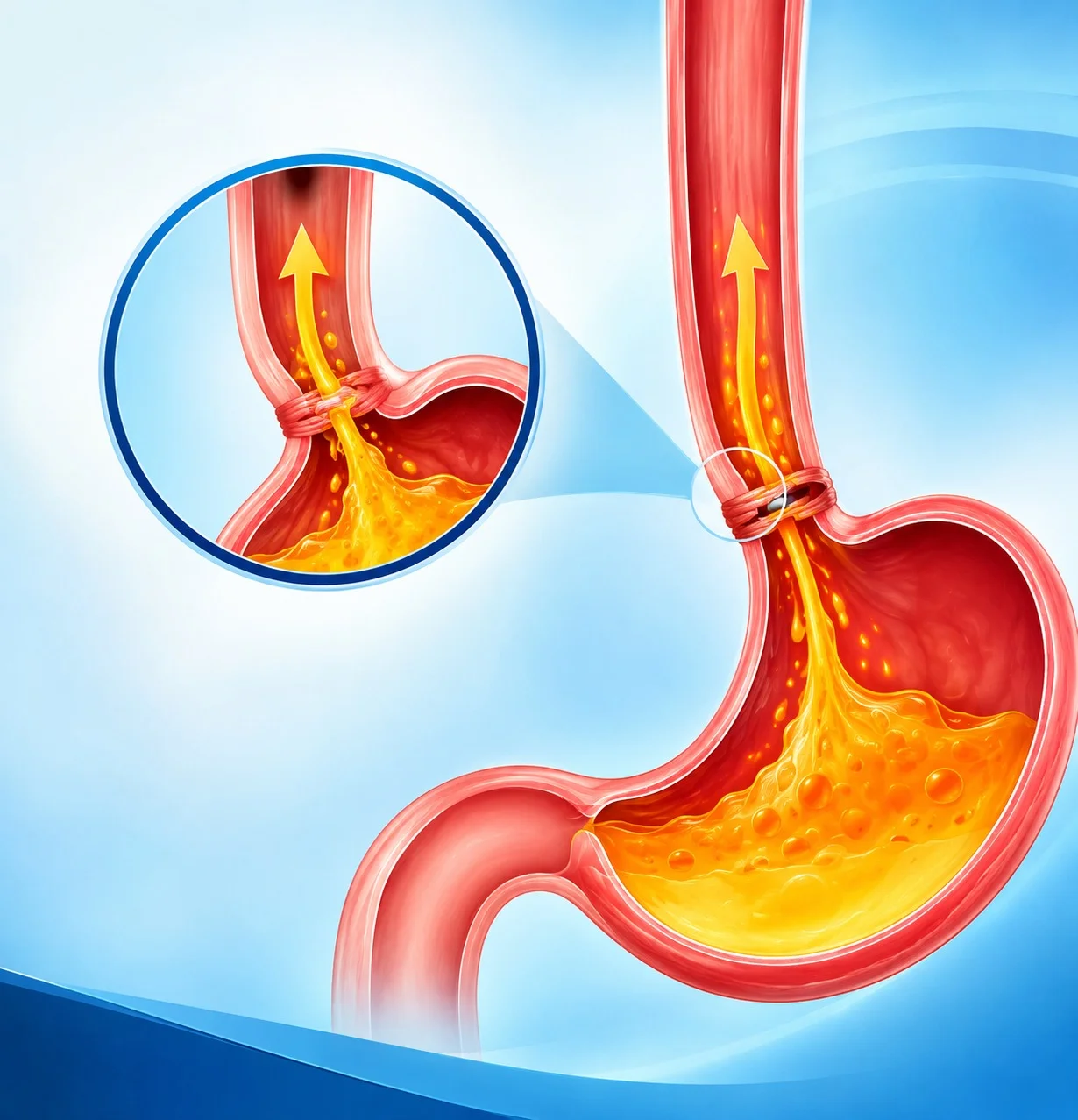
Heartburn is the sign most people recognise. Reflux also shows up in the throat, chest and airway, which is why it is often mistaken for a cold, asthma or a heart problem.
A hot, burning feeling behind the breastbone, usually 30–60 minutes after eating, and worse on lying down or bending forward.

Sour or bitter liquid, or undigested food, rising into the throat or mouth without any effort or vomiting.
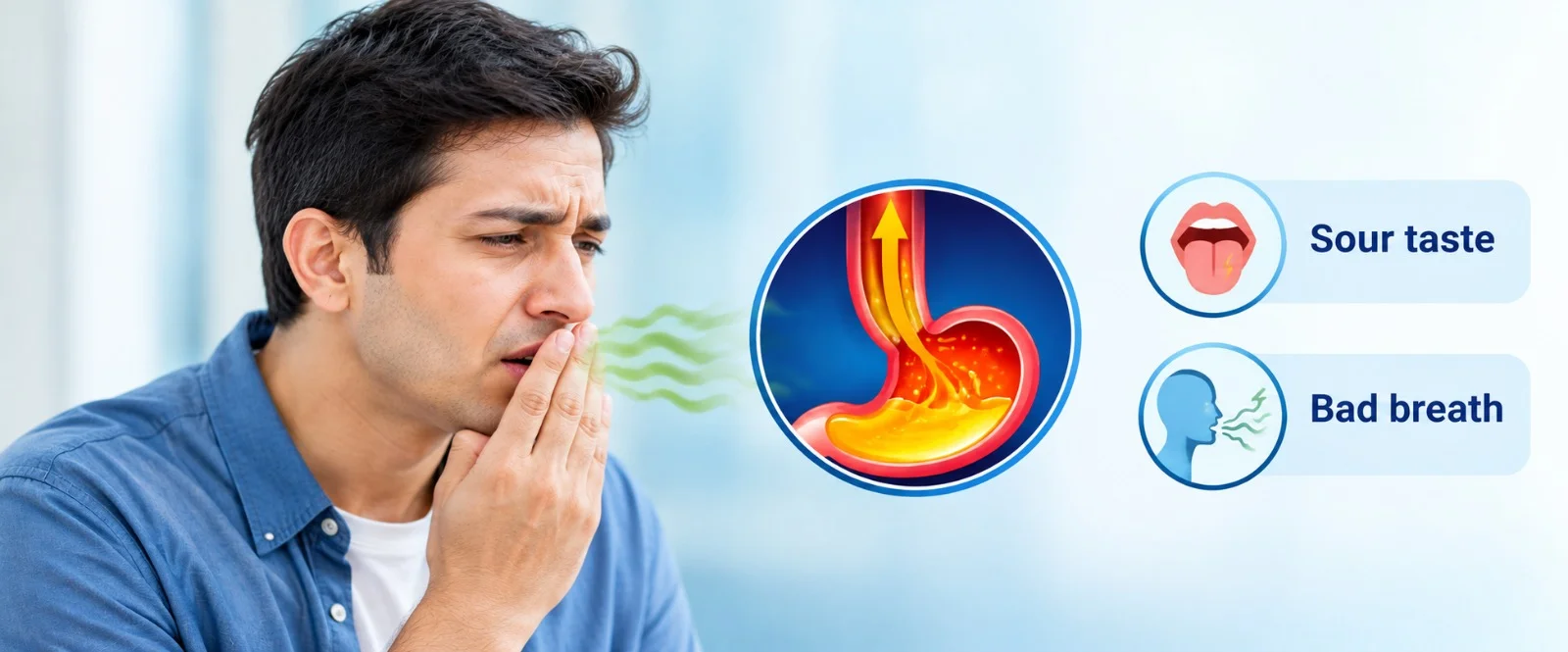
A persistent acidic taste, often first thing in the morning, sometimes with bad breath that brushing does not fix.
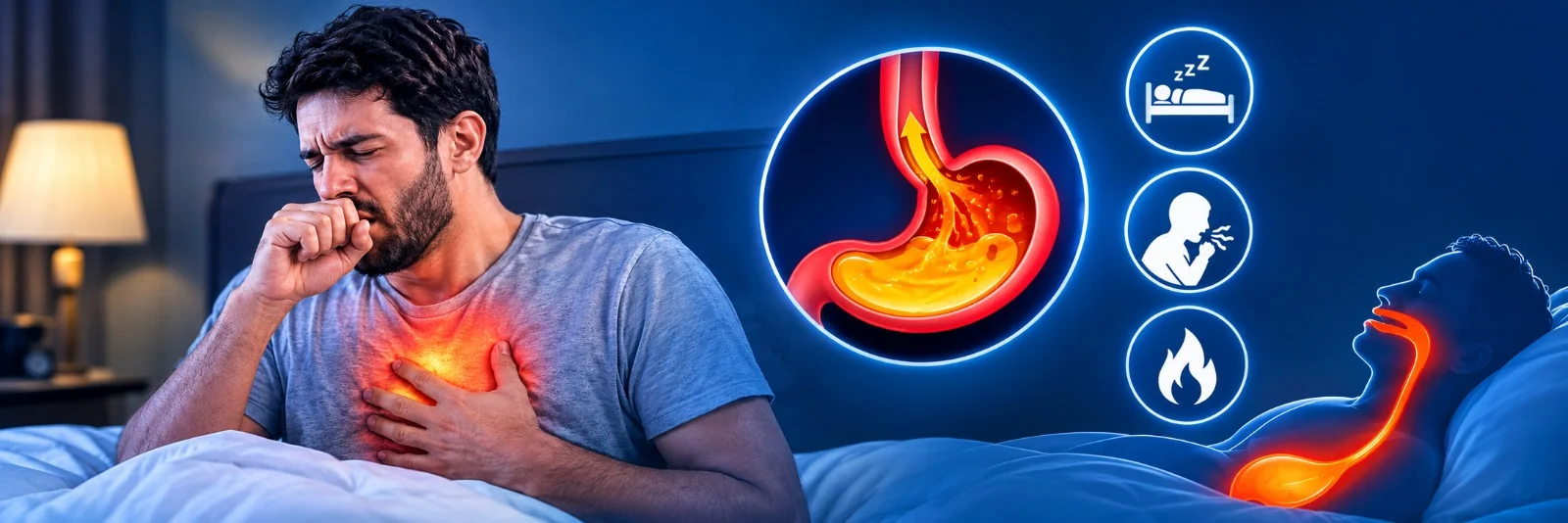
Waking with a burning chest, coughing or choking a few hours after dinner. Lying flat removes gravity's help.
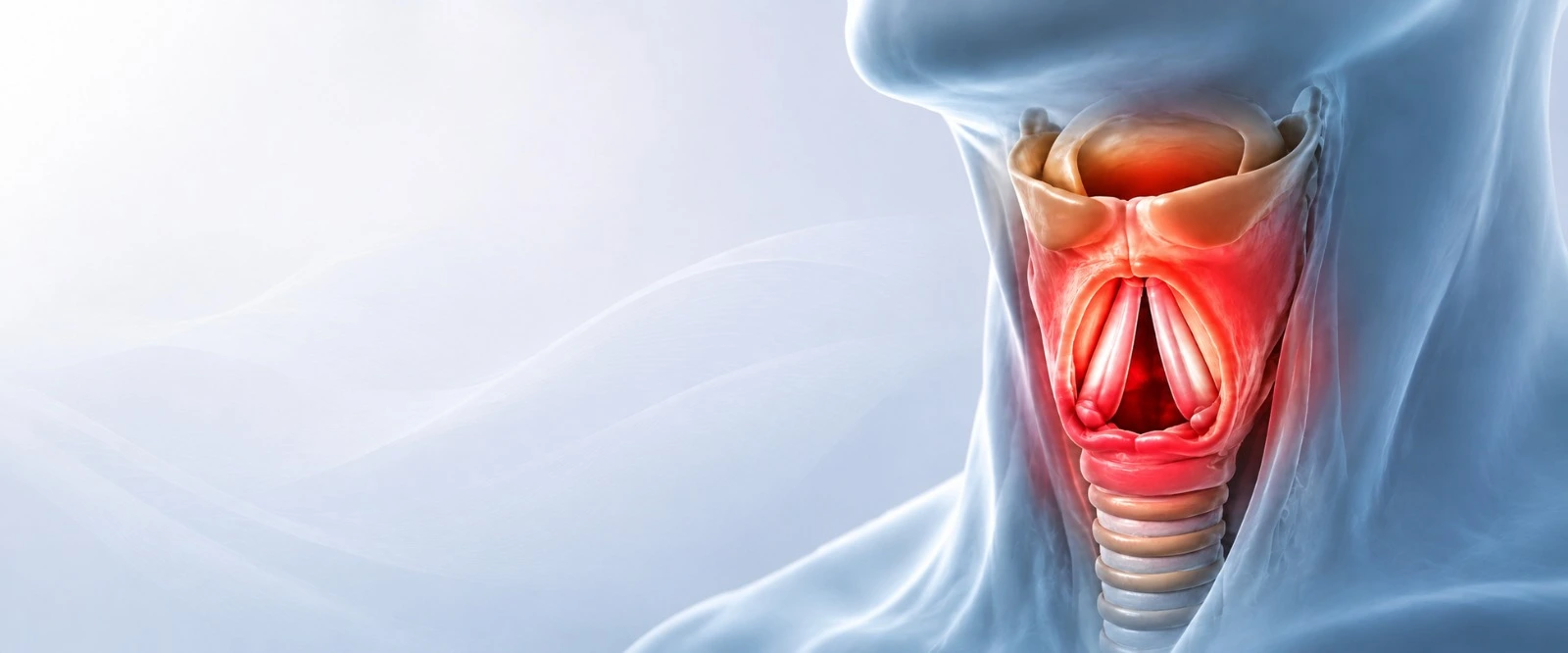
A rough voice, repeated throat clearing, or a lump-in-the-throat sensation that keeps returning.
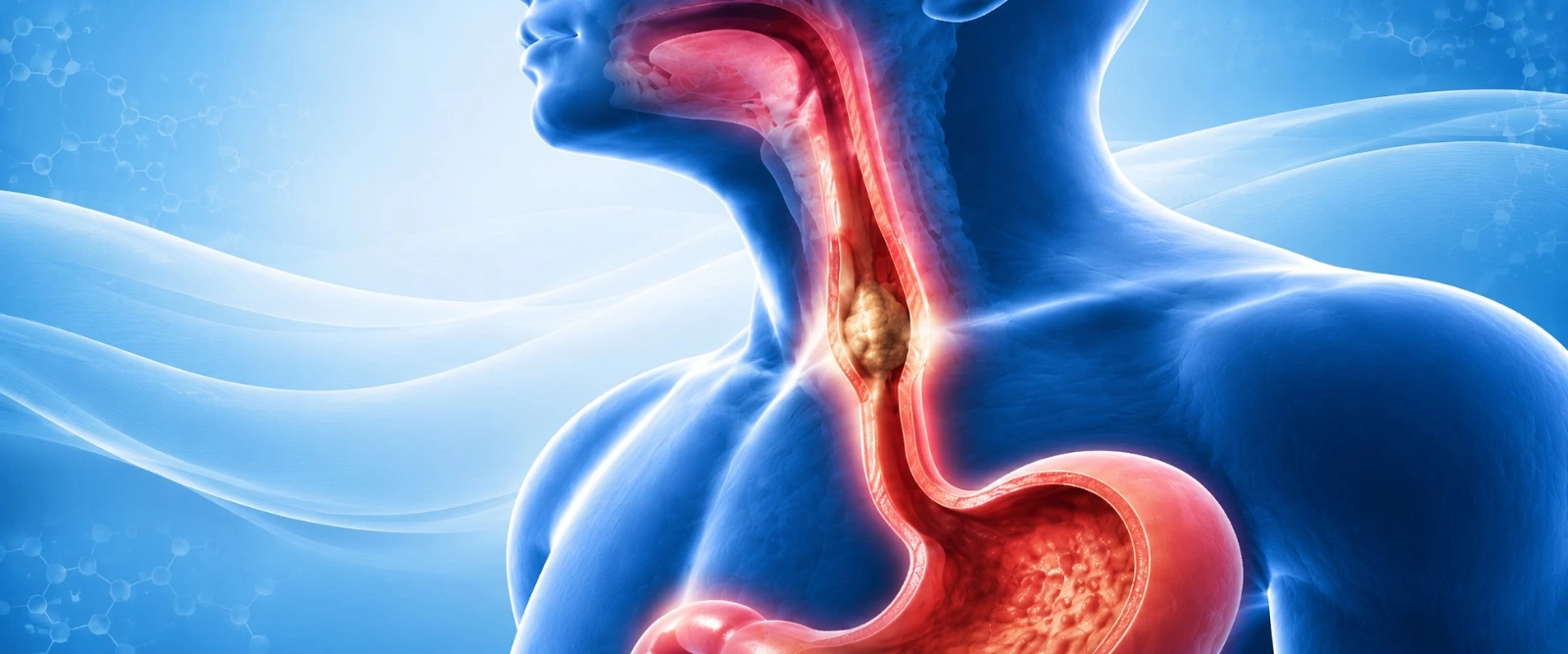
Food feeling slow or stuck. This can indicate narrowing of the food pipe and needs prompt endoscopy.
It helps to separate the underlying reasons the valve fails from the day-to-day habits that set off an episode.
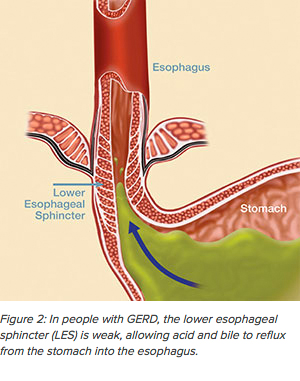
The lower oesophageal sphincter is the central problem in most cases. When it does not seal tightly, acid escapes upward into the food pipe.
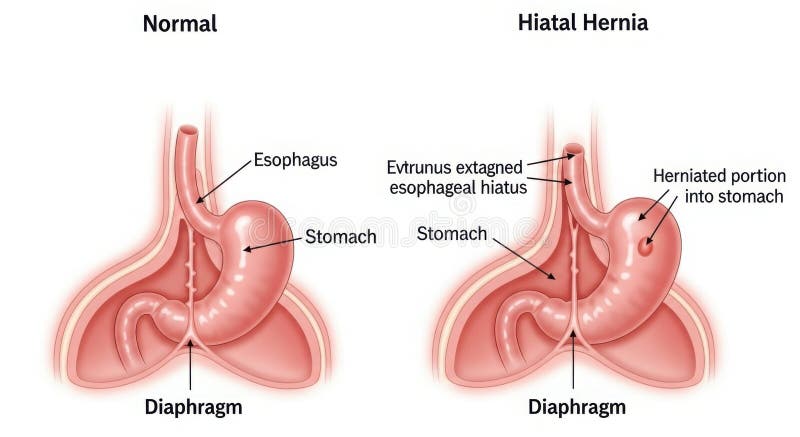
Part of the stomach pushing up through the diaphragm weakens the valve's support. Common and detectable on endoscopy.
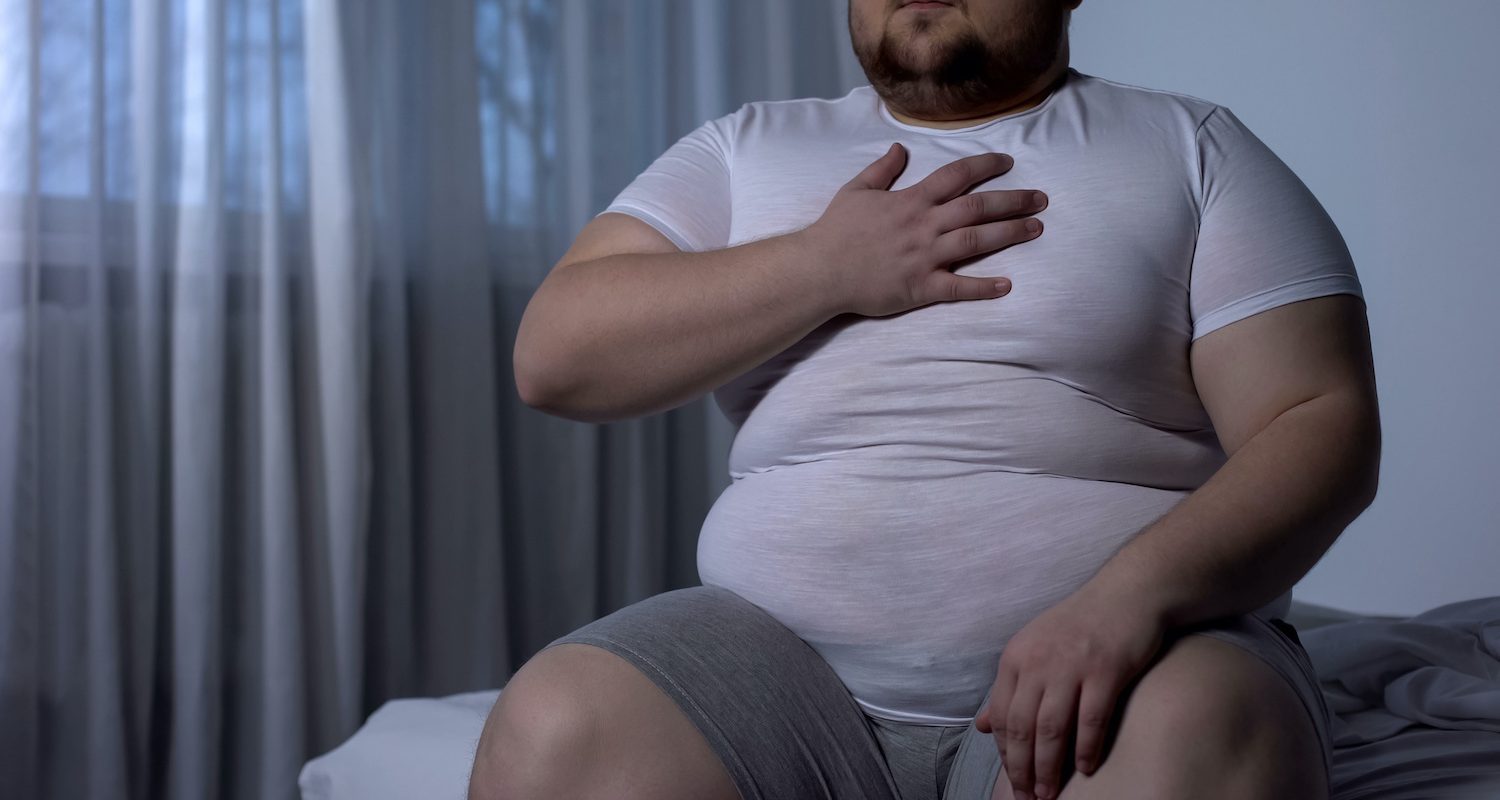
Pressure from weight around the middle pushes stomach contents upward. Even a modest reduction often brings significant relief.
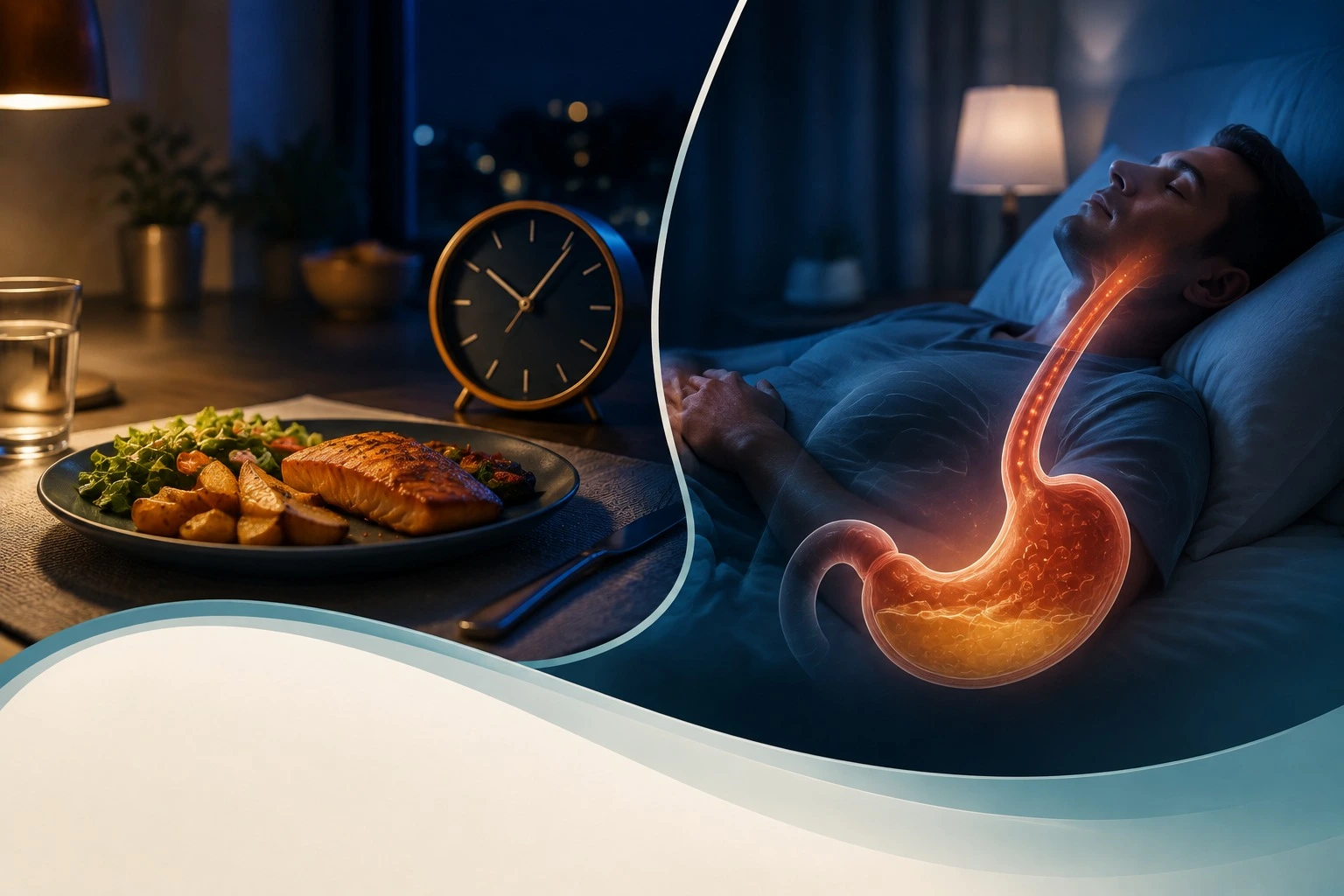
Eating within two to three hours of bedtime, or taking an afternoon nap after a heavy lunch, is a common trigger in working patients across Kukatpally and KPHB.
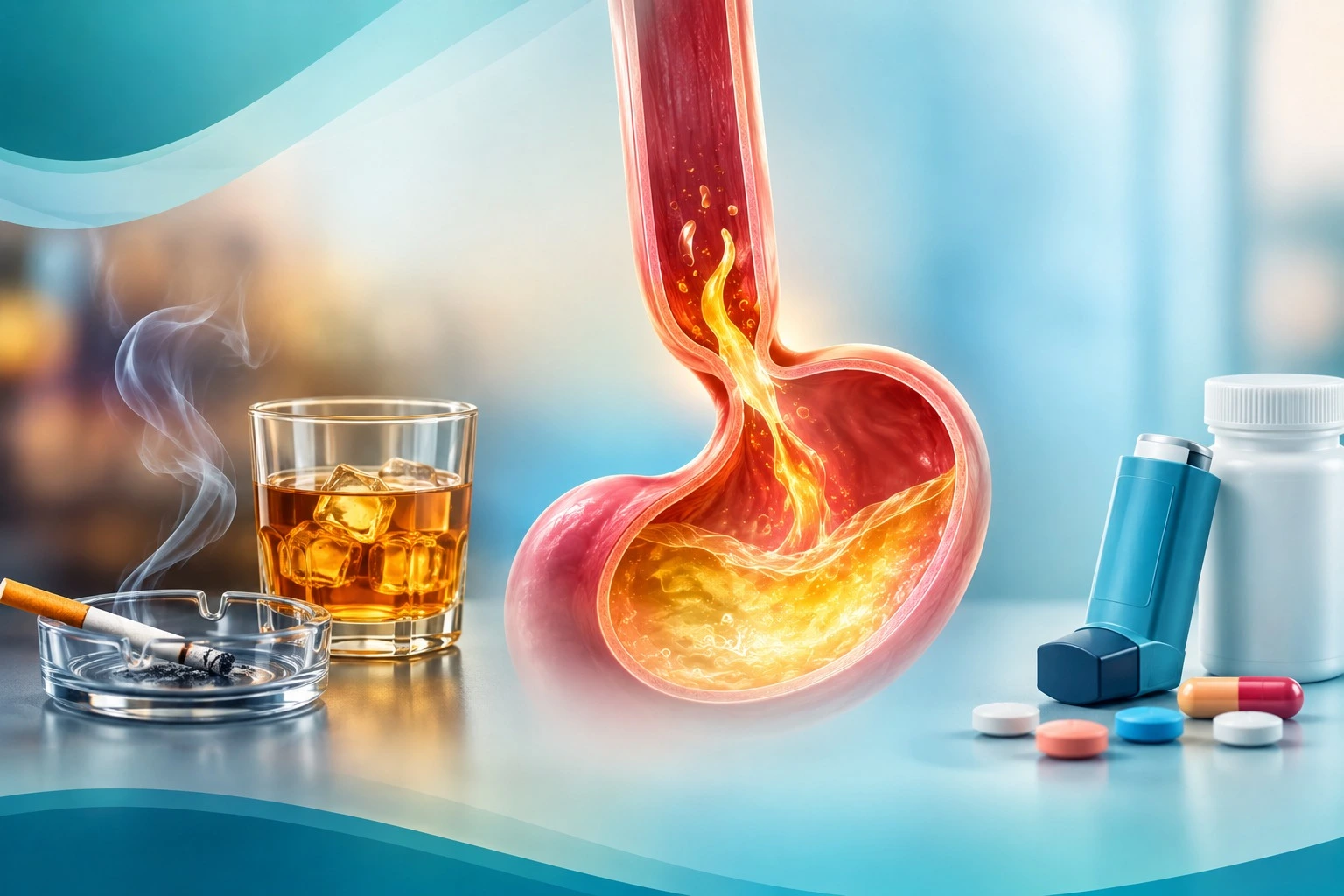
Tobacco and alcohol relax the valve directly. Some blood pressure tablets, asthma inhalers and sedatives can also loosen it.
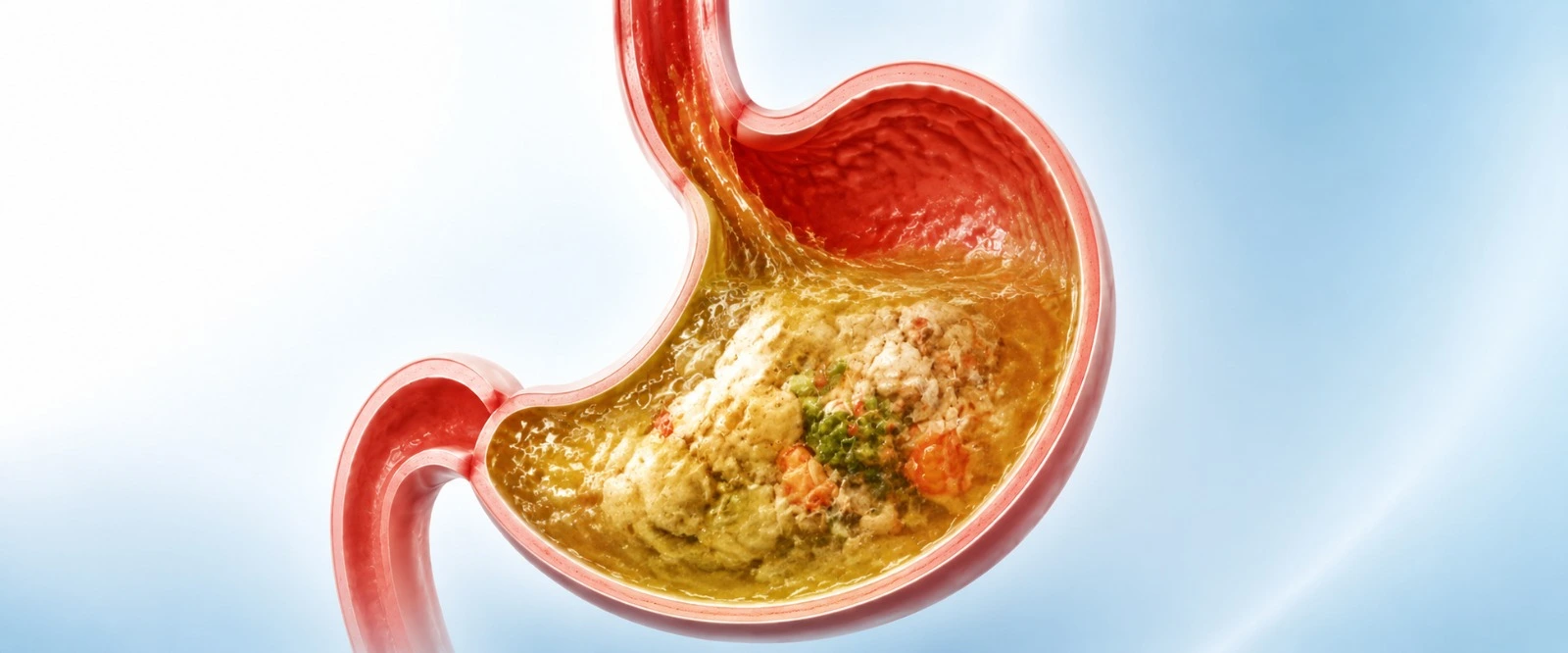
Food and acid sitting in the stomach longer than they should increases pressure and raises the chance of reflux, especially after large meals.
A fixed sequence, in this order — each step decides whether the next one is needed.
Dr. Viswanath goes through the pattern of your symptoms — timing against meals, night-time waking, what you have already taken and whether it helped — along with your medicines, weight history and tobacco or alcohol use.
A same-day camera examination of the food pipe and stomach. It shows inflammation, ulcers, narrowing, a hiatus hernia or Barrett's changes, and allows a biopsy in the same sitting.
Measures how much acid actually reaches the food pipe over a full day and night. Useful when symptoms are convincing but the endoscopy looks normal.
Assesses the strength and coordination of the food-pipe muscle and the valve. Done when swallowing is affected, or before surgery, to rule out motility disorders.
If gastritis or an ulcer is found alongside reflux, a breath, stool or biopsy-based test confirms infection so it can be cleared.

Finish dinner two to three hours before lying down, raise the head of the bed, reduce weight around the abdomen, and cut back tobacco and late coffee. Often enough on its own for mild reflux.
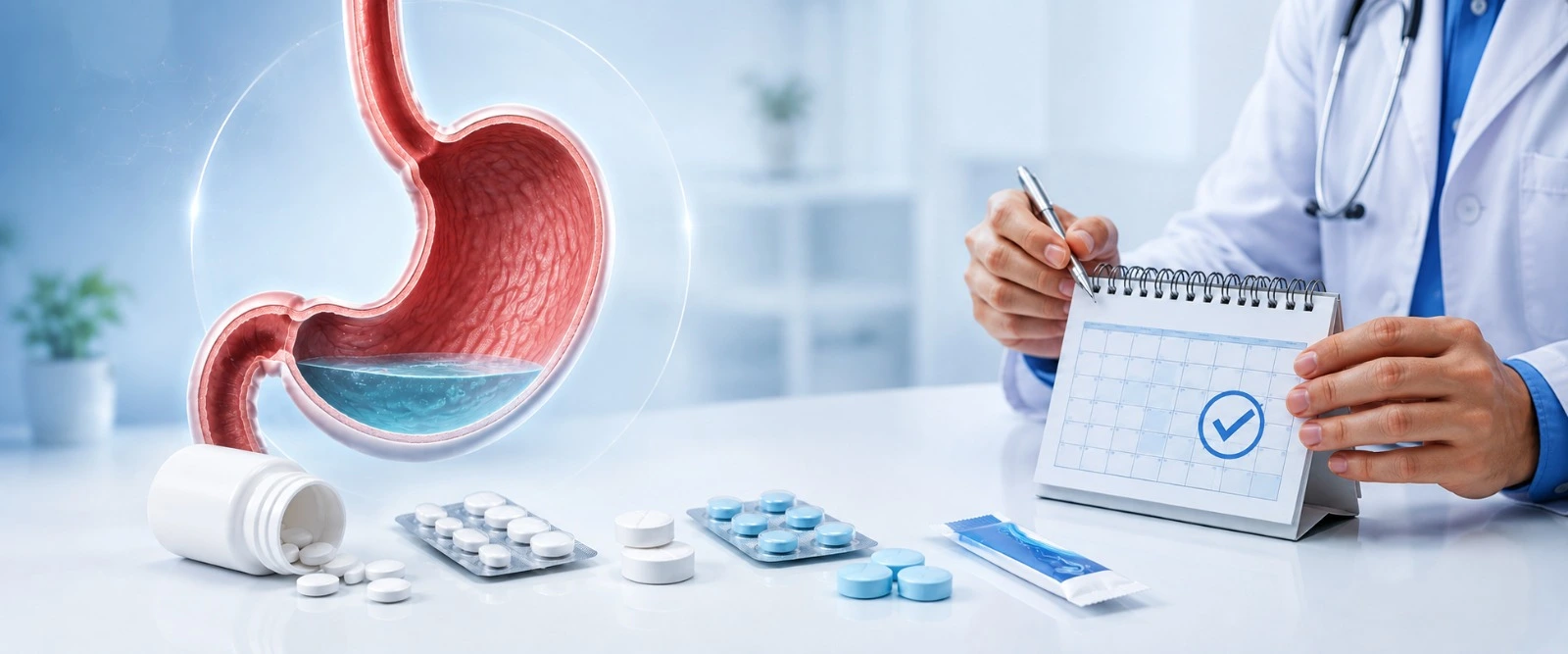
Proton pump inhibitors and H2 blockers prescribed for a defined period with a review date — not open-ended. Antacids and alginates for quick relief of an episode.
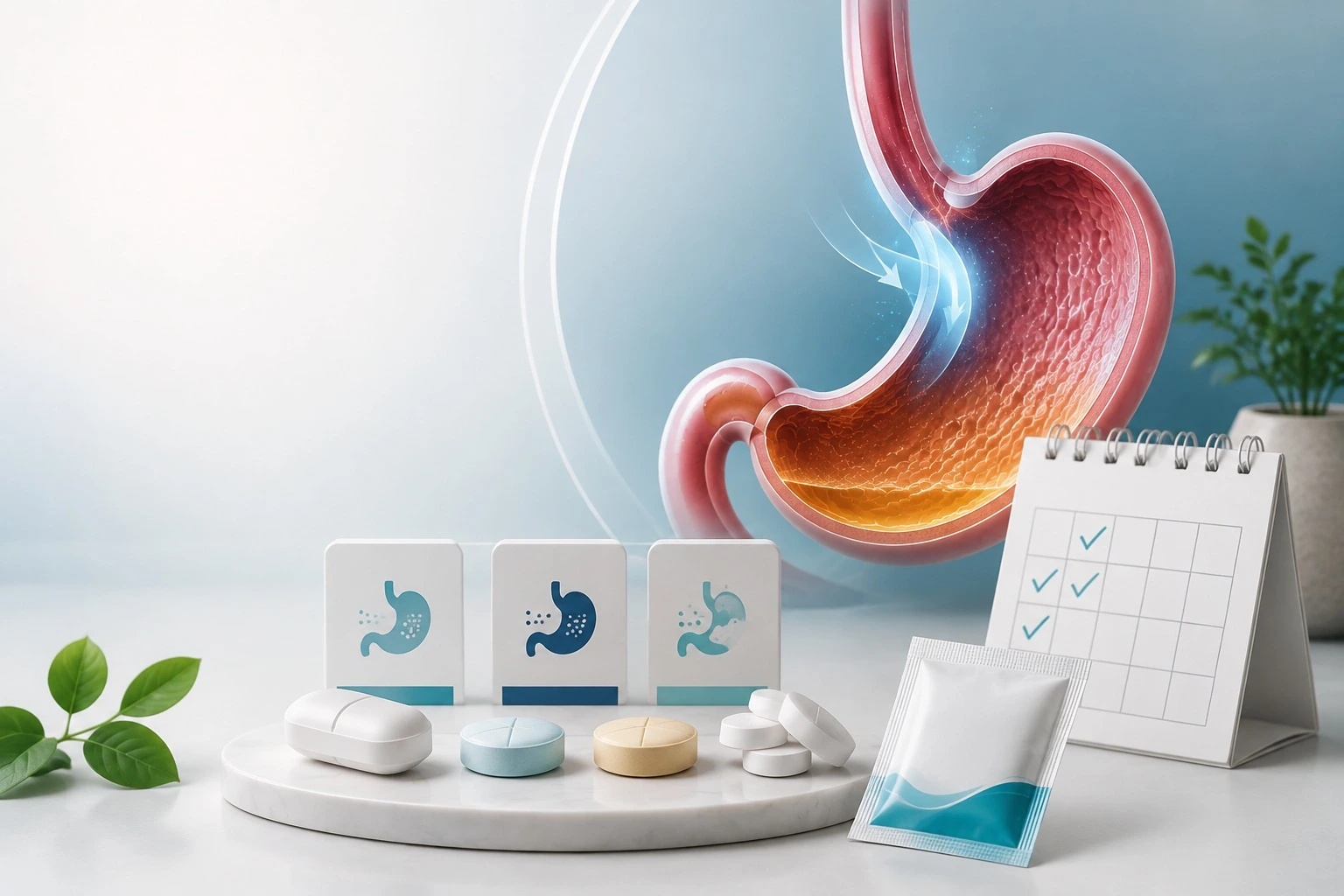
Where the stomach empties slowly, prokinetics help. We also review your existing tablets to replace any that relax the valve and worsen reflux.
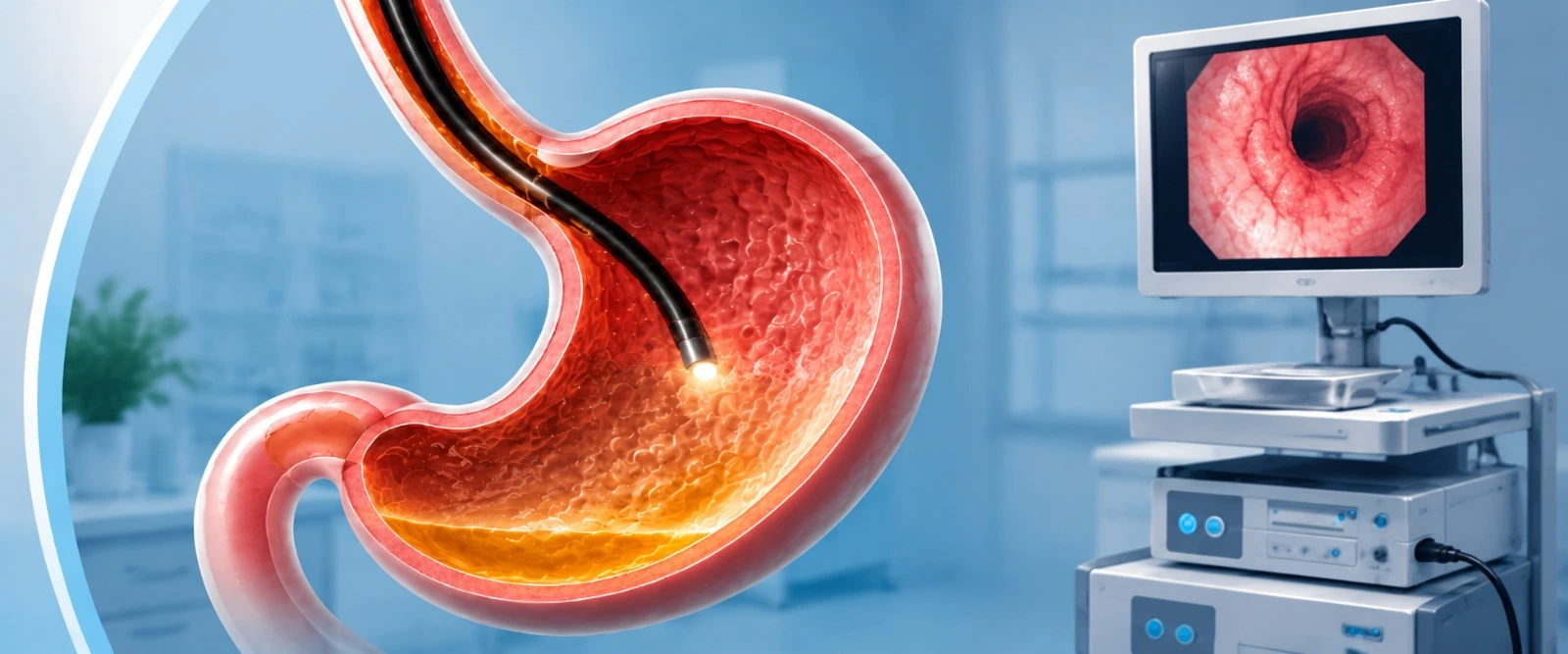
TIF, Stretta, ARMS and band ligation tighten the valve through the mouth — no cuts. Suited to PPI-dependent reflux without a large hiatus hernia.
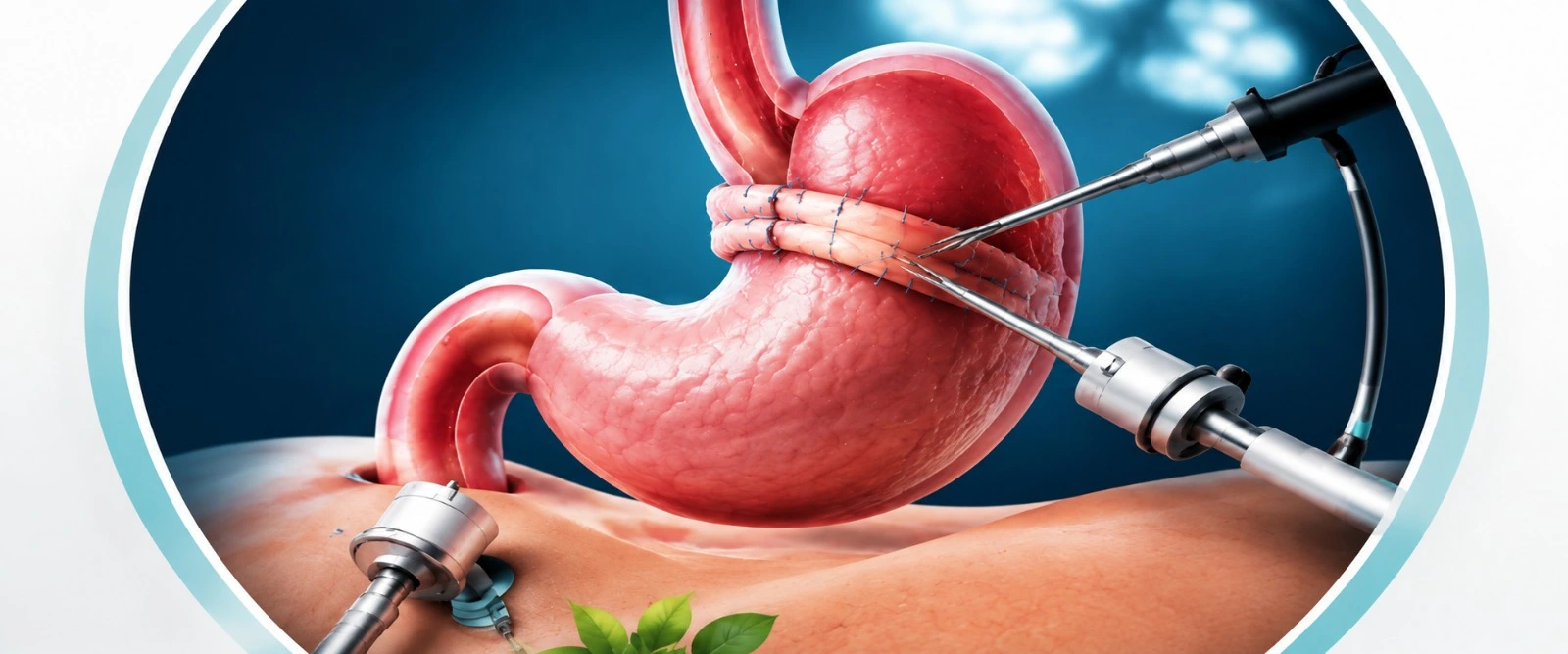
A small minority need laparoscopic fundoplication or hiatus hernia repair. Where that is the right answer, we refer with the full workup already done.

The aim is to heal the lining, then reduce medication to the lowest dose that keeps you symptom-free. Follow-up confirms the plan is working.
GERD is assessed by a super-specialist with a DM in Medical Gastroenterology and 13+ years managing GI and liver disease — including the endoscopy, pH monitoring and manometry, done by the same doctor who consults with you.
Consultation, upper GI endoscopy and pH testing happen at the same clinic in KPHB Colony. No referral chain, no second appointment across the city.
On 13th Phase Road, minutes from KPHB Colony, Kukatpally, JNTU, Nizampet, Bachupally and Miyapur. Open until 9 PM on weekdays for patients coming after work.
The aim is a completed course and a confirmed cure — not indefinite antacids. We prescribe with a defined duration and a review date, and step the dose down where we can.

Consultant Gastroenterologist & Liver Specialist, Advanced Interventional Endoscopist — Gokul Gastro & Liver Care, KPHB · Medicover Hospitals, Financial District.
For many people, yes — particularly when reflux is driven by abdominal weight, late meals, smoking or alcohol. Correcting those often stops symptoms returning once the oesophageal lining has healed.
Where the cause is structural, such as a large hiatus hernia or a genuinely weak valve, reflux is better described as controlled rather than cured. It can still be managed well long term, and in selected cases a fundoplication offers a lasting correction. What we avoid is leaving someone on acid-suppressing tablets indefinitely without ever establishing why the reflux is there.
Acidity is a general term for upper abdominal discomfort such as fullness, bloating and belching. Acid reflux is specific: stomach acid moving upward into the oesophagus, felt as burning in the chest and a sour taste in the throat. Acidity has many possible causes and reflux is only one of them, which is why the same medication does not work for everyone.
Not everyone does. Mild, recent and typical symptoms may be treated first and reassessed.
Endoscopy is recommended when symptoms last more than a few weeks, do not respond to treatment, begin after the age of 45, or come with warning signs such as difficulty swallowing, weight loss, vomiting blood or anaemia. It is the only way to see whether the lining of the oesophagus has been damaged.
Proton pump inhibitors are effective and generally well tolerated, and long-term use is appropriate for some conditions. Taking them for years without a diagnosis is not. Prolonged unsupervised use has been associated with reduced absorption of vitamin B12, magnesium and calcium, and can mask a problem that needs identifying. At Gokul Gastro & Liver Care they are prescribed with a defined duration and a review date, with the dose stepped down where possible.
Lying flat removes the help of gravity, and you swallow less while asleep — swallowing is what normally clears acid from the oesophagus. Eating close to bedtime makes it worse. Finishing dinner two to three hours before lying down and raising the head of the bed by six to eight inches helps most people. Extra pillows are not a substitute, because they bend the abdomen and can worsen reflux.
It can, and the two are difficult to separate on symptoms alone. Reflux pain is usually burning, linked to meals or lying down, and eases with an antacid. Cardiac pain is more often pressing or heavy, comes on with exertion, and may radiate to the arm or jaw with sweating or breathlessness. Any uncertainty should be treated as cardiac and assessed urgently; once the heart has been cleared, reflux is a common explanation.
Reflux itself does not cause cancer and most people with reflux never develop it. Long-standing untreated reflux can change the cells lining the lower oesophagus, a condition called Barrett's oesophagus, which carries a small increased risk of oesophageal cancer. It is detectable on endoscopy and can be monitored, which is why years of reflux should not be managed with over-the-counter tablets alone.
A gastroenterologist — a doctor with a DM or DNB in gastroenterology, which is superspecialty training beyond general medicine. At Gokul Gastro & Liver Care in KPHB Colony, Kukatpally, Dr. Viswanath Kamisetty (MBBS, MD, DM Medical Gastroenterology) treats acid reflux and other digestive conditions and performs endoscopy in-house. The clinic can be reached on 90000 20315 or on WhatsApp.
If you have been on antacids for months, one consultation can tell you why. Book acid reflux treatment in KPHB with Dr. Viswanath Kamisetty.