


Subscribe to out newsletter today to receive latest news administrate cost effective for tactical data.

Let’s Stay In Touch

Shopping cart

Subtotal $0.00

View cartCheckout

Piles · Fissure · Fistula

Piles Treatment in KPHB — Fissure & Fistula Care in Kukatpally

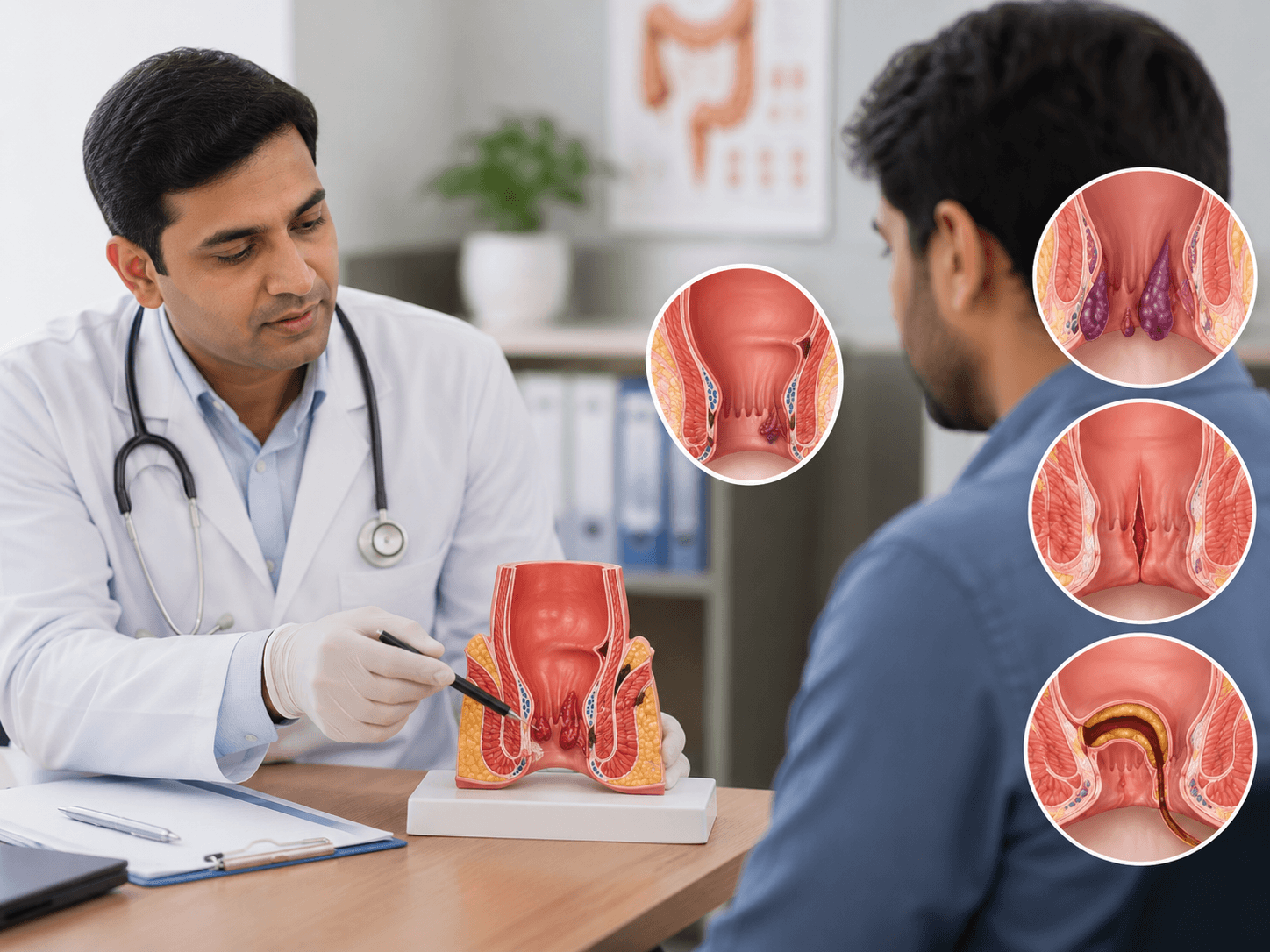
Piles treatment in KPHB begins with a proper check, never a guess. Moreover, bleeding, pain or a lump can point to three different problems. So, Dr. Viswanath Kamisetty examines you first and names the exact condition. After that, he explains every option in plain language.

Private, unhurried consultation. Message on WhatsApp if you prefer not to call.

Piles treatment in KPHB, Kukatpally at Gokul Gastro & Liver Care
Examined and graded, then treated Dr. Viswanath Kamisetty · MD, DM Medical Gastroenterology

Worried About Piles? Get Examined at Our KPHB Clinic

Mon – Sat 10:00 AM – 9:00 PM  ·  Sunday 10:00 AM – 1:00 PM

5.0★
Google rating
20,000+
Patients treated
13+ yrs
Clinical experience
DM
Medical Gastroenterology
Overview

Why Piles Treatment in KPHB Starts With a Check-Up

Medically reviewed by Dr. Viswanath Kamisetty MBBS, MD, DM (Medical Gastroenterology) Last reviewed: 13 August 2026

Piles, fissure and fistula sit in the same small area. However, they remain three separate conditions. Each one needs a different treatment plan. Also, many patients carry two of them together. Because of this overlap, self-diagnosis often goes wrong.

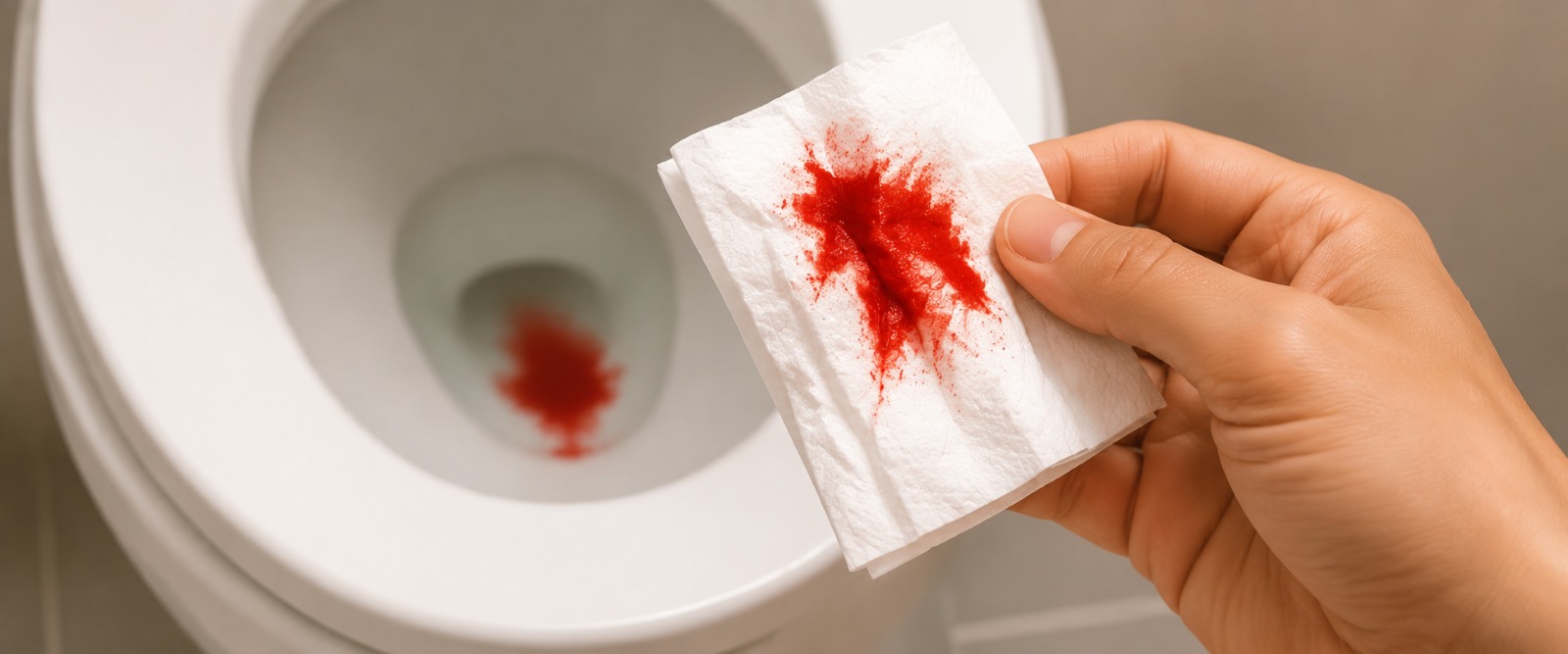
Bleeding worries most people the moment they notice it. Of course, they assume piles caused it. Sadly, that assumption can prove costly. After all, polyps, colitis and colon cancer cause the very same bleeding. Hence, our KPHB clinic checks you before we start any treatment.

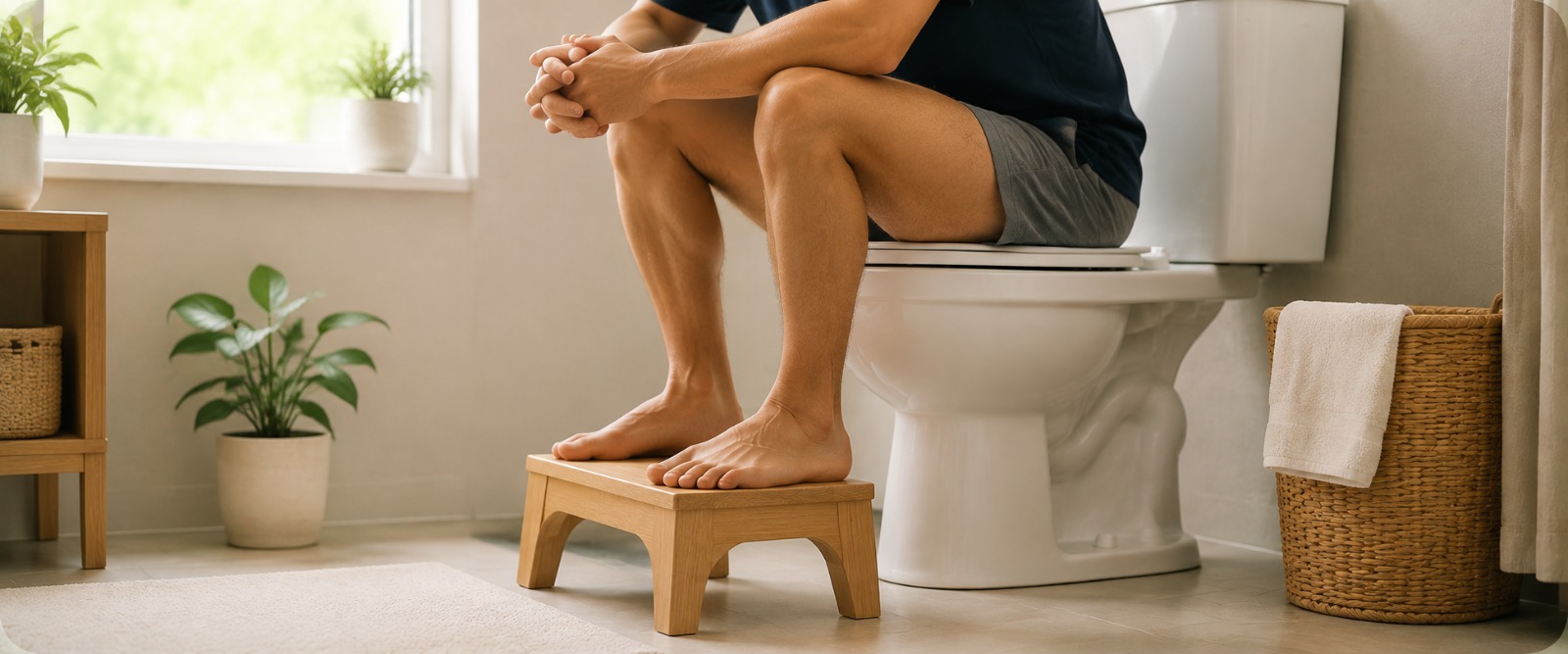
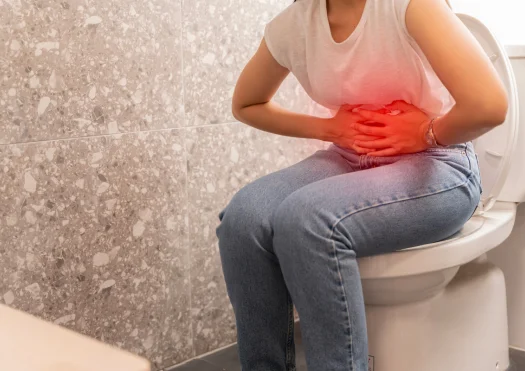
Constipation drives all three problems in most cases. In fact, straining and long toilet visits make them worse every single day. So we treat the root cause, not merely the symptom. Otherwise, the trouble returns within a few months.

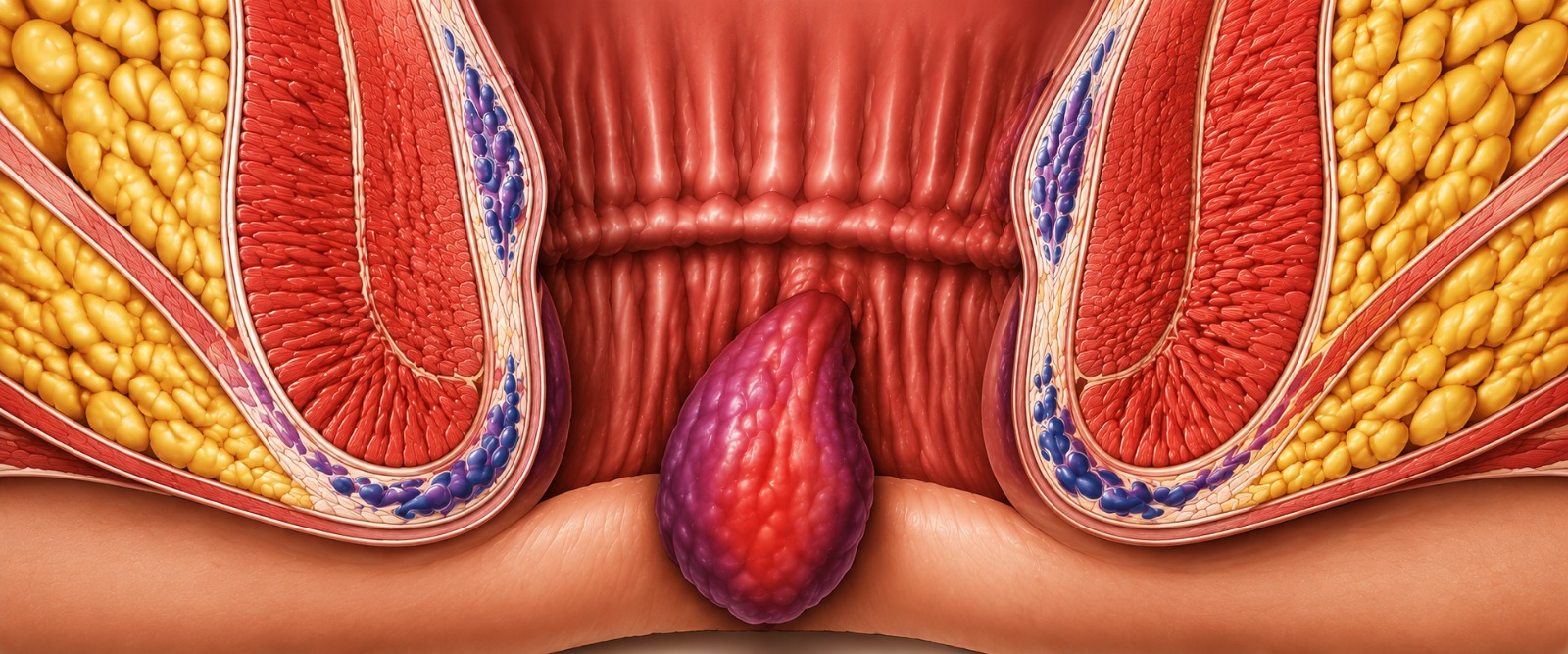
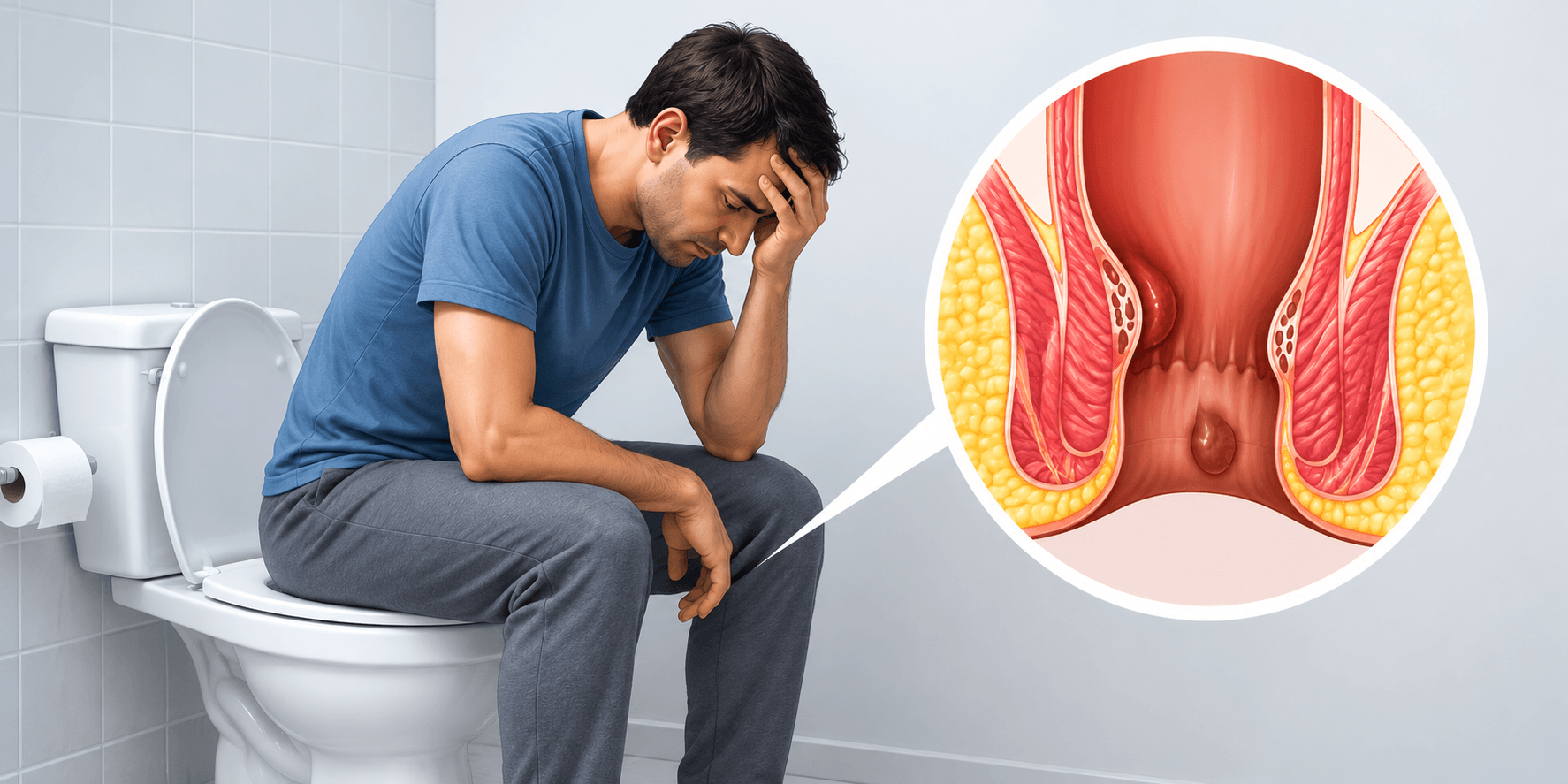
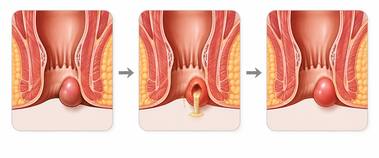
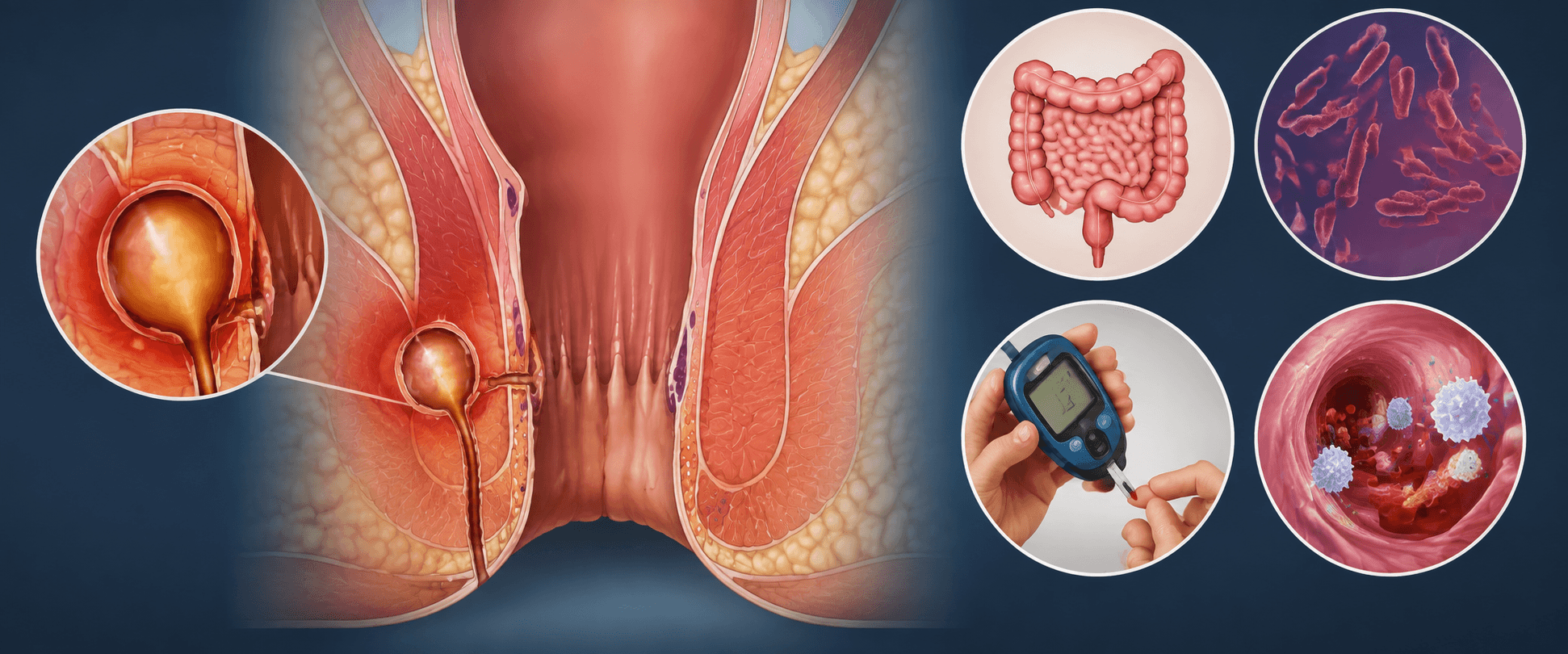
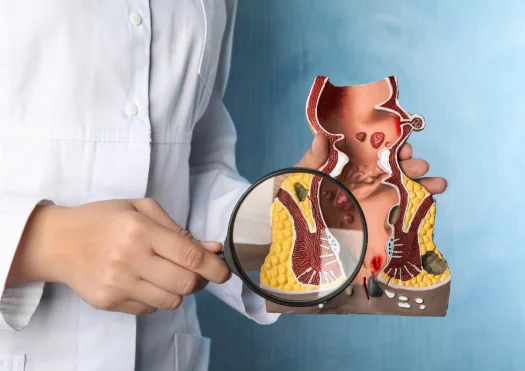
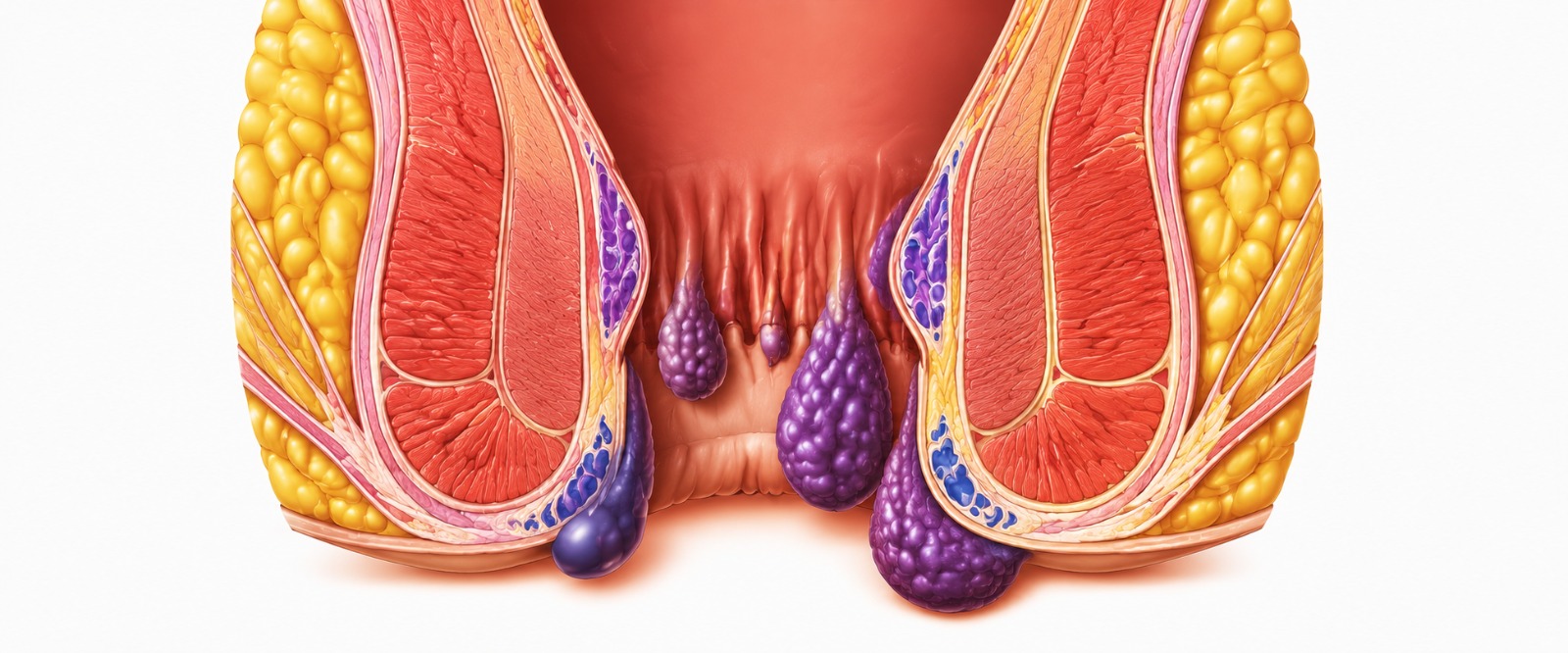
Diagram showing internal piles, anal fissure and anal fistula in the anal canal
Understanding the conditions

Piles, Fissure and Fistula: What Each One Means

Knowing your exact condition changes the whole treatment. So here is what each one really means.

Internal and external piles in the anal canal

Piles (Haemorrhoids)

Piles are swollen blood vessels inside the anal canal. Everyone has these cushions naturally. However, they cause trouble once they enlarge or slip down. Internal piles usually bleed without any pain. In contrast, an external pile hurts badly when a clot forms inside it.
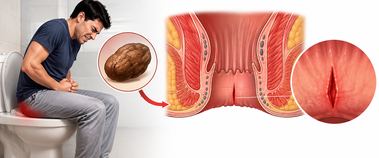
Anal fissure, a tear in the lining of the anal opening

Anal Fissure

A fissure is a small tear at the anal opening. Usually, a hard stool causes it. Nerves crowd this area densely. As a result, the tear produces sharp, tearing pain. Then the muscle goes into spasm and blocks healing fully.

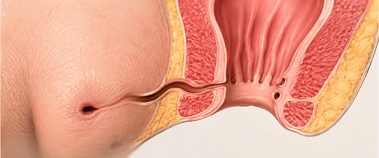
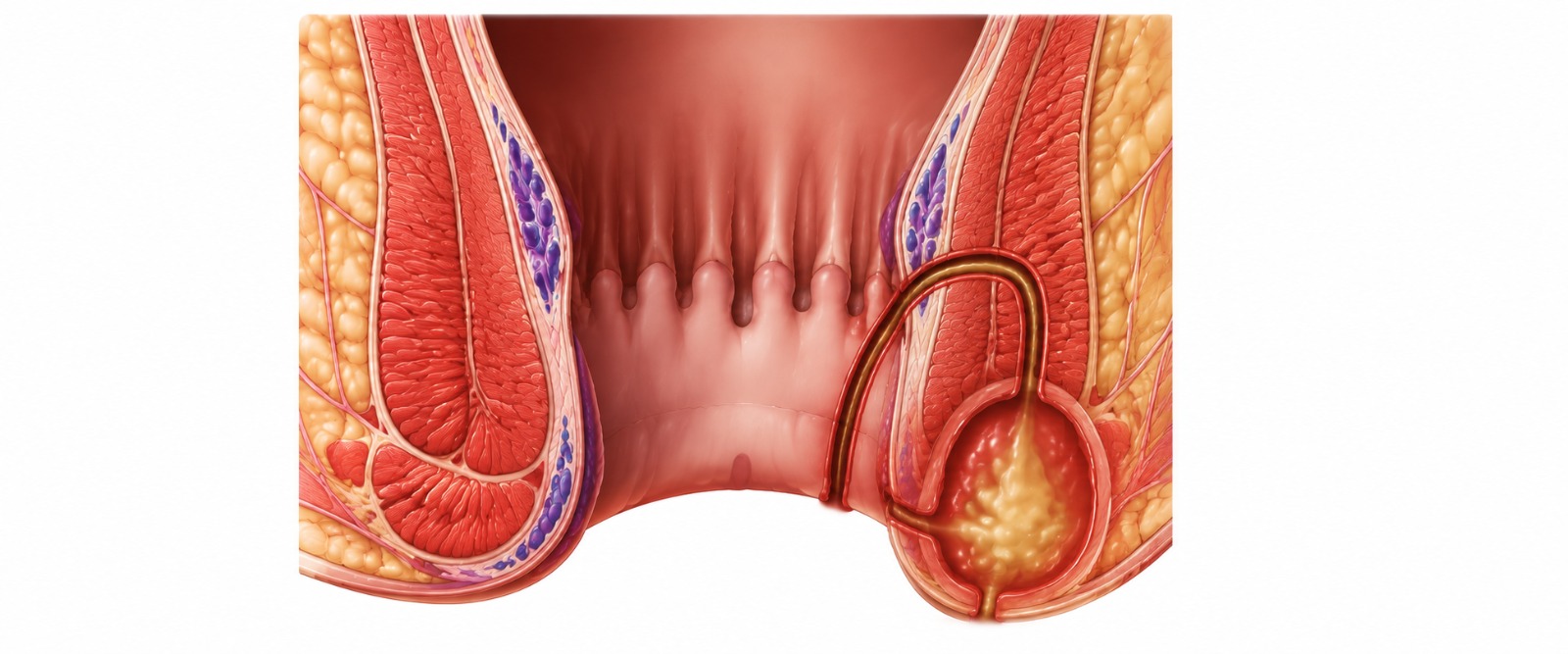
Anal fistula tunnel connecting the anal canal to the skin

Anal Fistula

A fistula is a tunnel between the anal canal and the outer skin. Almost always, a perianal abscess starts it. Persistent pus discharge marks the main clue. Besides, a fistula never closes on its own. Antibiotics alone will not cure it either.

Symptom self-check

How to Tell Piles, Fissure and Fistula Apart

This guide helps you understand your symptoms. Still, it never replaces a proper examination.

Bleeding-dominant

Piles

Pain
Usually none. However, a clotted external pile hurts severely.
Bleeding
Bright red and painless. Often it drips into the pan.
Discharge
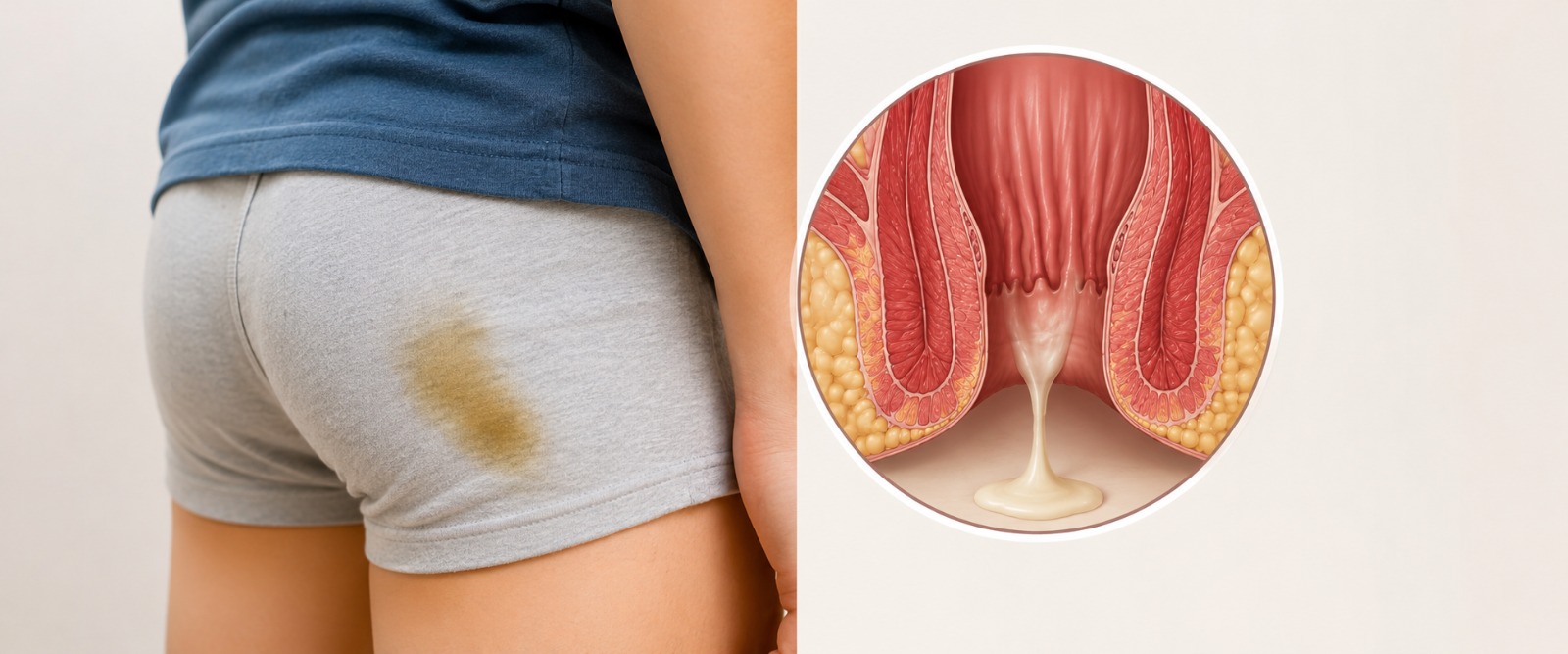
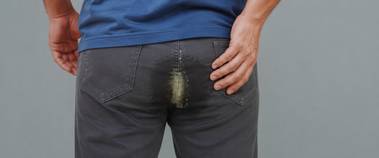
Mucus, which sometimes stains your underclothes.
What you feel
A soft lump appears on straining. Then it slips back inside.
Main driver
Constipation, straining and long toilet visits.
Pain-dominant

Anal Fissure

Pain
Sharp and tearing. Then, a deep ache lasts for hours.
Bleeding
A small streak on the tissue or the stool.
Discharge
None at all.
What you feel
A small skin tag at the margin in old cases.
Main driver
A hard stool tore the lining. Then spasm stopped the healing.
Discharge-dominant

Anal Fistula

Pain
Dull and throbbing. Also, it eases after each discharge.
Bleeding
Uncommon in most patients.
Discharge
Constant pus near the anus. Clearly, this is the strongest clue.
What you feel
A small opening beside the anus, often with a firm cord.
Main driver
An abscess drained earlier and left a tract behind.
Symptoms · Piles

Common Symptoms of Piles We Ask About

Please note how long each symptom has lasted. Besides, notice where exactly the blood appears.

Painless bleeding, a common early symptom of piles

Painless bleeding

Bright red blood appears on the tissue. Sometimes it drips after a motion.

A lump that comes and goes with straining, a sign of piles

A lump that comes and goes

Something slips out during straining. Later, it returns on its own.

Mucus discharge and staining around the anus

Mucus and staining

You feel damp between motions. And underclothes pick up stains.

Itching and irritation around the anus caused by piles

Itching around the anus

Mucus usually causes this irritation. Often, patients mention only this symptom.

Feeling of incomplete emptying after a bowel movement

Incomplete emptying

You finish the motion. Still, something feels left behind.

Sudden painful swelling from a clotted external pile

Sudden painful swelling

A hard, tender lump appears within hours. Often, a clotted external pile causes it.

Symptoms · Fissure & Fistula

Warning Signs of a Fissure or a Fistula

Pain that outlasts the motion suggests a fissure. But repeated discharge suggests a fistula.

Sharp pain while passing stool, a sign of an anal fissure

Sharp pain while passing stool

Many patients describe passing broken glass. Yet the tear itself stays tiny.

Hard stool causing pain that lingers after passing a motion

Pain that lingers afterwards

A burning ache continues for minutes. At times, it lasts several hours.

Fear of the toilet leading to a worsening anal fissure

Fear of the toilet

You hold on because of the pain. Then, the stool hardens and deepens the tear.

Constant pus discharge, a sign of an anal fistula

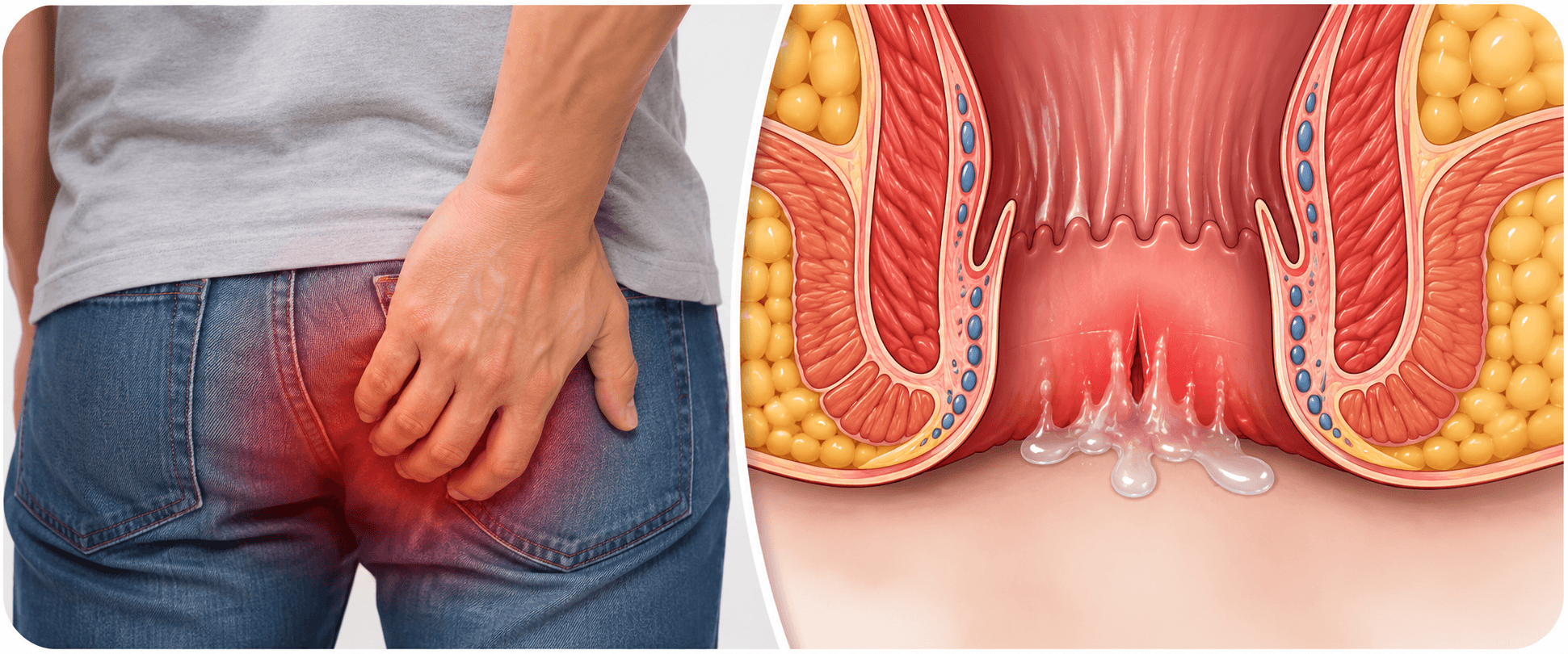
Constant pus discharge

Wetness near the anus keeps staining clothes. Besides, it rarely settles by itself.

Swelling that keeps returning around a recurring anal fistula

Swelling that keeps returning

A painful lump builds up and bursts. Later, it returns after a few weeks.

A visible opening beside the anus, a sign of an anal fistula

A visible opening

You notice a small hole beside the anus. Sometimes, more than one appears.

Staging

The Four Grades of Internal Piles

Grading applies only to internal piles. Moreover, the grade decides your entire treatment plan.

  1. Bleeding only

    The piles stay inside the canal. Painless bleeding remains the single complaint. Almost always, medicines settle this grade.
  2. Prolapse that reduces itself

    They come down during straining. Then, they return without any help. Medical treatment usually works well here.
  3. Prolapse needing manual reduction

    You must push them back by hand. So, a procedure often becomes necessary. Still, the diet work continues alongside.
  4. Permanently prolapsed

    They stay outside all the time. At the same time, the blood supply may get cut off. As a result, this grade needs prompt surgical review.
Causes

What Causes Piles, Fissures and Fistulas?

Treating a symptom without its cause invites relapse. Hence, we work through these drivers together.

Constipation and straining, the main cause of piles

Constipation and Straining

This remains the biggest driver of all three conditions. Hard stool tears the soft lining. Meanwhile, repeated straining swells the anal cushions until they prolapse.

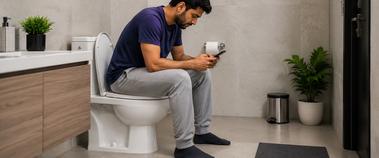
Long toilet visits with a phone increase pressure on the anal cushions

Long Toilet Visits

Sitting with a phone keeps the cushions under pressure. Twenty minutes daily adds up quickly. In fact, we correct this habit more than any other.

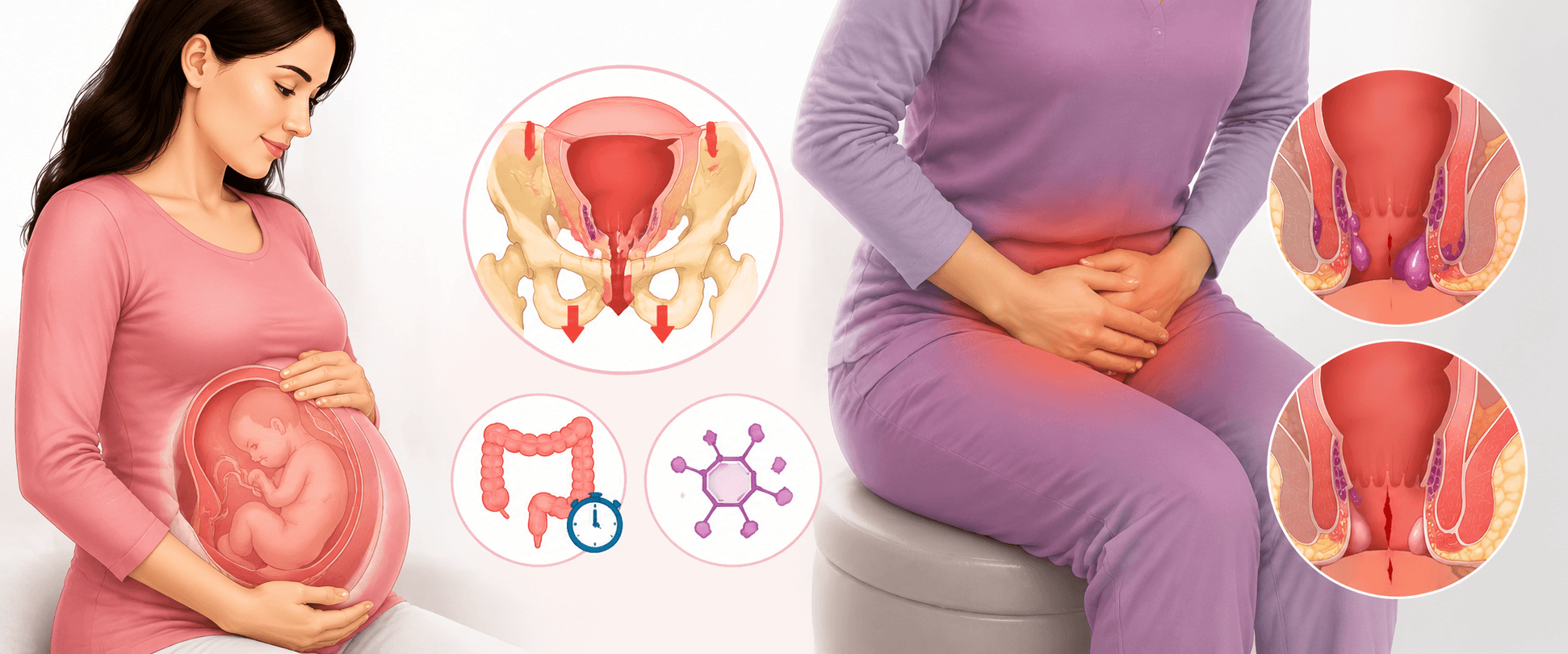
Pregnancy and childbirth as a cause of piles and fissures

Pregnancy and Childbirth

Pelvic pressure rises steadily through pregnancy. Also, hormones slow the bowel down. So, piles and fissures appear commonly after delivery.

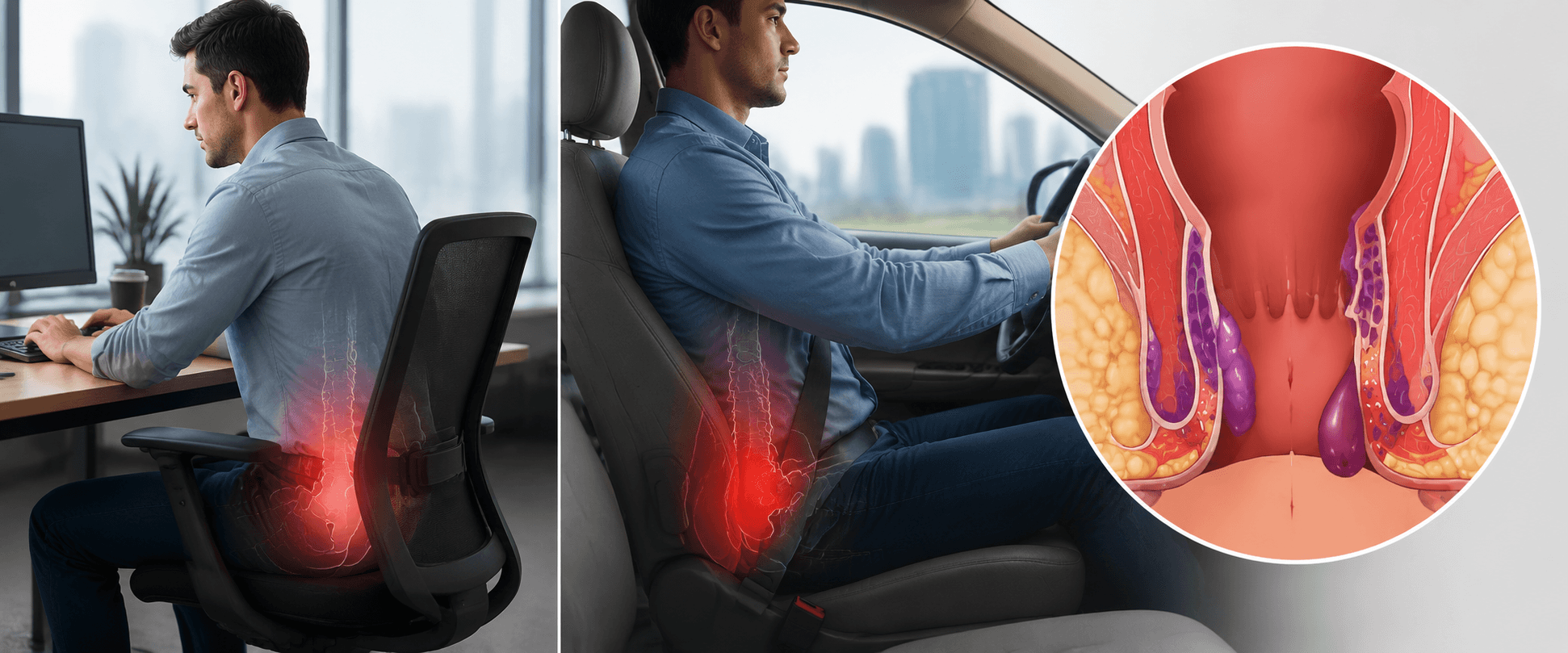
Desk work and long sitting raising pressure in the anal veins

Desk Jobs and Long Sitting

Long commutes and desk work slow your bowel. So, pressure builds in the anal veins. We see this pattern often across the KPHB and Kukatpally IT workforce.

Low fibre diet and inadequate fluids hardening the stool

Low Fibre and Low Fluids

Refined food leaves very little fibre behind. Besides, most people drink too little water. Hyderabad summers make this problem sharper still.

Crohn's disease and infection behind recurrent anal fistula

Infection and Hidden Disease

Every fistula starts as a perianal abscess. However, some cases keep coming back. Then we look for Crohn's disease, tuberculosis or diabetes behind them.

Diagnosis

How We Diagnose Piles at Our KPHB Clinic

Not every patient needs every test. Instead, each step decides whether the next one follows.

1

History and Examination

First, we ask about the bleeding, the pain and your bowel habit. Then we examine the area briefly. Also, a nurse stays present. This step identifies most fissures and fistula openings straight away.

2

Proctoscopy

Next, a small scope checks the anal canal. The whole test takes under a minute. Moreover, it needs no anaesthesia. Because of proctoscopy, we grade your piles exactly instead of guessing.

3

Colonoscopy When Needed

Sometimes the bleeding needs a fuller answer. Then we scope the large bowel as a day-care test. You stay under sedation and go home the same day.

4

Blood Tests

A simple haemogram shows whether the bleeding caused anaemia. Besides, we check sugar and thyroid where relevant. Long-standing piles cause iron deficiency more often than people expect.

5

Imaging for Fistula

An MRI fistulogram maps the tunnel clearly. Or, an endoanal ultrasound does the same job. Surgeons need this map first. Otherwise, an operation risks damaging the sphincter muscle.

6

Diagnosis and Written Plan

Finally, you leave with a named condition and a grade. Also, you carry a written diet and bowel-habit plan. We also state clearly whether you need a procedure.

Treatment options · Piles

Piles Treatment in KPHB: Your Options

Several treatments exist for piles. Your grade, your symptoms and your general health decide which one suits you.

Non-Surgical Options

Most patients never need anything beyond this group. We offer all three at the KPHB clinic itself.

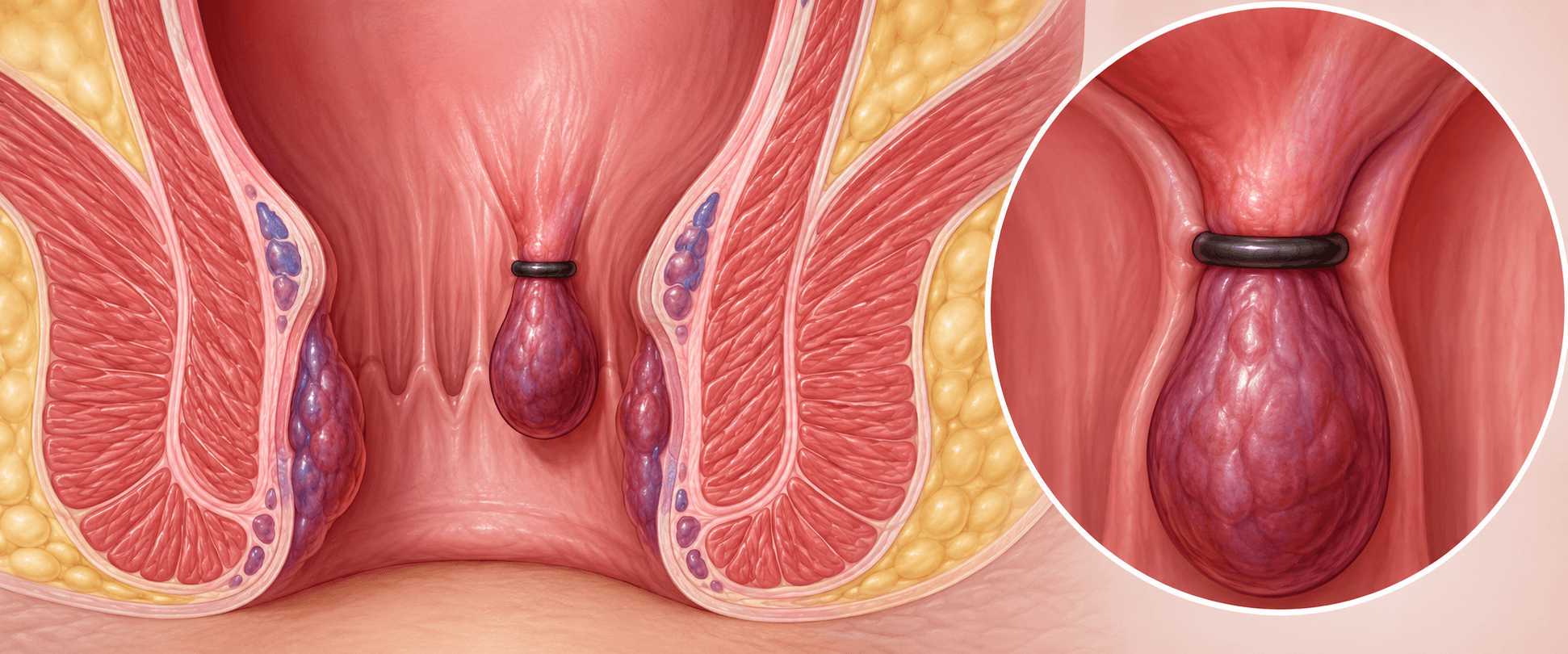
Rubber band ligation day-care procedure for piles

Rubber Band Ligation

A tiny band goes at the base of the pile. Then it shrinks and drops off within days. Suits Grade 2 and selected Grade 3 piles, without cutting or general anaesthesia.

Diet, fibre and medical treatment for piles in KPHB

Diet and Medical Treatment

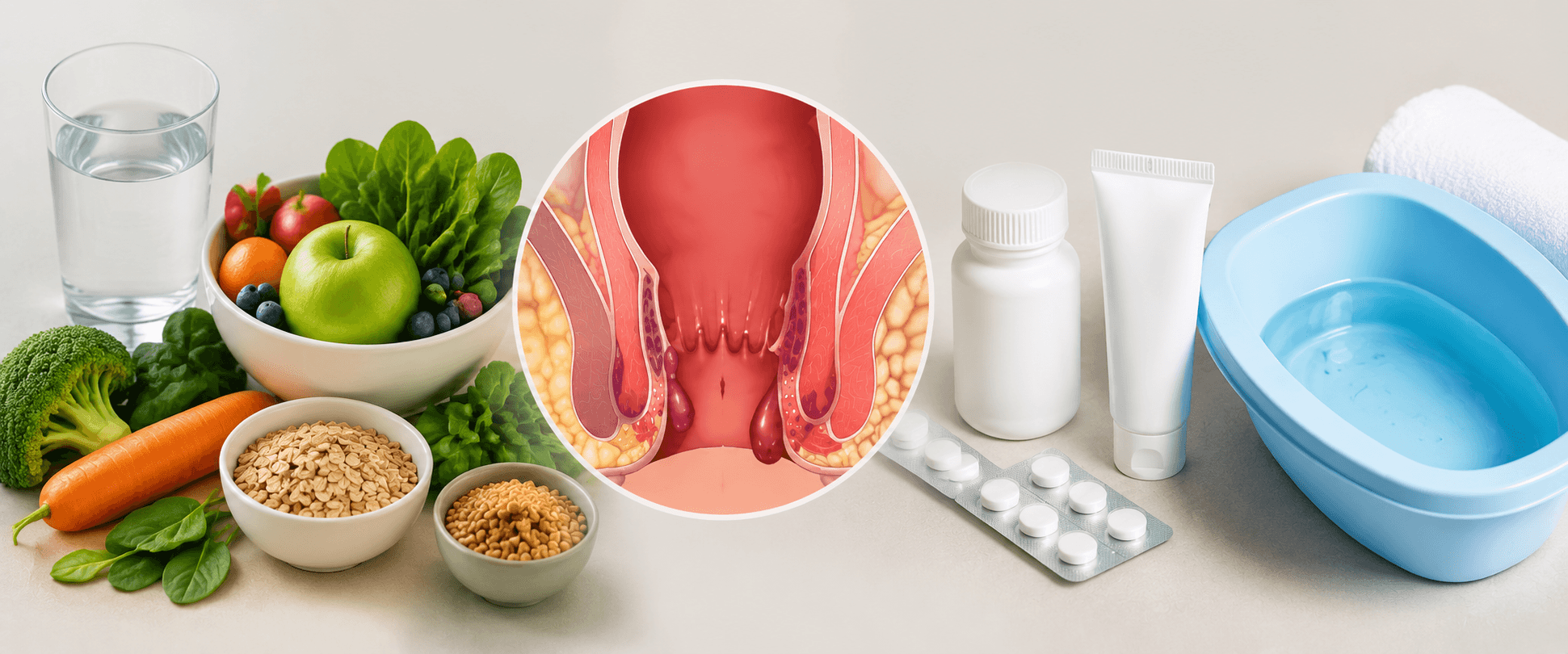
Higher fibre, more fluids, stool softeners, topical creams and sitz baths. This suits Grade 1 and Grade 2 piles. Also, it supports every other option listed here.

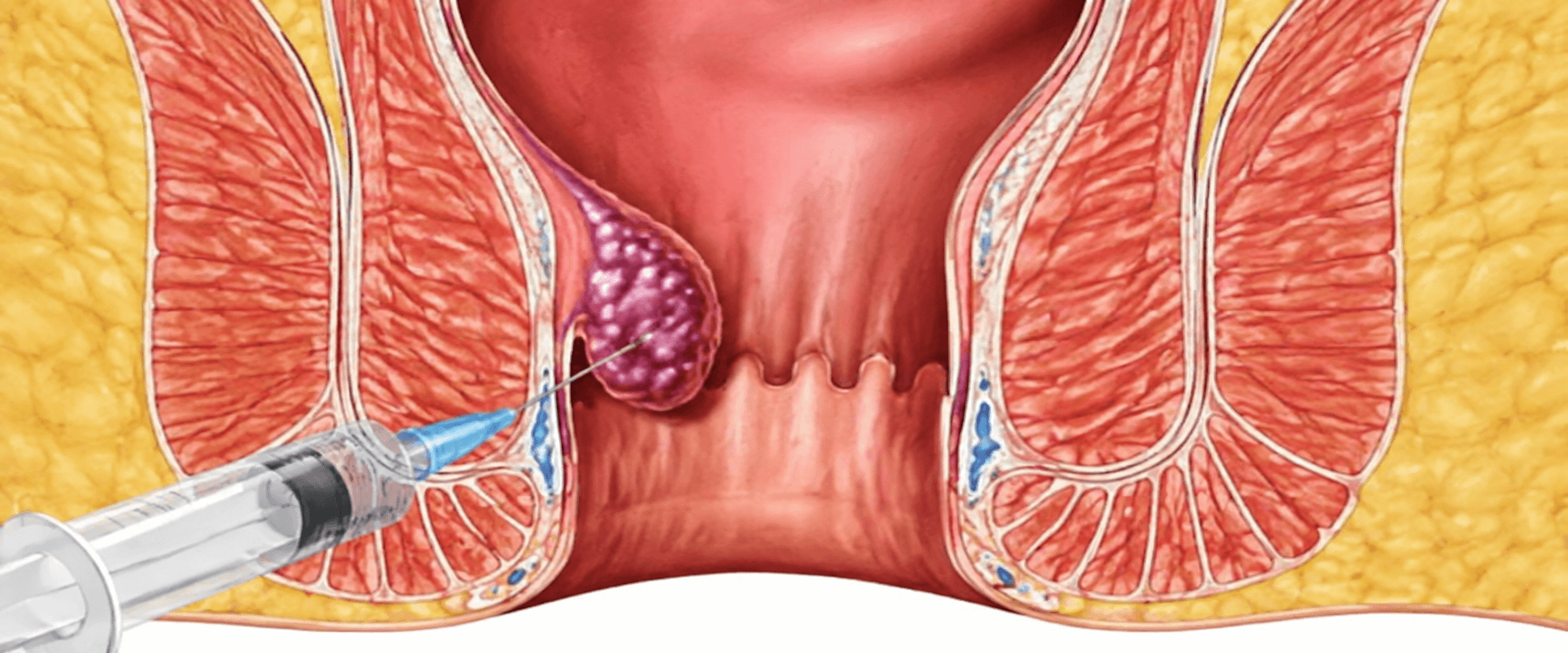
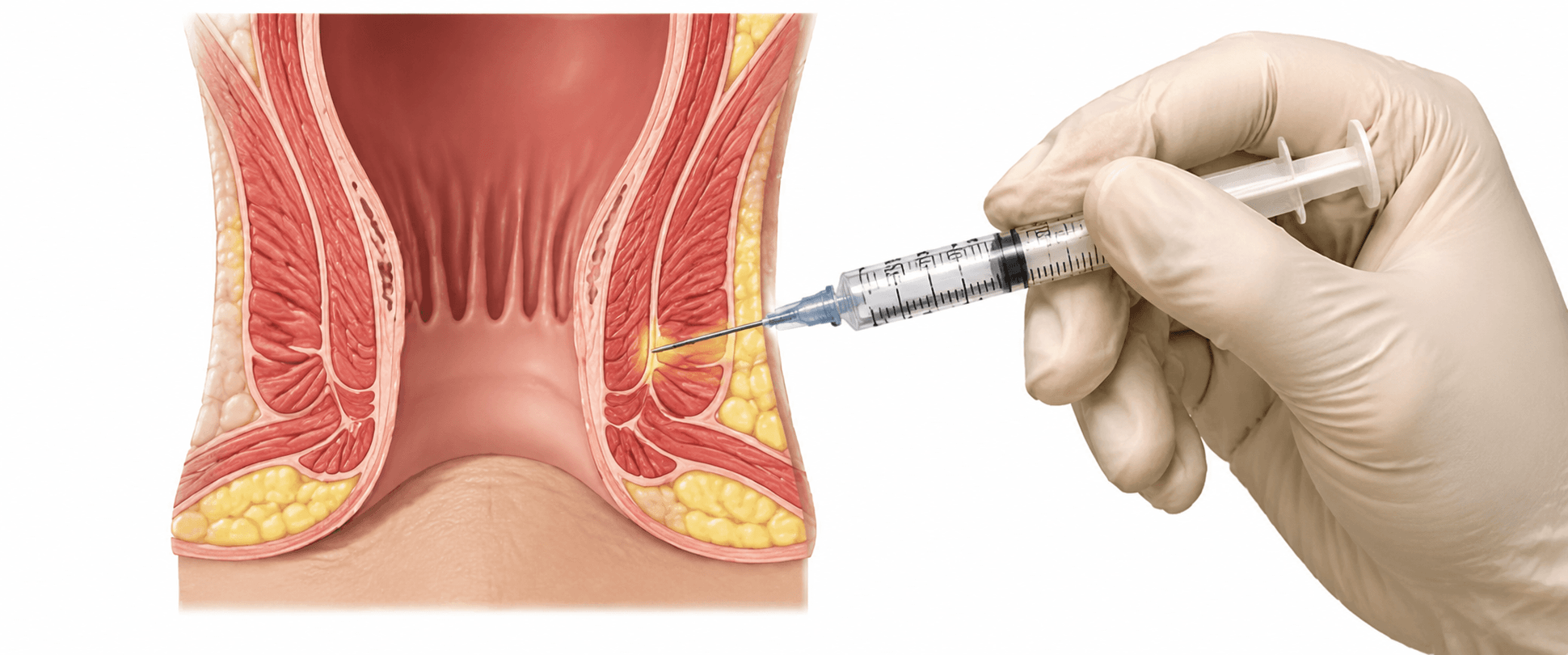
Sclerotherapy injection treatment for small internal piles

Sclerotherapy Injection

An injection shrinks the swollen vessel and stops the bleeding. This suits small internal piles. Besides, it works well for patients on blood thinners.

Surgical Options

These need an operating theatre. We confirm the grade, complete your bowel evaluation, then refer you to a colorectal surgeon with everything in hand.

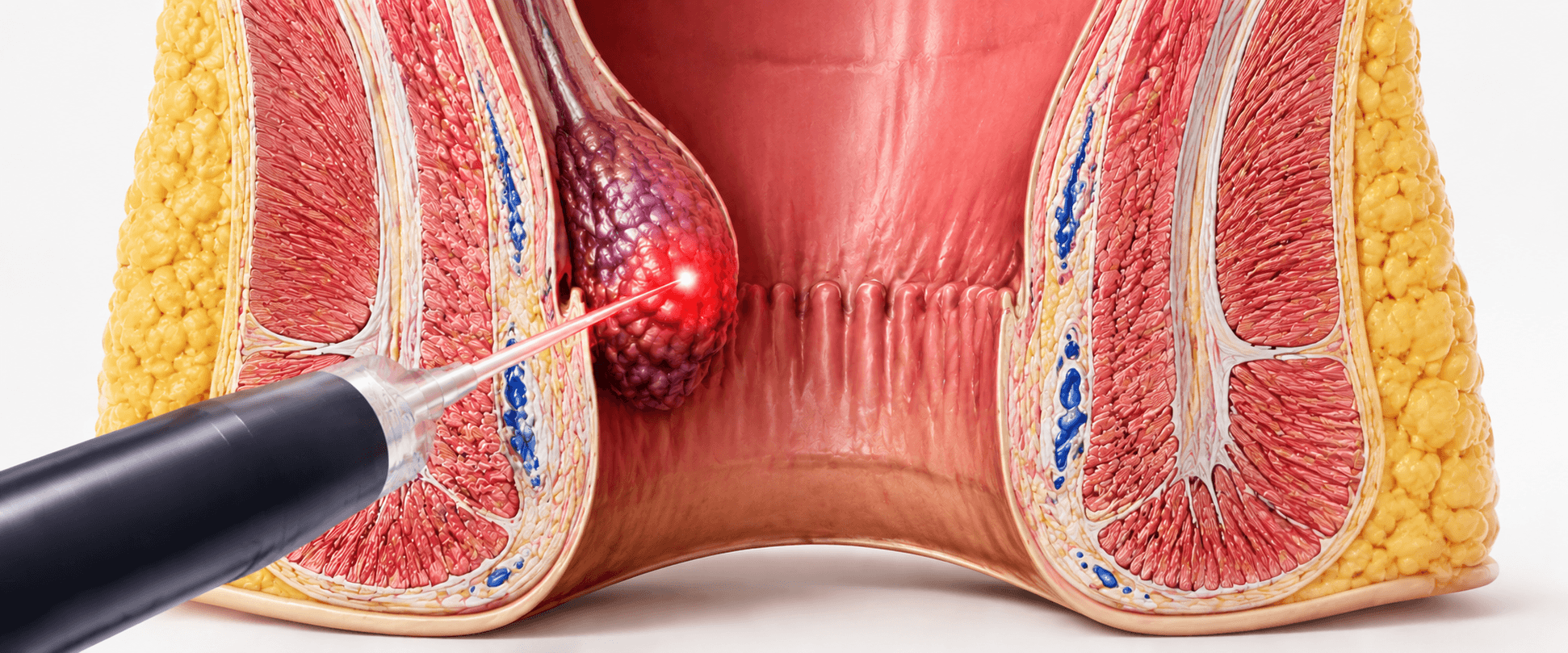
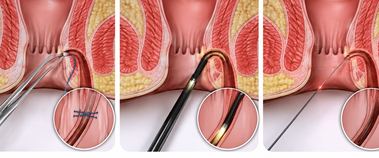
Laser haemorrhoidoplasty procedure for piles

Laser Haemorrhoidoplasty

Laser energy shrinks the pile from inside. Recovery runs shorter than open surgery. However, it costs more and suits selected grades only.

Stapled haemorrhoidopexy, also called MIPH, for prolapsed piles

Stapled Haemorrhoidopexy

Also called MIPH. A stapler lifts the prolapsed piles back into place. Pain stays lower afterwards. Yet recurrence rates run slightly higher.

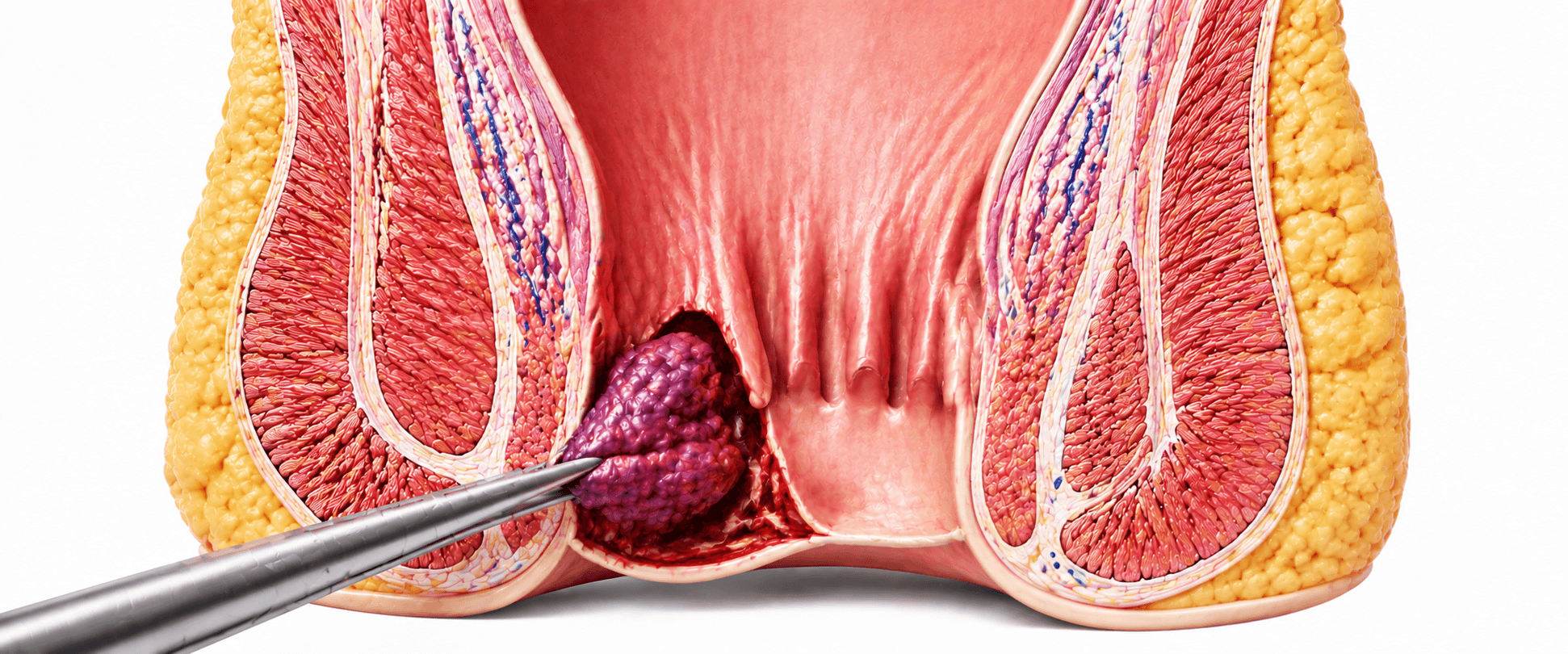
Open haemorrhoidectomy surgery for Grade 4 piles

Open Haemorrhoidectomy

The surgeon removes the pile completely. This remains the most reliable option for Grade 4 and clotted piles. Recovery takes two to three weeks.

Treatment options · Fissure & Fistula

Fissure and Fistula Treatment in Kukatpally

These two conditions need different treatments. Early fissures heal on medicines. Fistulas, however, always need a procedure.

Anal Fissure Options

Roughly nine in ten early fissures heal without surgery, provided treatment starts soon enough.

Botulinum toxin injection relaxing the sphincter for a chronic fissure

Botulinum Toxin Injection

A small injection relaxes the tight muscle for a few months. That break lets a chronic fissure heal. Also, it avoids any permanent cut to the sphincter.

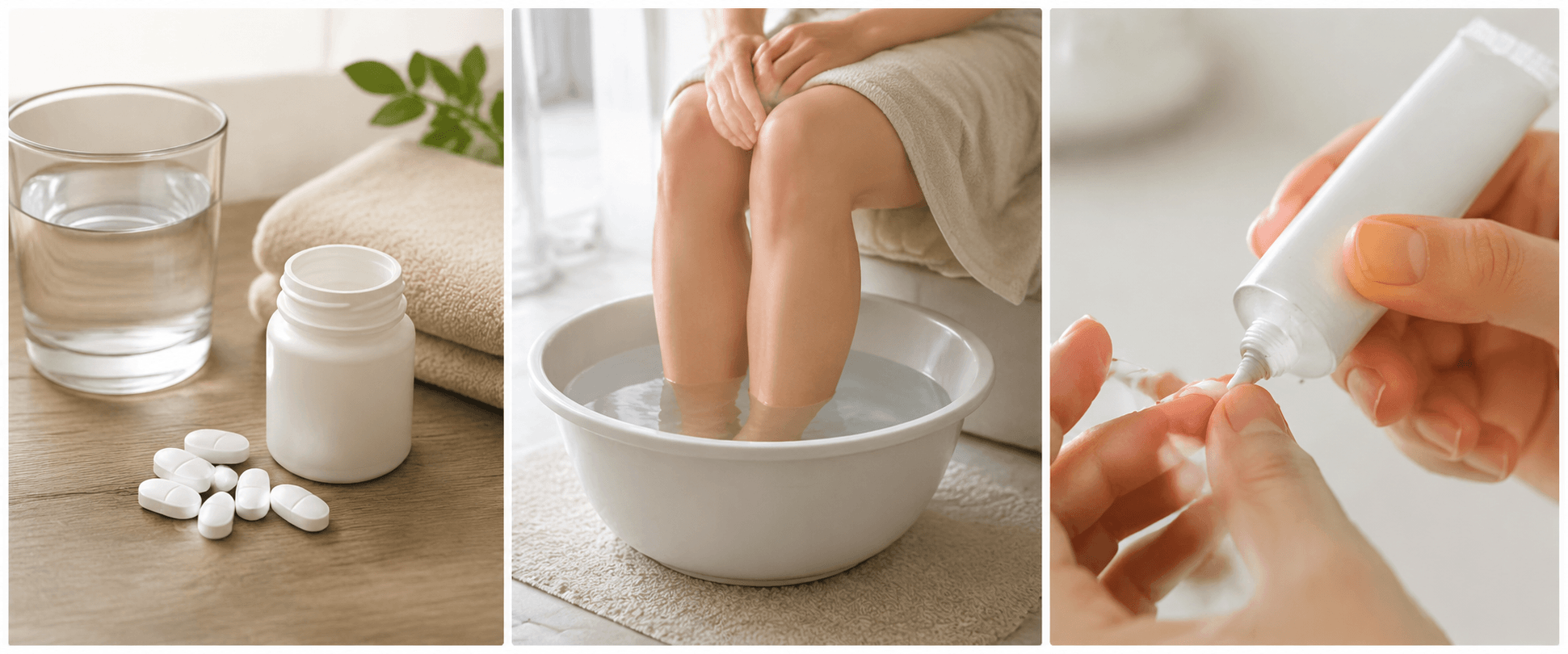
Medical treatment for anal fissure with ointment and stool softeners

Medical Treatment

Stool softeners, sitz baths and a sphincter-relaxing ointment together. The ointment restores blood flow so the tear closes. Most acute fissures heal in two to six weeks.

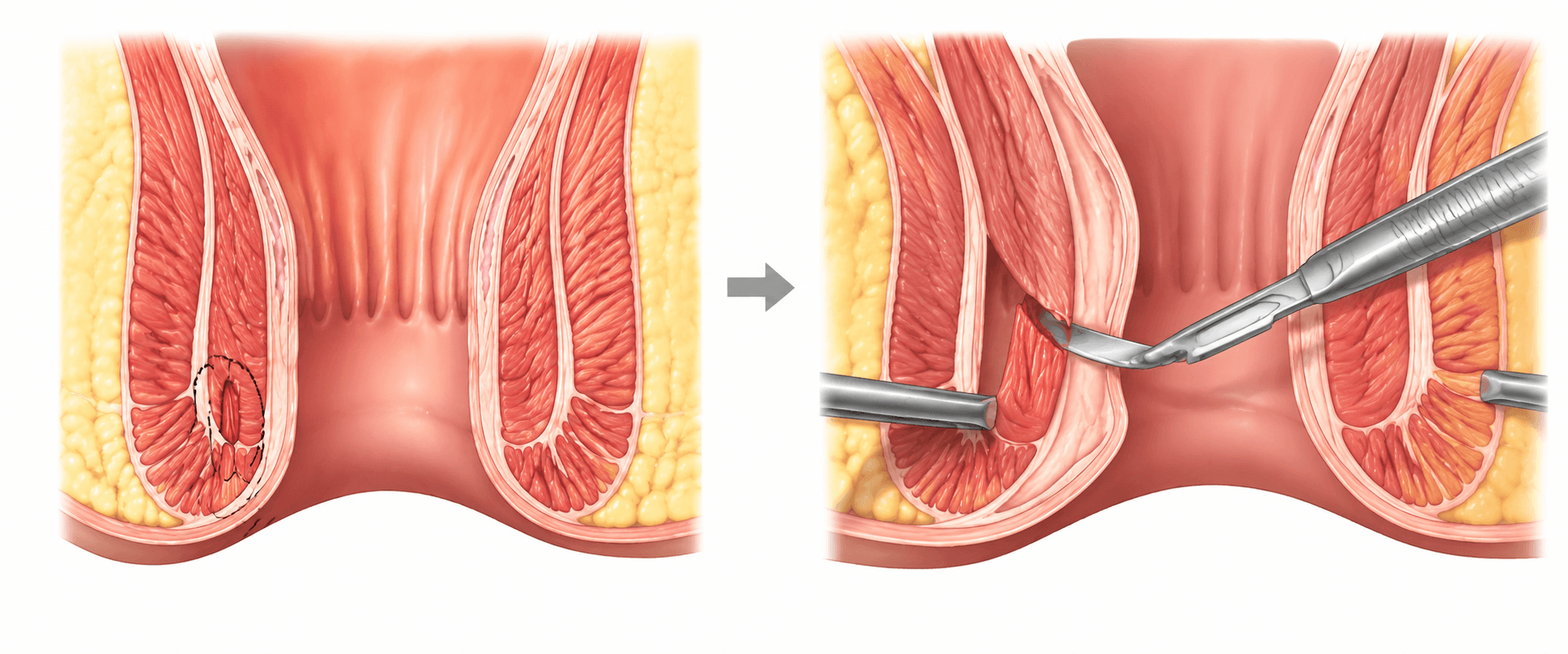
Lateral internal sphincterotomy surgery for chronic anal fissure

Lateral Sphincterotomy

A surgeon releases a small part of the internal sphincter. Healing rates run very high. Yet it carries a small continence risk, so we reserve it for stubborn cases.

Anal Fistula Options

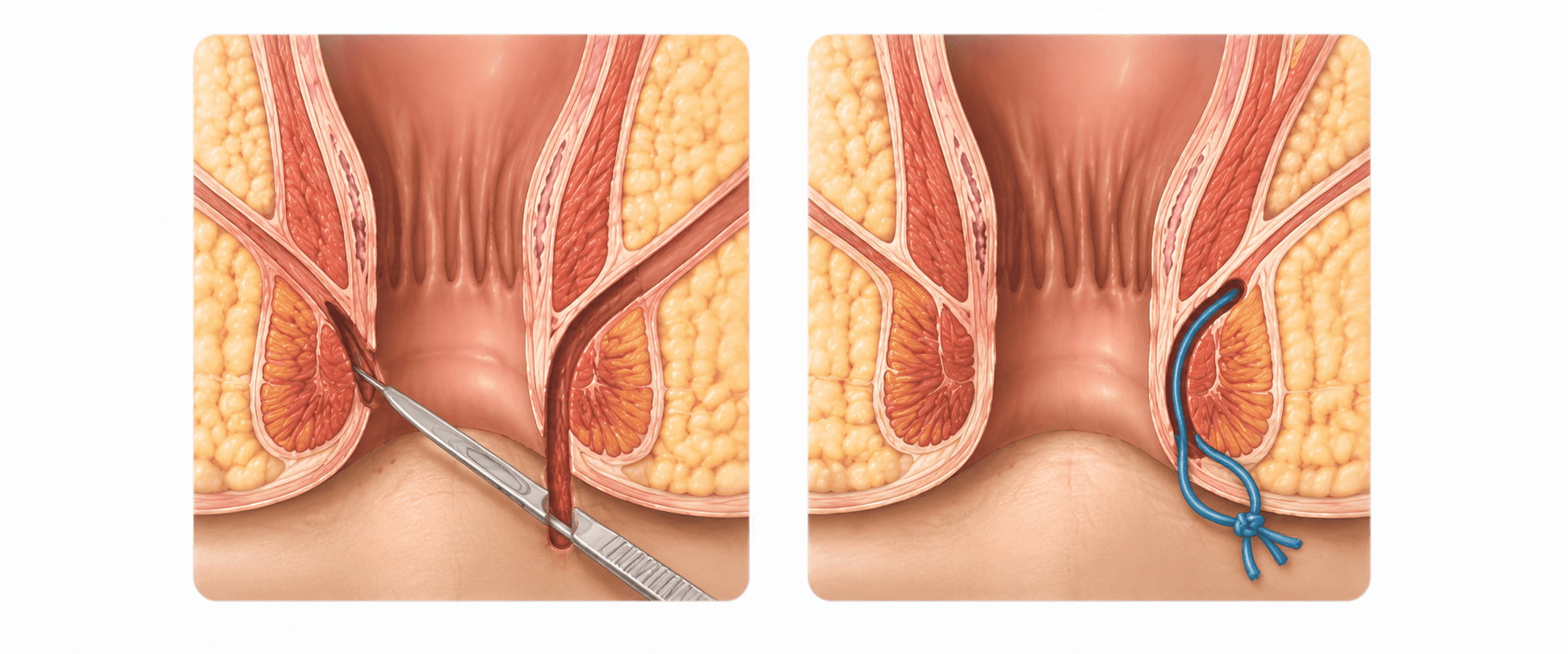
No medicine closes a fistula. Imaging maps the tract first, because the tract decides which procedure fits.

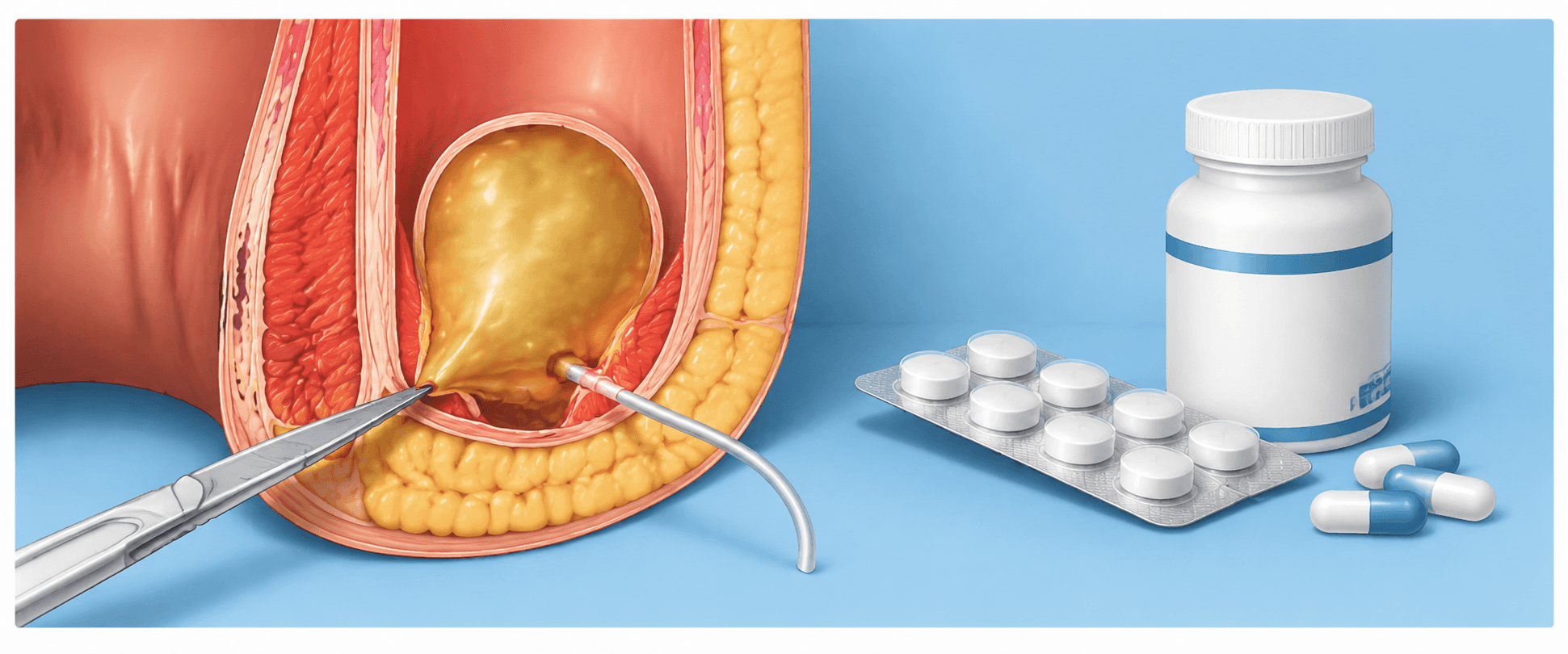
Abscess drainage and antibiotics for an acute anal fistula

Drainage and Antibiotics

This settles an active abscess and relieves the pain quickly. Above all, understand what it does not do. The tunnel stays open and still needs treating.

Fistulotomy and seton placement for anal fistula

Fistulotomy or Seton

Fistulotomy opens a simple, low tract and lets it heal. A seton drains a complex tract slowly instead. Both protect the sphincter muscle.

LIFT, VAAFT and laser sphincter-sparing fistula procedures

LIFT, VAAFT and Laser

Sphincter-sparing options for complex or high fistulas. Each closes the tract without cutting the muscle. Your imaging decides which one applies.

Why Gokul Gastro

A Piles Doctor in Kukatpally Who Examines Before Treating

Piles treatment in KPHB too often begins with a guess. Someone hands over an ointment. Another quotes surgery without looking. At the same time, everyone assumes the bleeding came from piles.

  • We Explain the Bleeding

    We check every patient here. Where the picture warrants it, a scope follows. So, you receive a named condition and a grade, not a guess.

  • Colonoscopy In-House, Same Day

    We perform scopes at the KPHB Colony clinic itself. So, you skip the referral chain entirely. Also, no second trip across the city becomes necessary.

  • Medicines First, Surgery Later

    Most early piles and acute fissures settle without any procedure. Hence, we discuss surgery only when the grade justifies it. It never opens the conversation.

  • Private, Discreet and Unhurried

    Each check stays brief, and a nurse attends always. And you can book entirely over WhatsApp. Sunday morning slots suit patients who cannot take leave.

About the specialist

Meet Your Piles Doctor in KPHB, Kukatpally

Dr. Viswanath Kamisetty, gastroenterologist for piles treatment in KPHB, Kukatpally

Dr. Viswanath Kamisetty

MBBS · MD · DM (Medical Gastroenterology)

Consultant Gastroenterologist & Liver Specialist. Advanced Interventional Endoscopist at Gokul Gastro & Liver Care, KPHB. He also consults at Medicover Hospitals, Financial District.

13+ years experience 20,000+ patients 5.0★ rated

What Your Consultation Covers

  • A confirmed diagnosis after we check you, not from your words alone
  • The exact grade of your piles, plus what that grade allows
  • Whether you need a colonoscopy, answered clearly
  • A written fibre, fluid and toilet-habit plan for a Telugu household
  • Whether a procedure applies, what it involves and what it costs

Read the full profile of Dr. Viswanath

FAQs

Piles Treatment in KPHB: Common Questions

Can piles be cured without surgery in KPHB?

Usually, yes. Grade 1 and Grade 2 piles respond well to medicines. Raised fibre, fluids, stool softeners and sitz baths work together, alongside a corrected toilet habit.

Rubber band ligation covers the next group, without cutting. Surgery suits Grade 4 and clotted piles only.

How do I know whether I have piles or a fissure?

Pain gives the simplest clue. Internal piles bleed freely without hurting. But a fissure causes sharp, tearing pain that lingers for hours. Constant pus points instead to a fistula.

However, all three often occur together. So only a check confirms it.

Is bleeding while passing motion always piles?

No. Piles cause most cases. Yet polyps, colitis and cancer produce the same bleeding. So some patients need a colonoscopy first.

Dark blood, weight loss or a changed bowel habit all raise concern. Likewise, any first bleed after forty-five needs a check. Read how we investigate blood in motions.

Will an anal fistula heal with medicines alone?

No, sadly. Antibiotics settle the infection and reduce discharge for a while. So the fistula seems to improve. Yet the tunnel stays open.

Only a procedure closes it. First, imaging maps the tract. Also, we rule out Crohn's disease and tuberculosis.

How long does an anal fissure take to heal?

An early fissure heals within two to six weeks. Stool softening and a relaxing ointment work together. However, a fissure lasting beyond six weeks turns chronic. Then medicines alone rarely work. So early treatment saves you months of pain.

What does piles treatment cost at Gokul Gastro & Liver Care?

Cost depends on what you need. A visit alone costs least. Proctoscopy, colonoscopy or a day-care procedure add to it. We explain every charge first.

Please call 90000 20315 or message us on WhatsApp.

Book Your Piles Treatment in KPHB Today

Message us with how long your symptoms have lasted. Then we suggest the earliest suitable slot. Also, you can share reports over WhatsApp beforehand. Your consultation stays fully private.

Call Now Button