Subtotal $0.00
"Piles bleeding"
Any blood seen after passing motion
Often a fissure, sometimes a polyp or colitis. Nobody can assume piles without an examination

Specialist gastroenterology, liver and pancreas care in KPHB Colony, Kukatpally. Sunday OPD, evening hours and on-site FibroScan.
Prompt gastrointestinal bleeding treatment in KPHB starts the moment you notice blood. Moreover, blood in vomit or stools is never normal. So, Dr. Viswanath Kamisetty locates the exact bleeding point first. After that, he treats the cause rather than the symptom alone.
Monday – Saturday
Sunday
Medically reviewed by Dr. Viswanath Kamisetty MBBS, MD, DM (Medical Gastroenterology) Last reviewed: 13 August 2026
Gastrointestinal bleeding means blood loss anywhere along the digestive tract. This tract runs from the food pipe down to the rectum. Sometimes the bleeding arrives suddenly and heavily. Other times, it trickles quietly for weeks. Then a routine blood test simply shows low haemoglobin.
Most patients assume piles caused the bleeding. However, that guess carries real risk. After all, ulcers, varices, polyps and cancers bleed in exactly the same way. Hence, our KPHB clinic finds the source before starting any treatment.
Liver disease sits behind many severe bleeds in Hyderabad. Because fatty liver and alcohol-related cirrhosis keep rising, we check the liver in every bleeding patient. Also, an on-site FibroScan flags that risk within minutes.
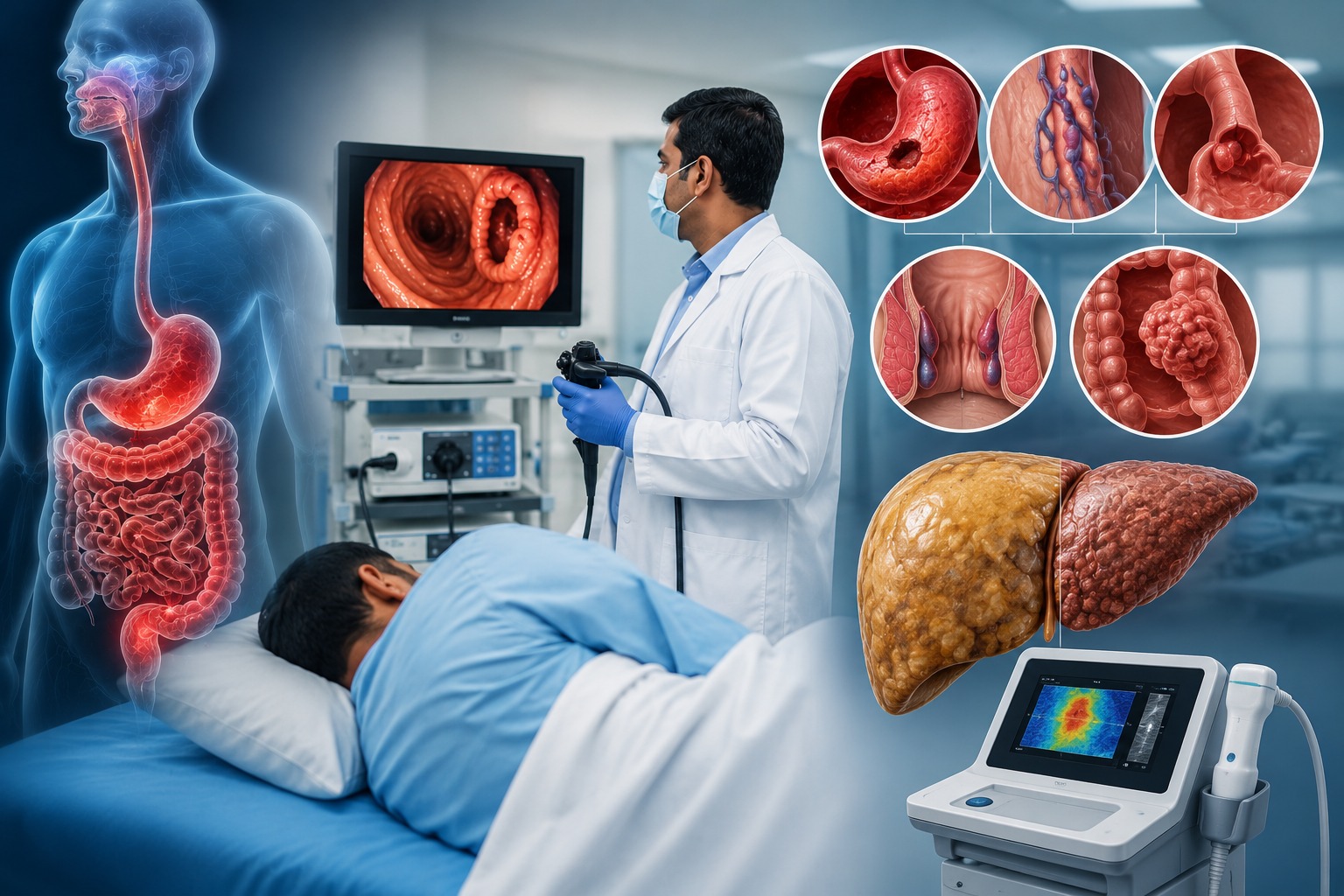
Colour and route together suggest where the bleeding starts. Still, only a scope confirms the source.
| Bleeding pattern | What you see | Usual causes | How urgent | First test |
|---|---|---|---|---|
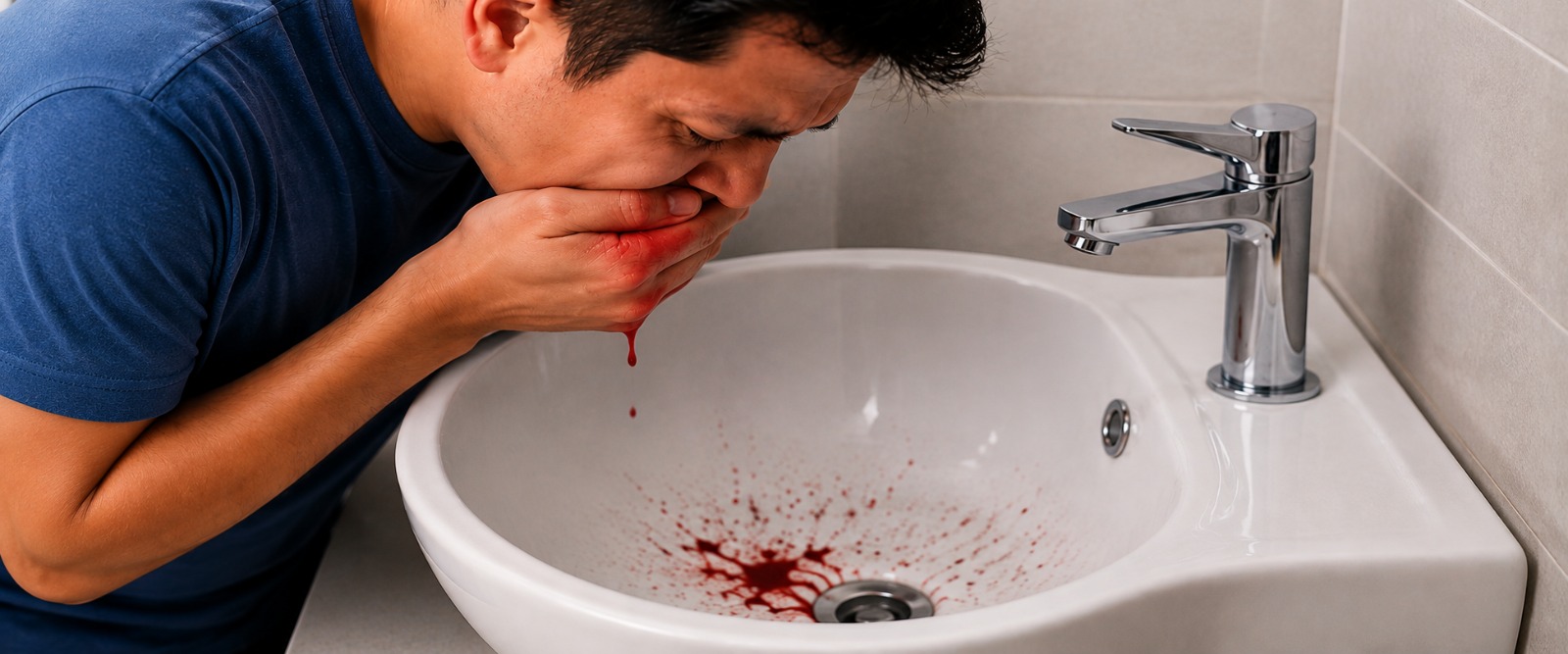
Upper GI · Hematemesis
Vomiting BloodStarts in the food pipe, stomach or duodenum. |
Fresh red blood, or dark coffee-coloured material. | Peptic ulcers and oesophageal varices lead the list. | Emergency Please treat every episode as an emergency. | An upper GI endoscopy, usually within hours. |
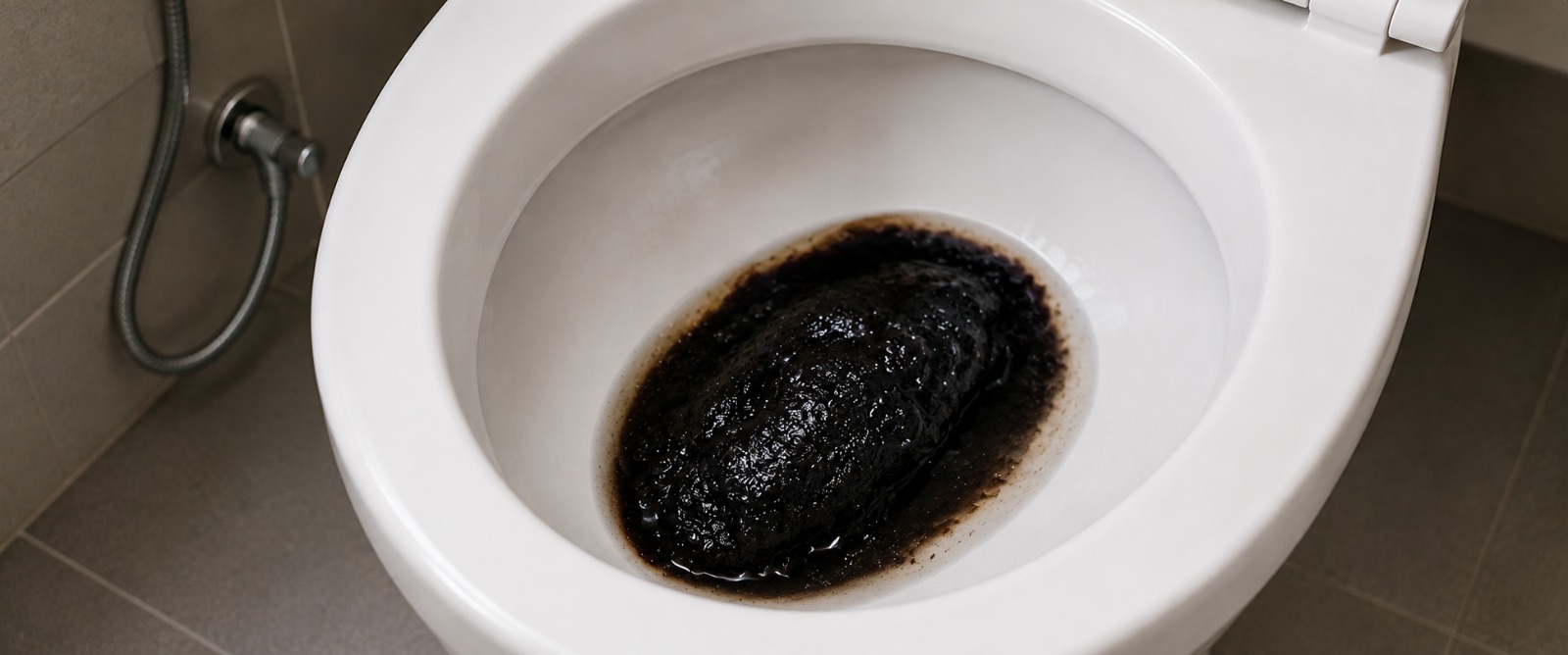
Upper GI · Melena
Black Tarry StoolsAlso the upper tract, above the small intestine. |
Sticky black stool with a strong, foul smell. | A slowly bleeding ulcer, or painkiller-related damage. | Same day Because blood takes hours to darken, bleeding began earlier. | Endoscopy, plus a haemoglobin check. |
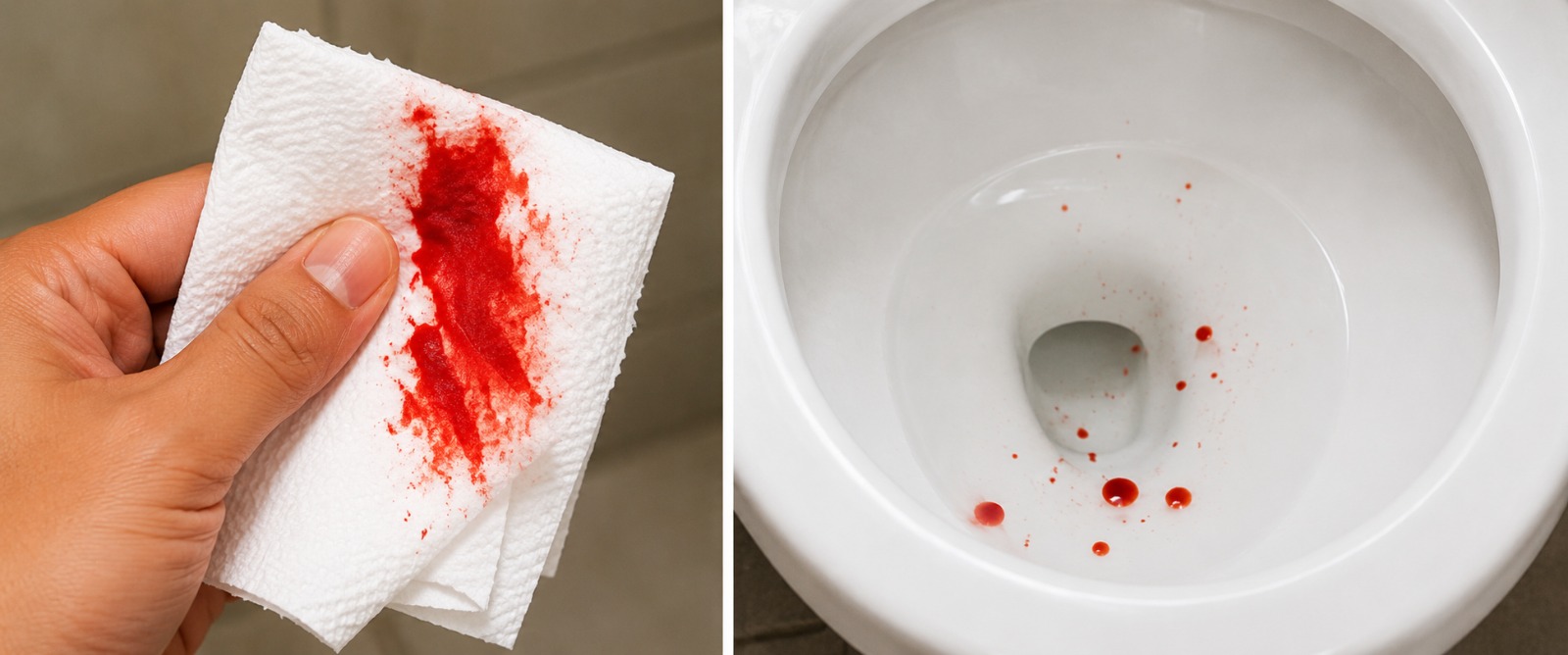
Lower GI · Hematochezia
Fresh Red Blood in StoolsBegins in the colon, rectum or anal canal. |
Bright red blood on the tissue, stool or pan. | Piles and fissures mostly. Yet polyps and colitis mimic them. | Within days Sooner, however, whenever the bleeding runs heavy. | Proctoscopy first. Then a colonoscopy where indicated. |
Nearly everyone arrives having already named the problem. However, the wrong label delays a bleeding diagnosis by months. These six come up most often at our KPHB clinic.
Any blood seen after passing motion
Often a fissure, sometimes a polyp or colitis. Nobody can assume piles without an examination
Black motions blamed on food or iron tablets
Tar-black stool usually means melena — digested blood from a bleeding ulcer higher up
Burning pain settled with a chemist's tablet
An untreated peptic ulcer bleeds eventually. Acid tablets mask the pain while the ulcer deepens
Any blood brought up from the mouth
We separate hematemesis from coughed-up blood and from a nosebleed swallowed overnight
Tiredness and breathlessness, no visible blood
Slow bleeding shows first as iron deficiency anaemia. Iron tablets alone never find the source
Bleeding accepted as part of liver disease
Varices are treatable and preventable. Banding and beta-blockers stop the next episode
These signs all warrant a gastrointestinal bleeding doctor in KPHB. Besides, note where the blood appears and how long it has lasted.
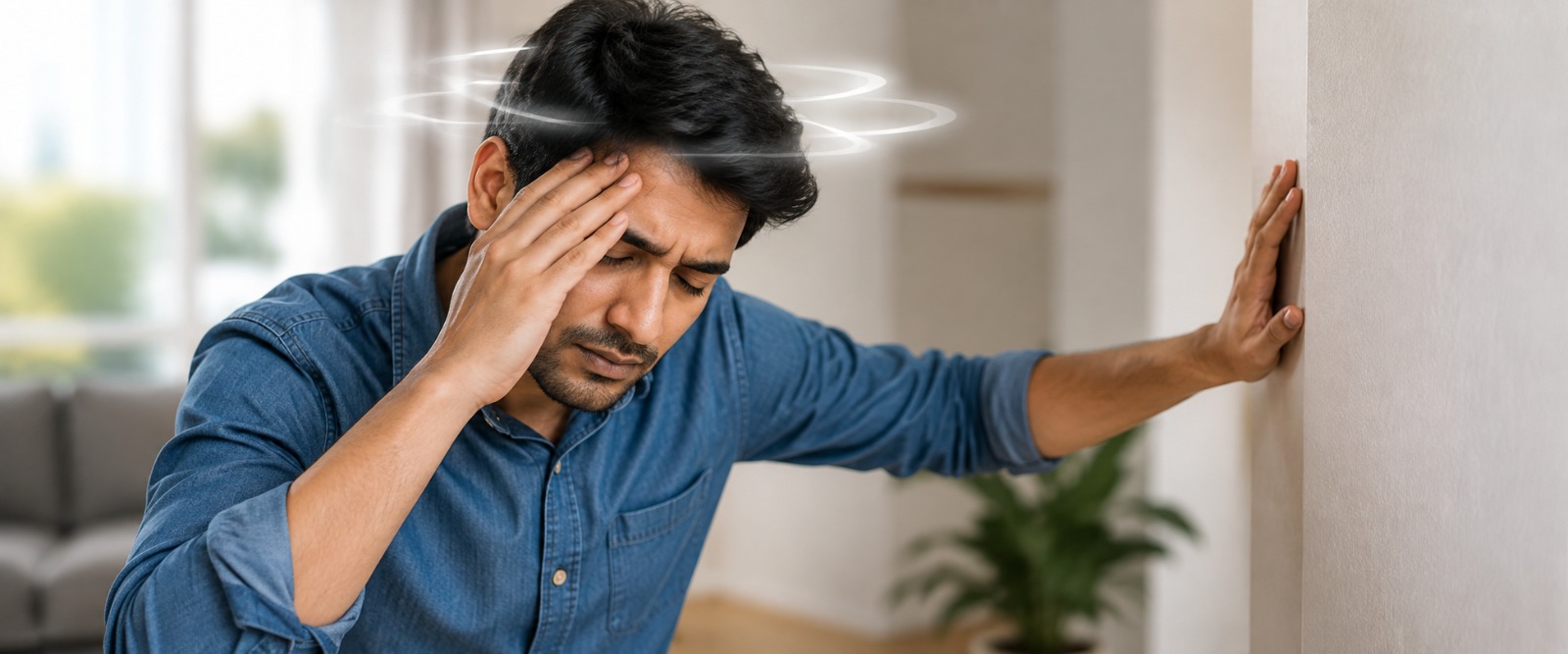
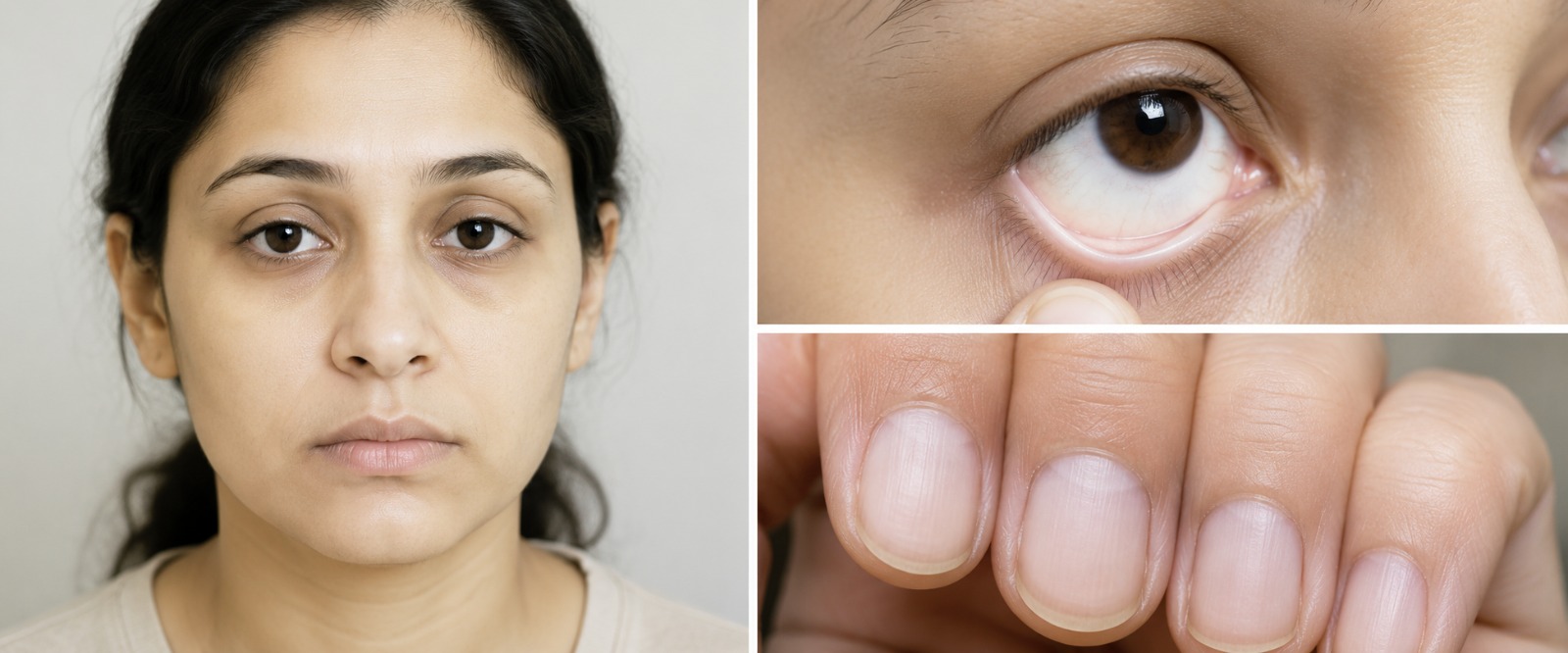
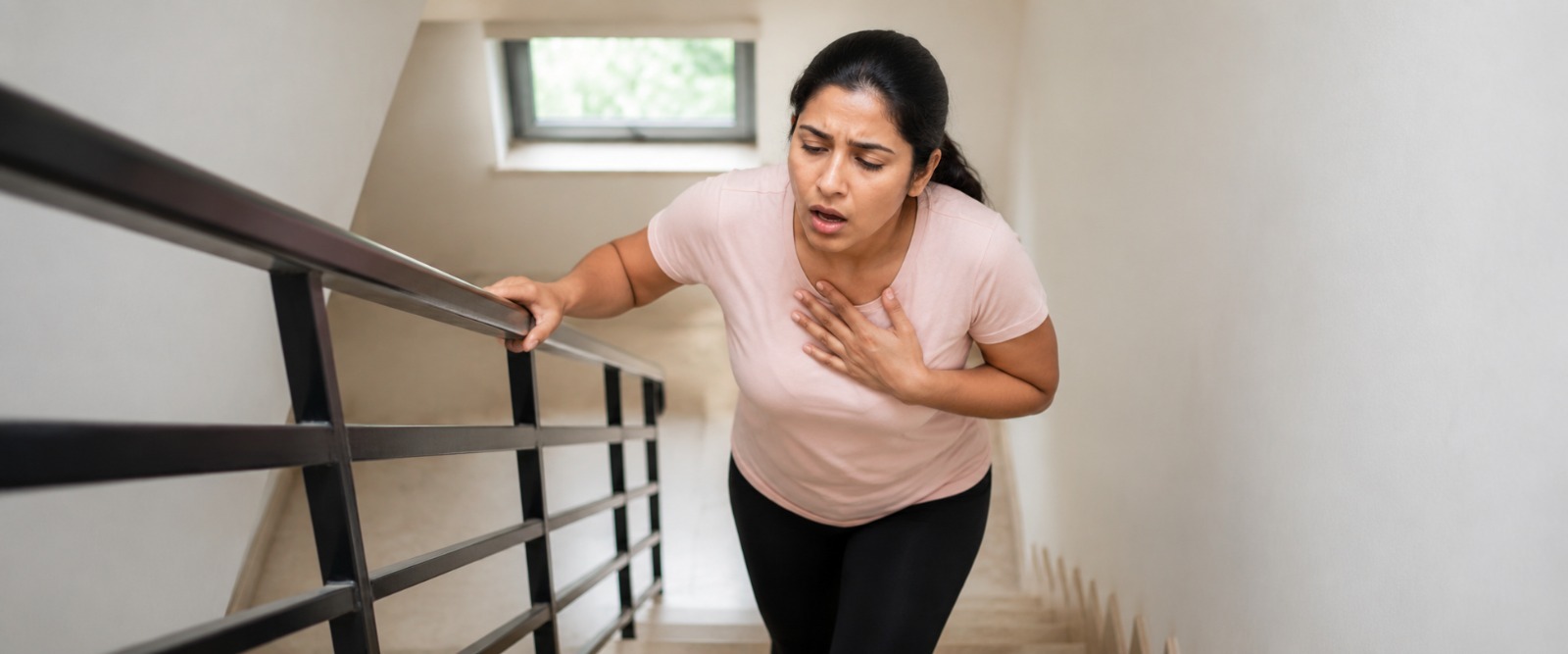
Treating a bleed without its cause invites a repeat. Hence, we work through these drivers together.
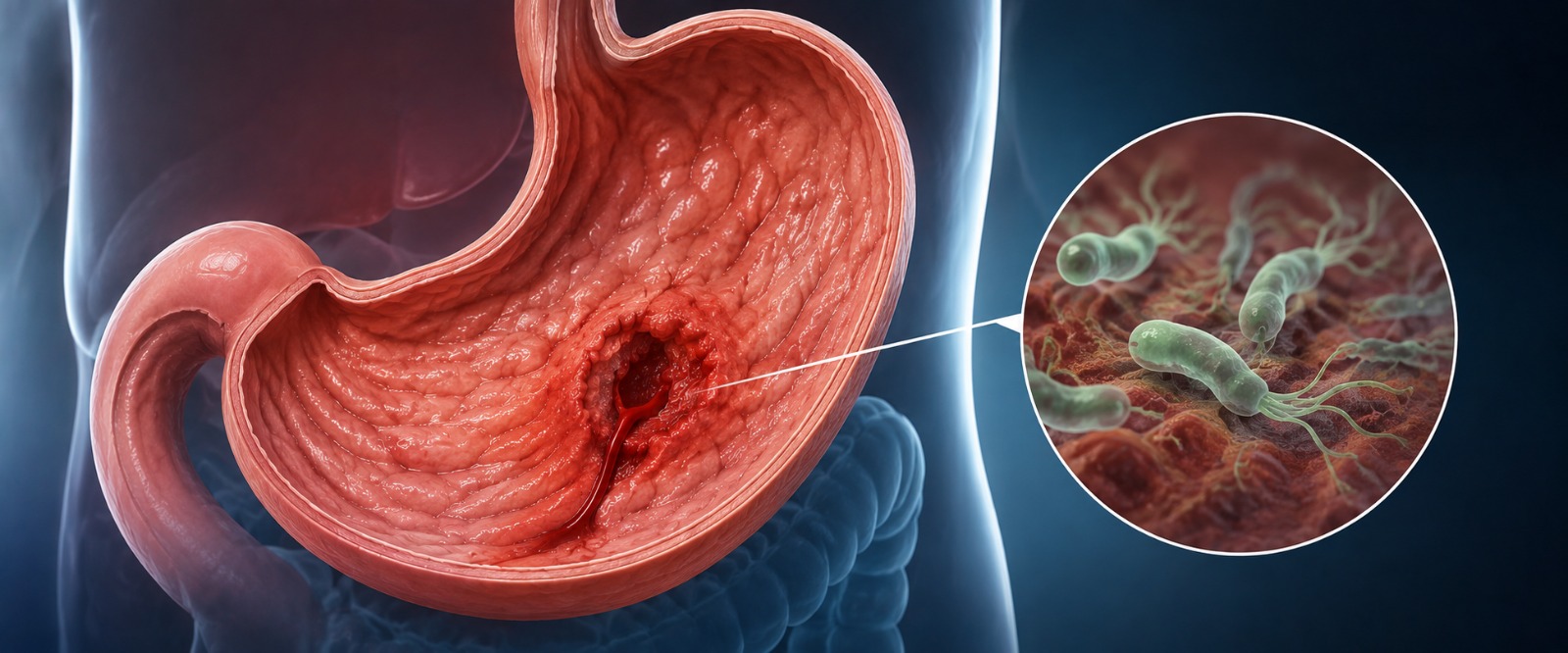
Ulcers remain the single biggest cause worldwide. An ulcer erodes into a vessel and bleeds. Moreover, H. pylori infection drives many of these cases here.
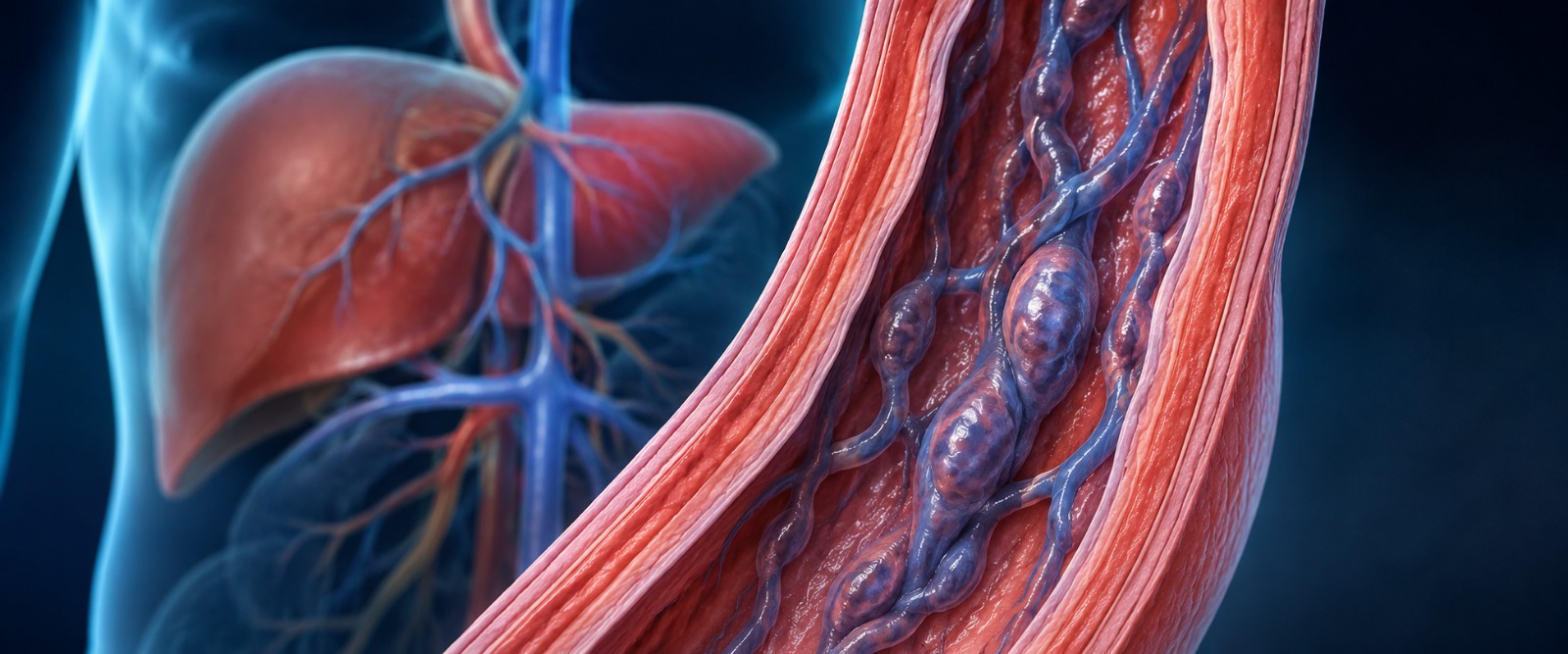
Cirrhosis raises pressure inside the portal vein. Consequently, swollen veins form in the food pipe. These veins bleed heavily once they rupture.
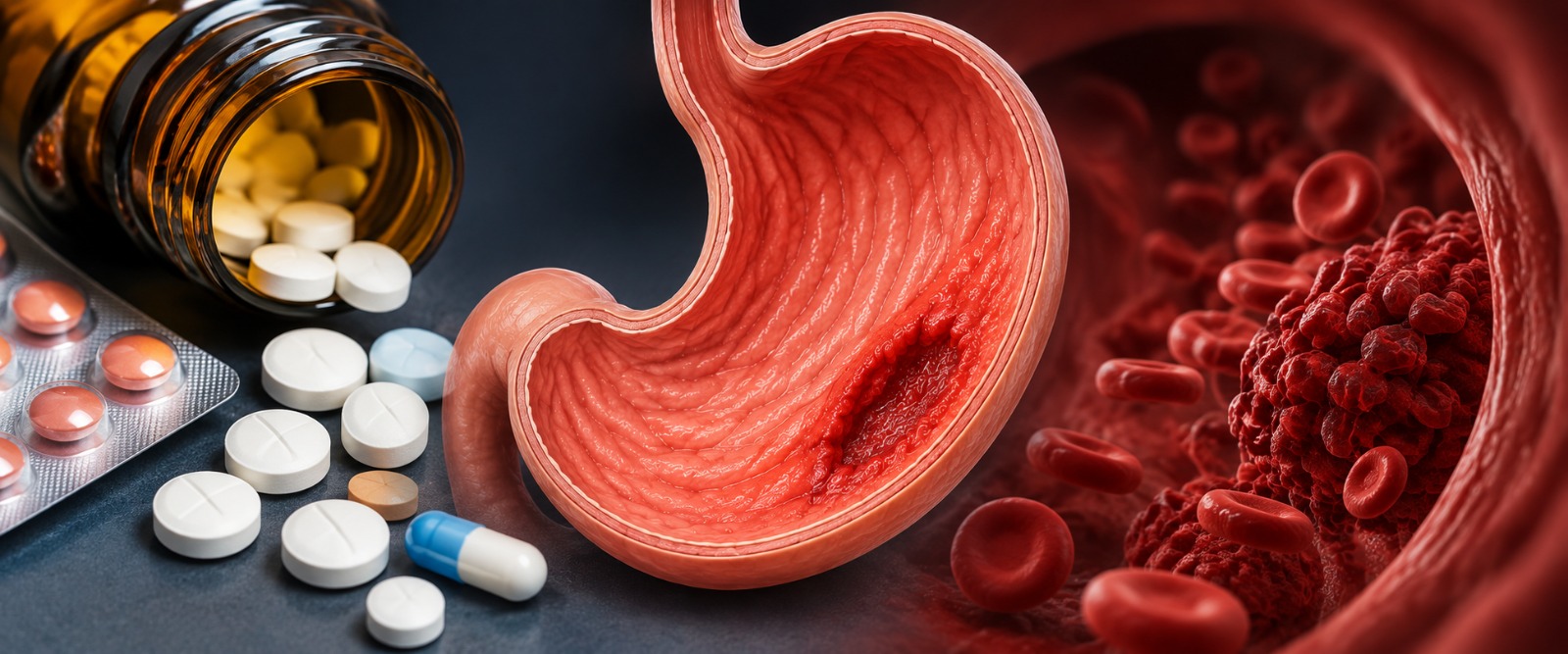
Long-term NSAID use strips the protective stomach lining. Meanwhile, aspirin and anticoagulants raise the bleeding risk further. We review every tablet you take.
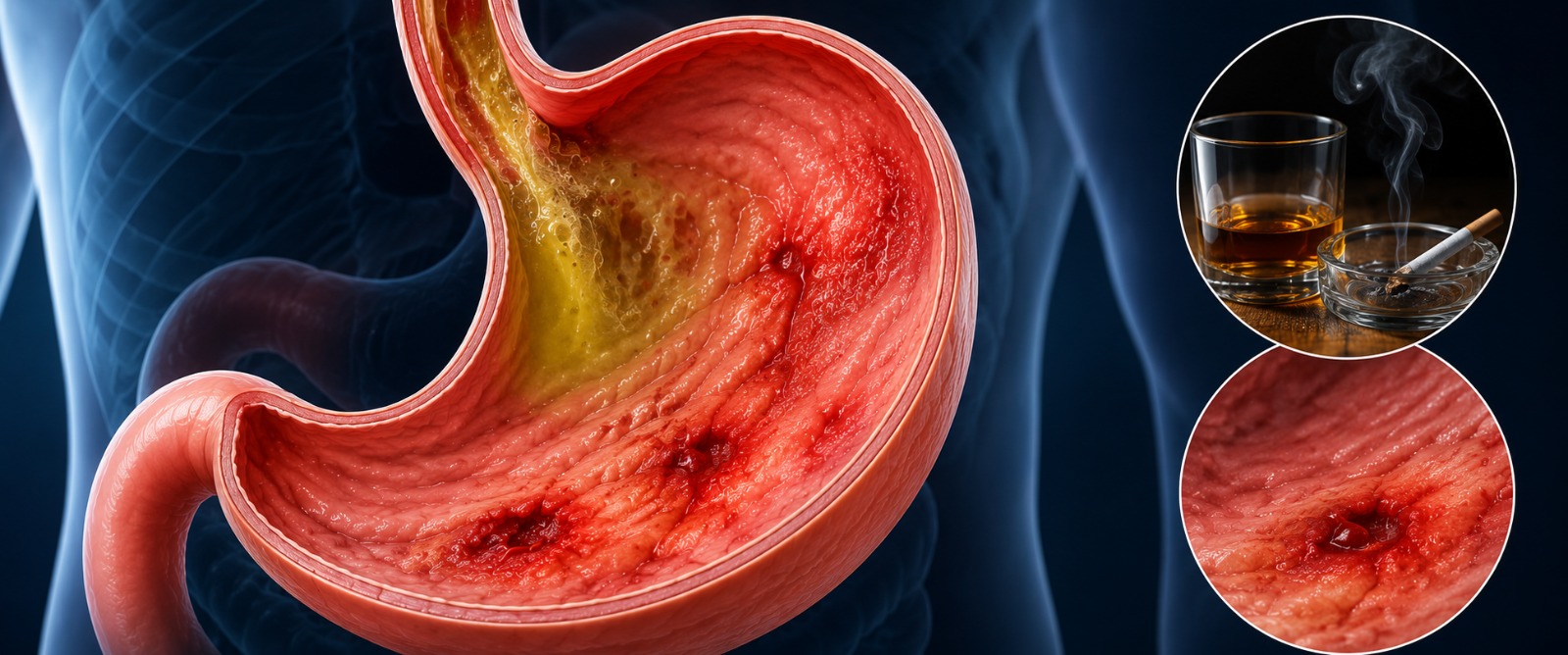
Untreated acid reflux inflames the lining badly. Then small erosions start to ooze. Alcohol and smoking accelerate this damage considerably.
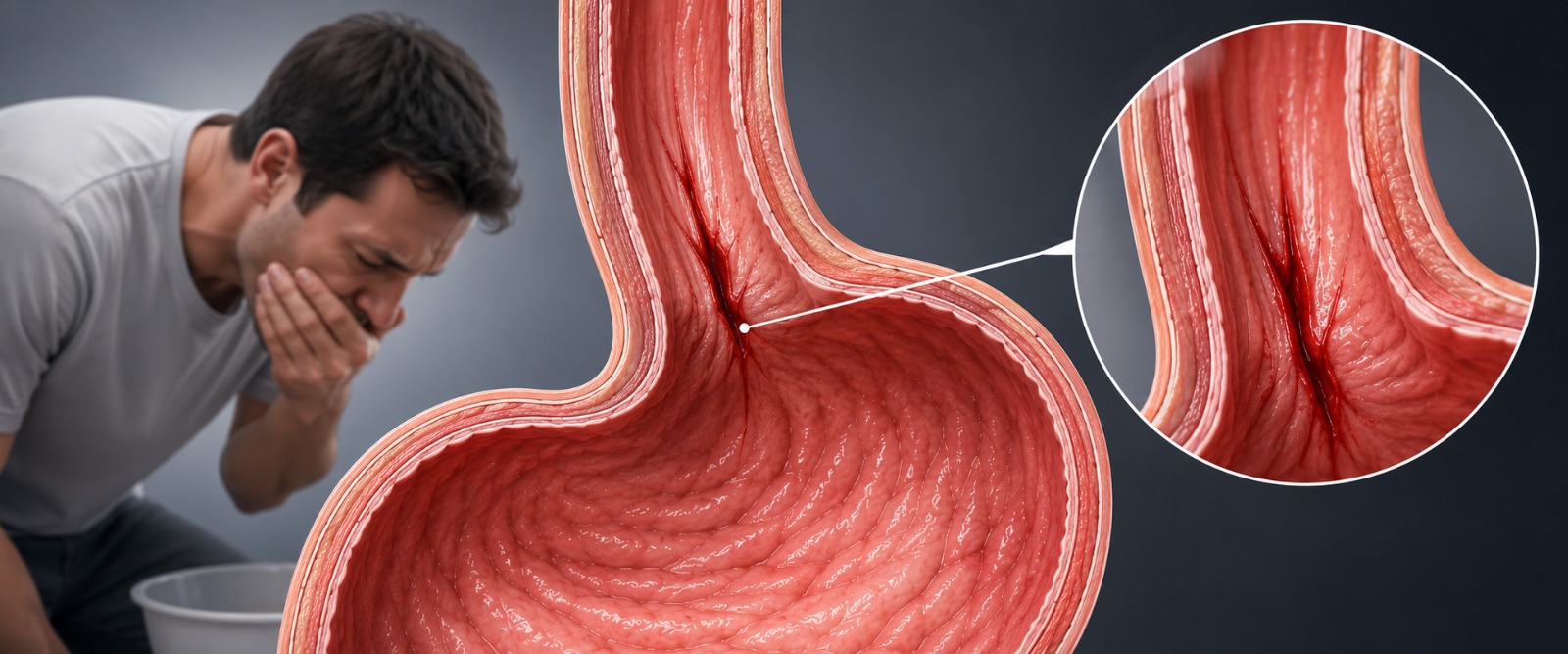
Forceful retching tears the junction between food pipe and stomach. Typically, a heavy drinking session precedes it. Fortunately, most such tears settle on their own.
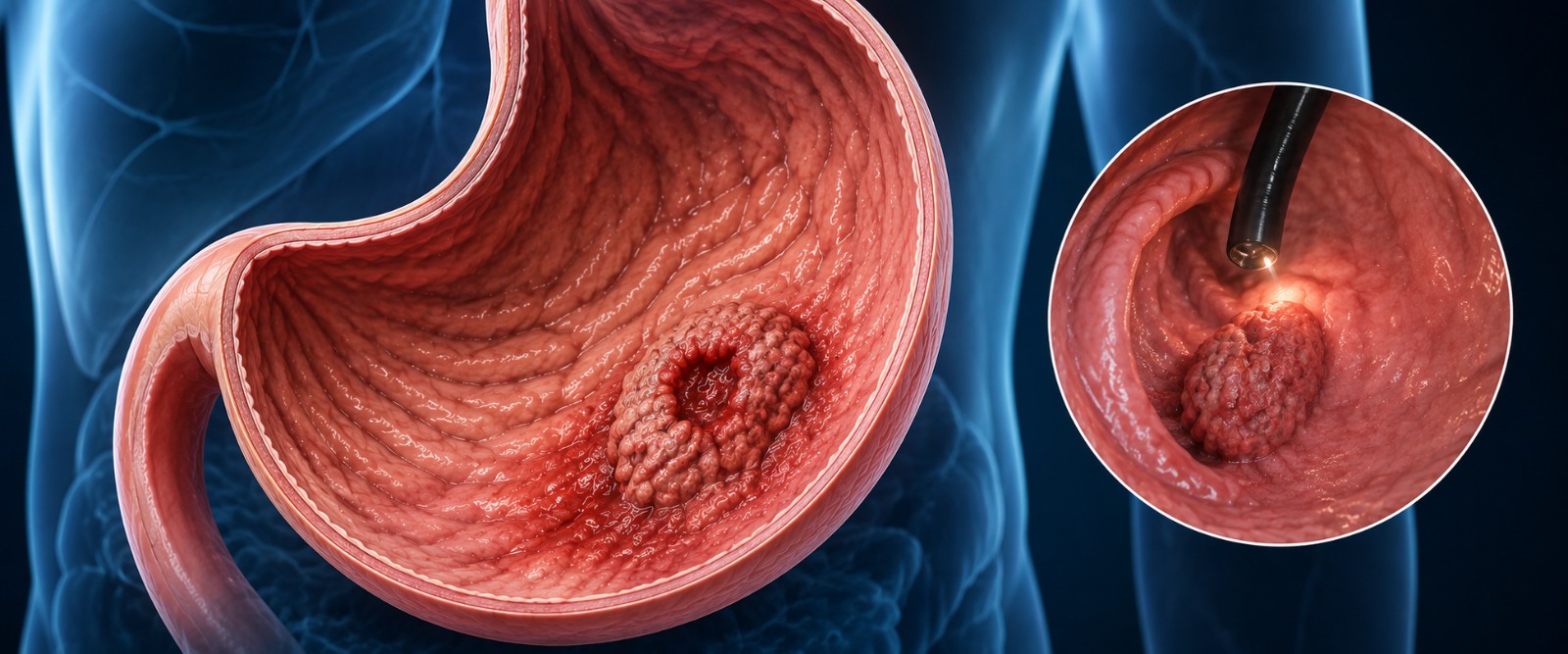
A small share of bleeds trace back to stomach cancer. Weight loss and poor appetite usually accompany it. Therefore, endoscopy with biopsy settles the question early.
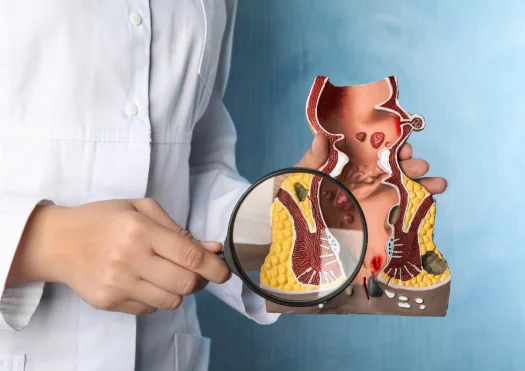
Piles explain most cases. Nevertheless, several other conditions bleed identically.
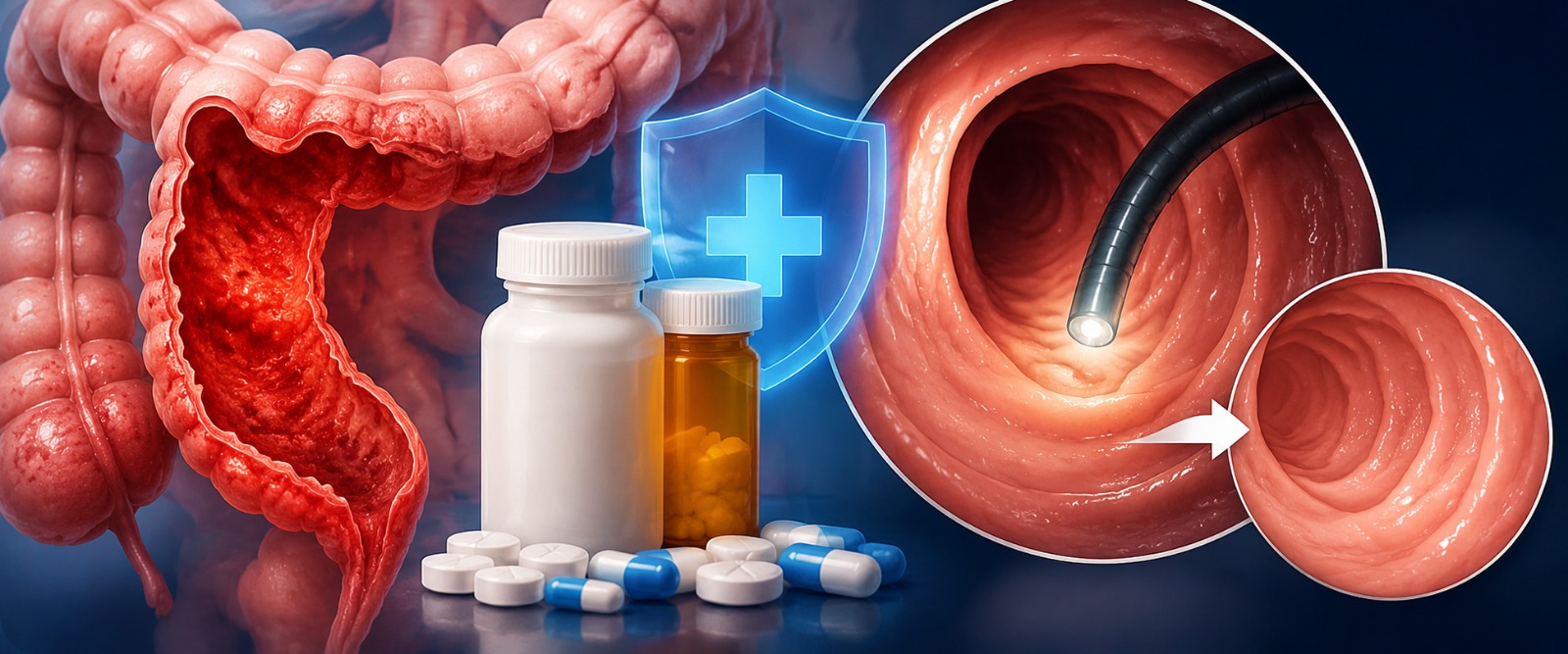
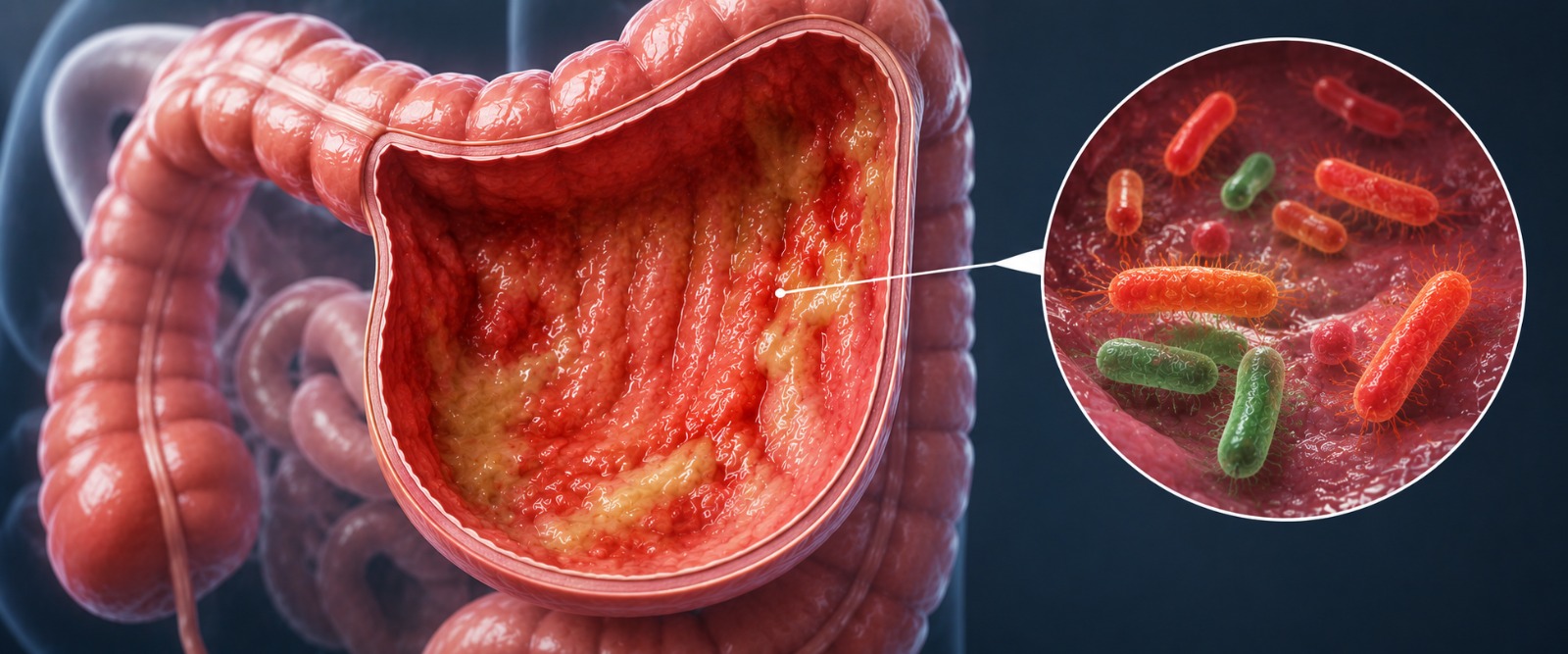
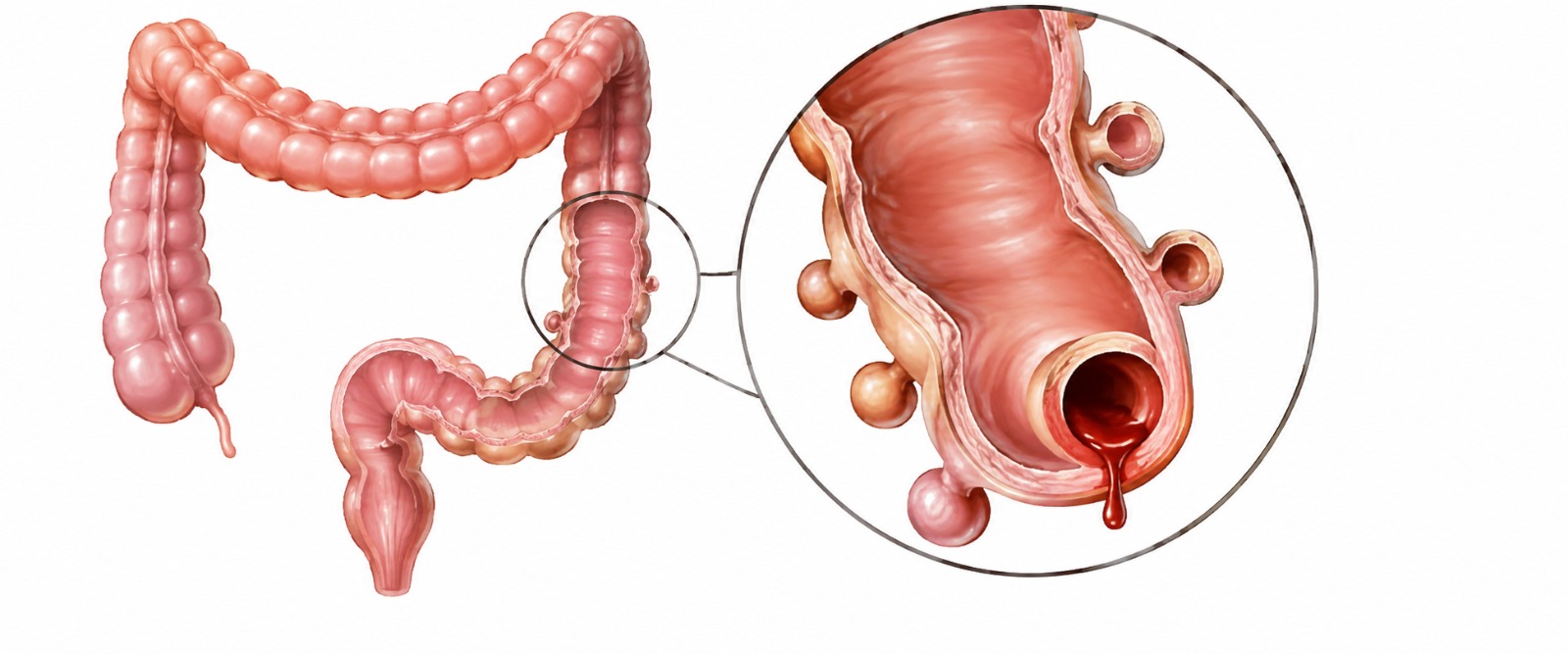
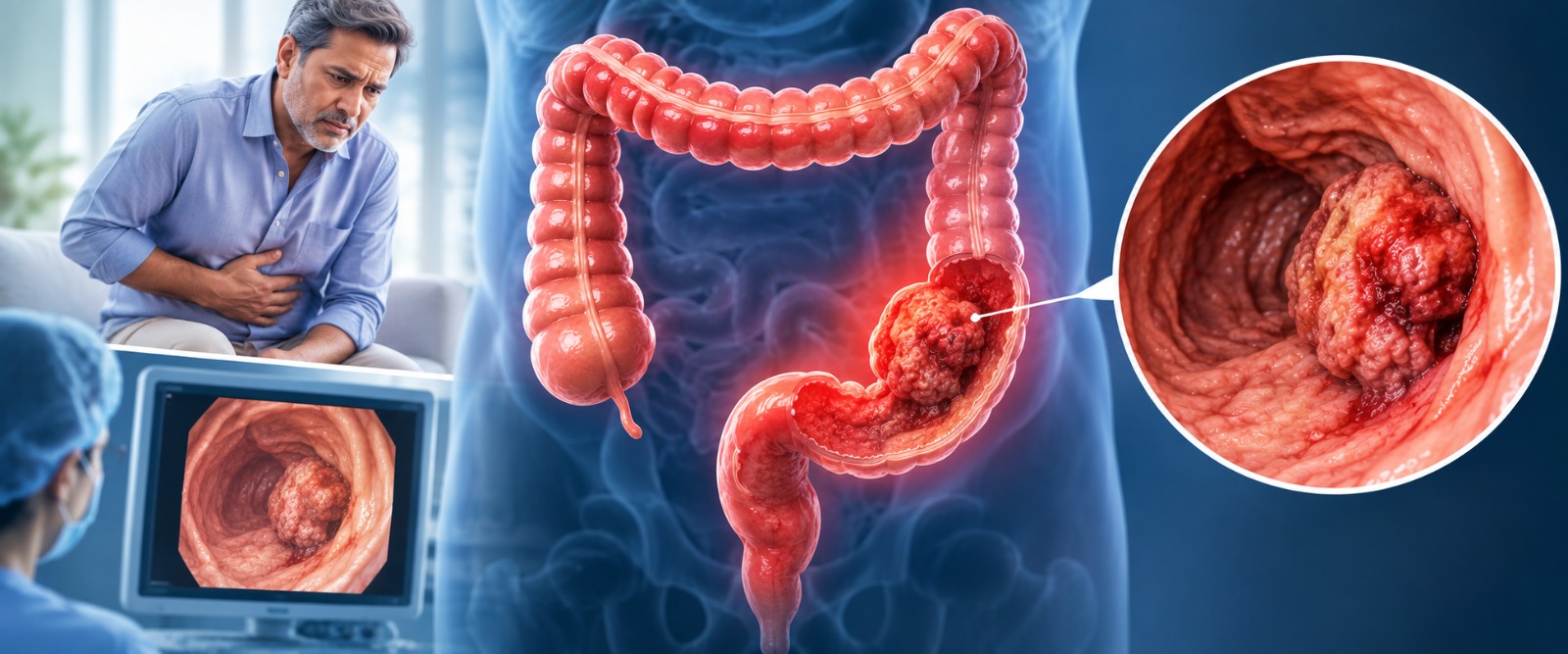
Not every patient needs every test. Instead, each step decides whether the next one follows.
First, we ask what you saw and when. Then we review your tablets, alcohol history and past illnesses. Also, a quick examination checks your pulse, pallor and abdomen.
A haemogram shows how much blood you have lost. Besides, we check liver function, platelets and clotting. These numbers decide how urgently we must act.
Next, a thin camera examines the food pipe, stomach and duodenum. The test takes ten to fifteen minutes. Moreover, we can stop an active bleed during the same sitting.
Fresh red bleeding usually points downwards. So we scope the large bowel as a day-care test. You stay under sedation and go home afterwards.
Because varices grow in a scarred liver, we measure liver stiffness here itself. The scan hurts nothing and finishes in five minutes. Ultrasound then checks the spleen and portal vein.
Finally, you leave with a named cause and a clear plan. Your tablet list gets corrected too. We also state plainly when the next review falls due.
Stomach bleeding treatment in KPHB depends on the source and the blood loss. Accordingly, we choose from the options below.
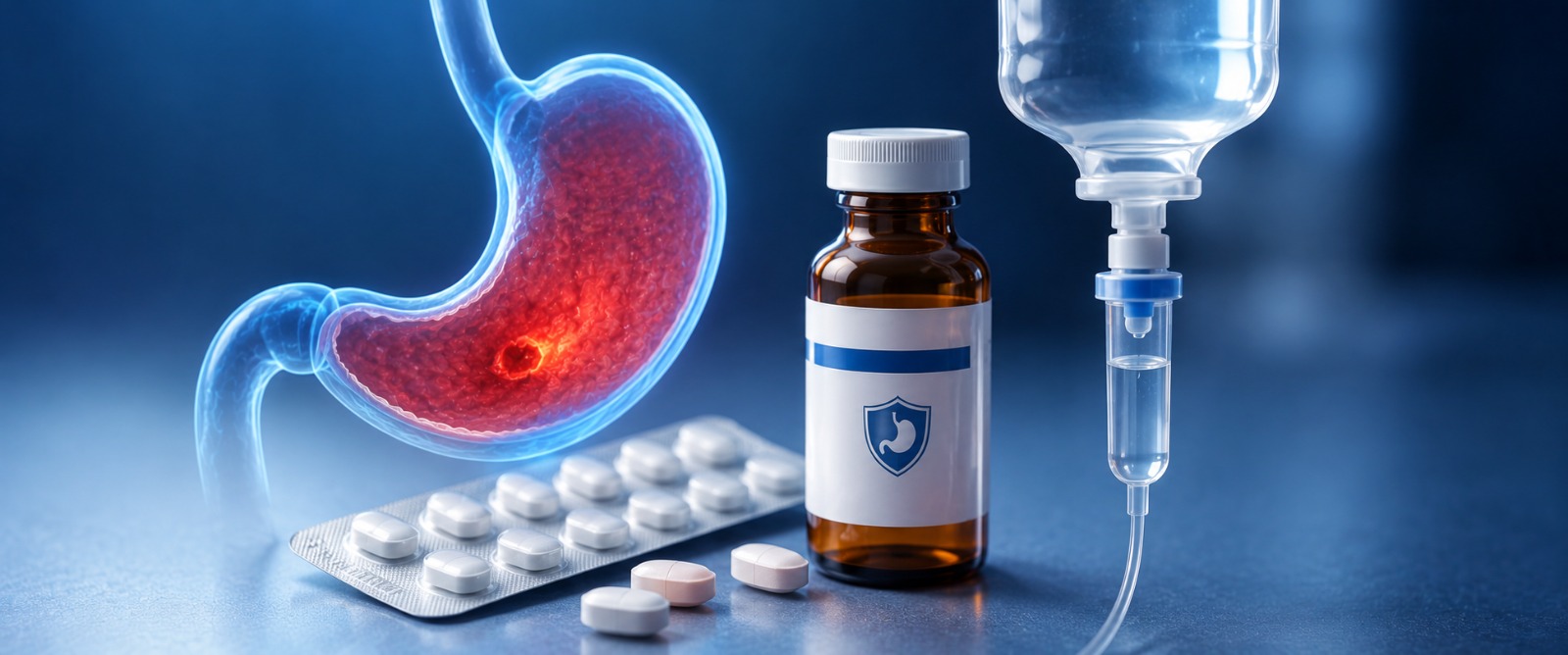
High-dose acid blockers heal the ulcer and steady its base. During an active bleed, we start them by drip. Tablets then continue the healing at home.
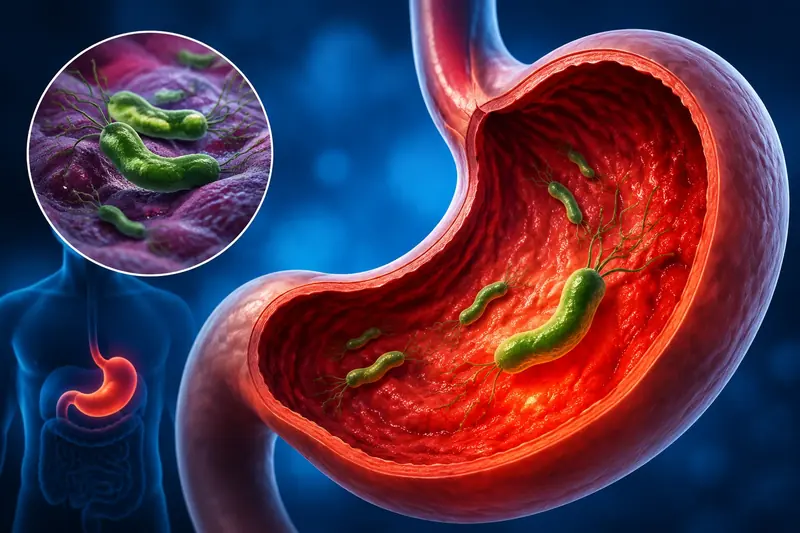
A short antibiotic course clears this stomach infection. Because it drives most ulcers here, eradication sharply cuts the repeat risk. Afterwards, a breath or stool test confirms the cure.
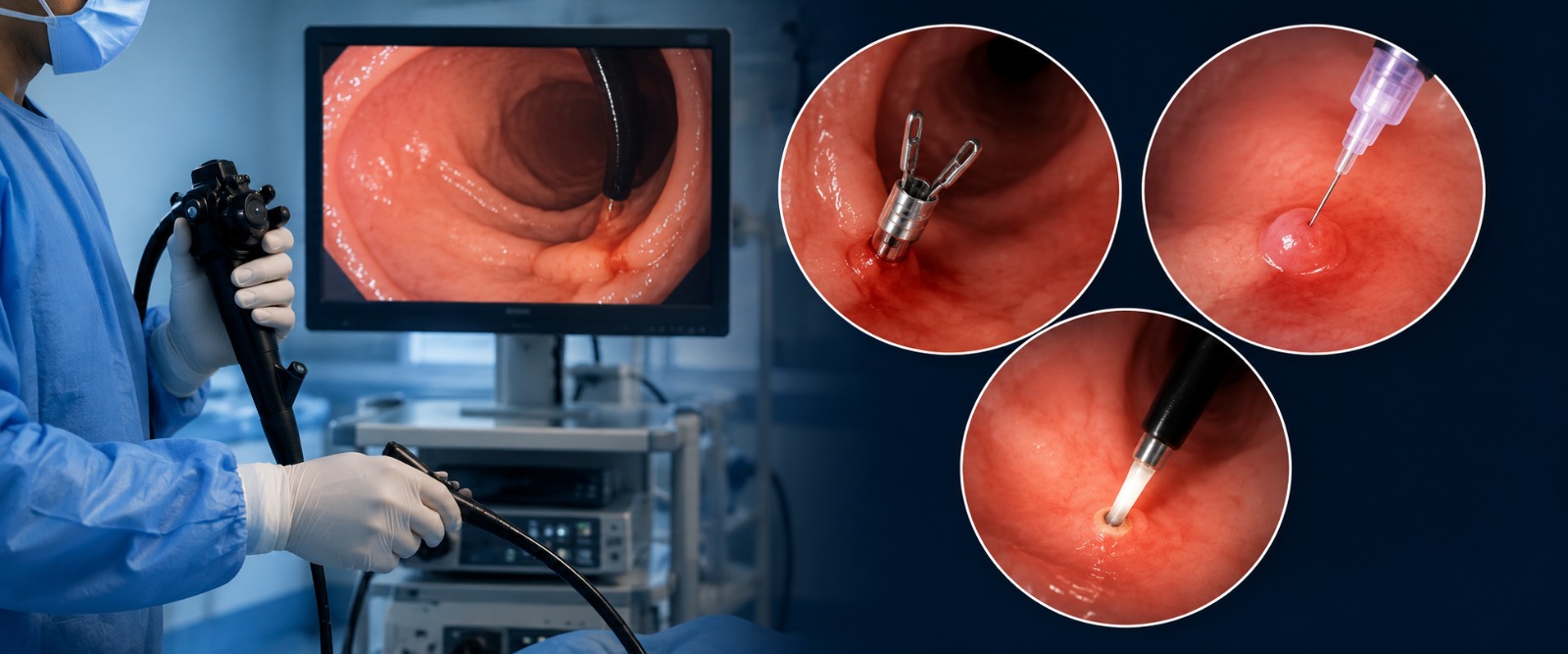
Clips, adrenaline injection or a heat probe seal the bleeding vessel. The scope reaches it directly, so no cutting happens. Moreover, we complete this during the diagnostic endoscopy itself.
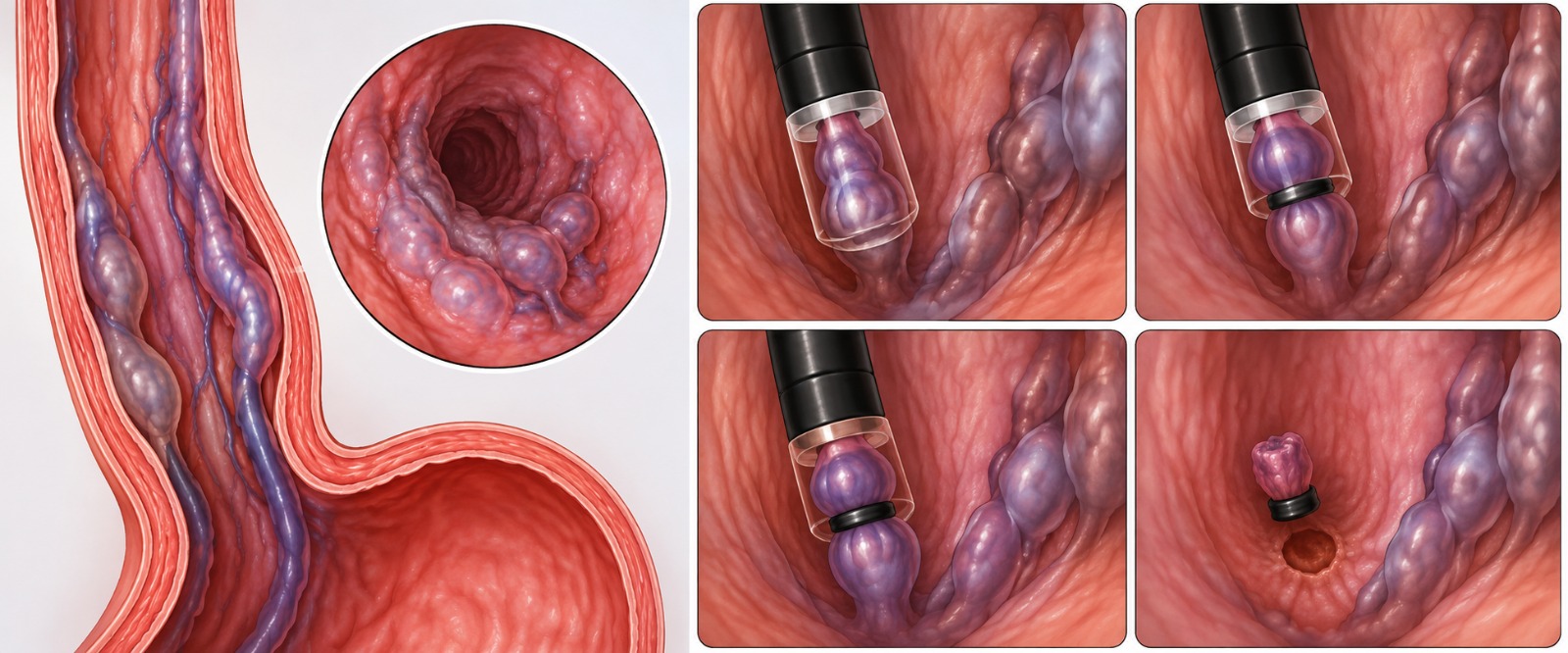
Tiny rubber bands close off swollen veins in the food pipe. Vasoactive drips support the procedure through heavy bleeding. Repeat sessions afterwards clear the remaining varices.
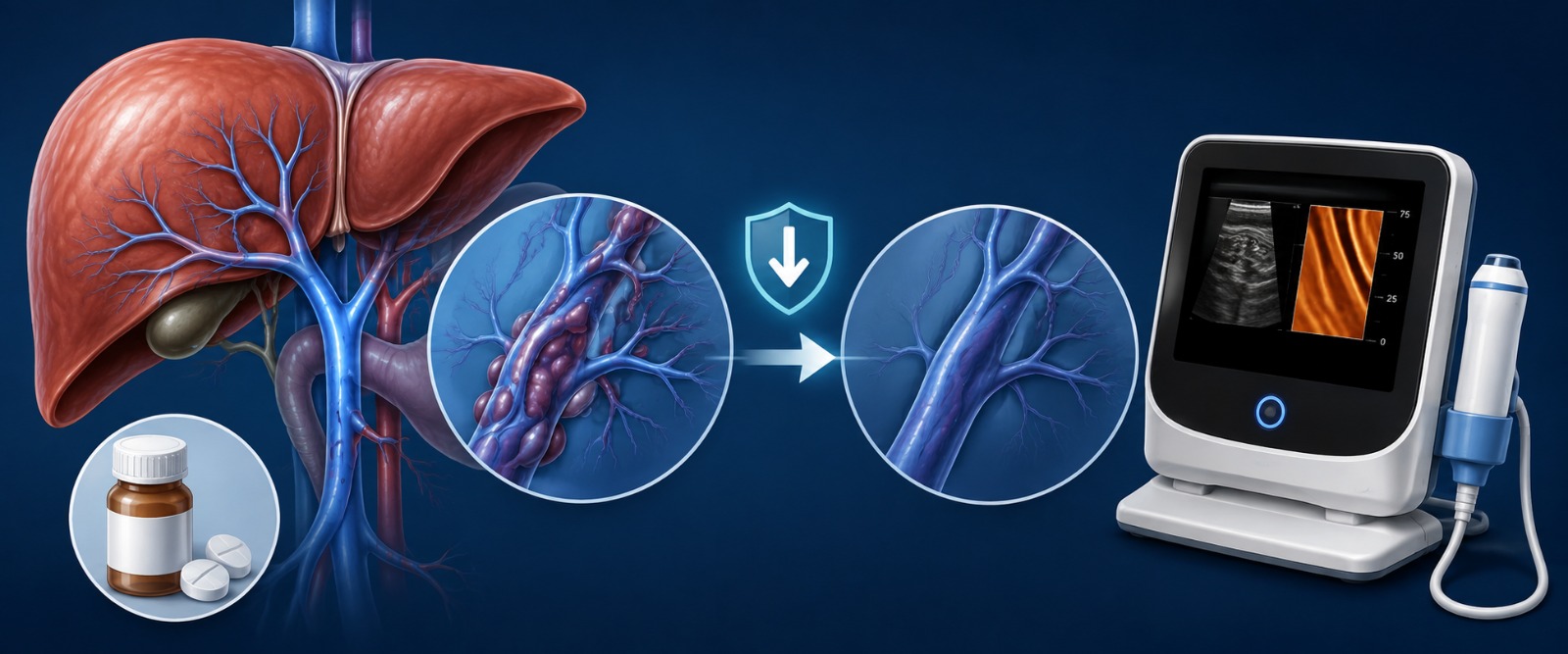
Beta-blockers steadily lower the pressure inside your portal vein. Consequently, varices bleed far less often. We pair this with regular FibroScan monitoring.
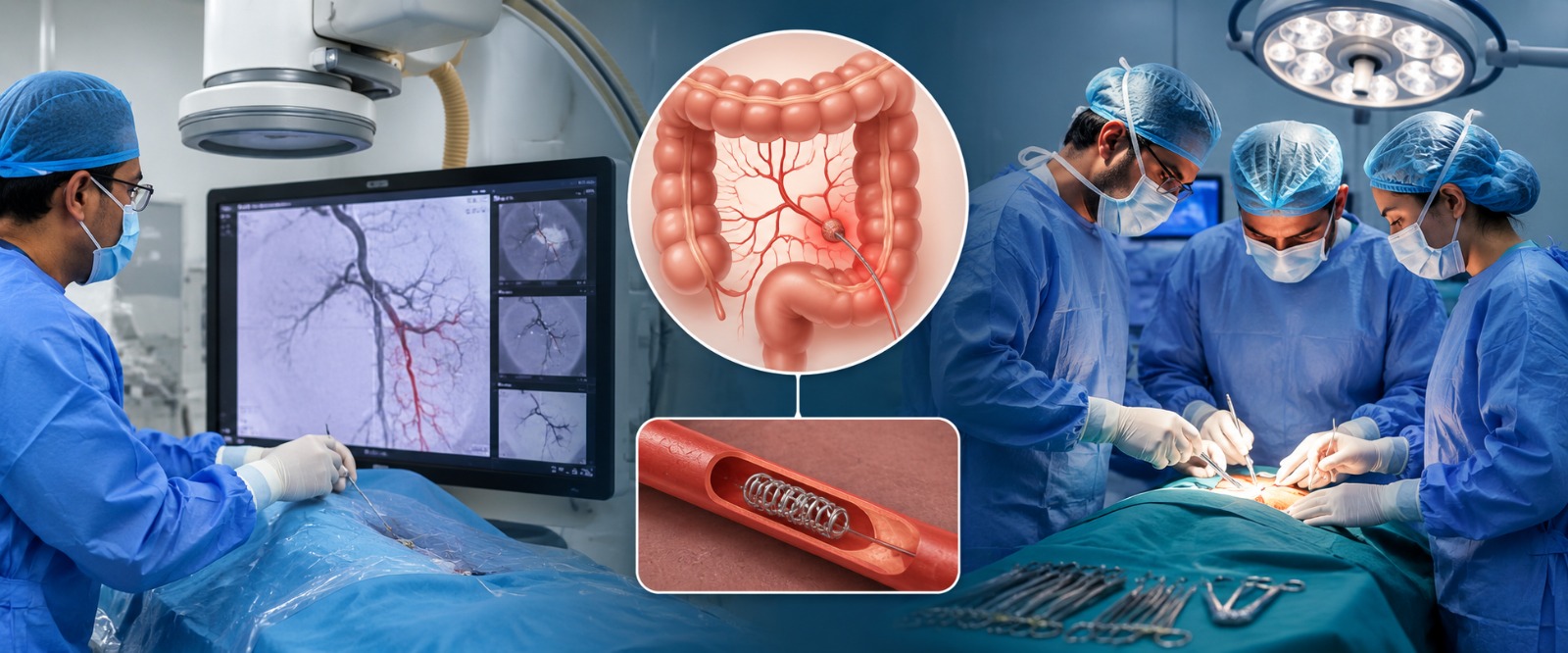
A small number of bleeds resist every endoscopic attempt. Then we refer you for radiological embolisation or surgery. Your diagnosis and reports travel with you.
Alongside any option above: we correct anaemia with iron once the bleeding settles. Severe loss instead needs a transfusion referral. Above all, gastrointestinal bleeding treatment in KPHB targets the cause, never the symptom alone.
GI bleeding treatment in KPHB needs a confirmed source first. Thereafter, we select from these options.
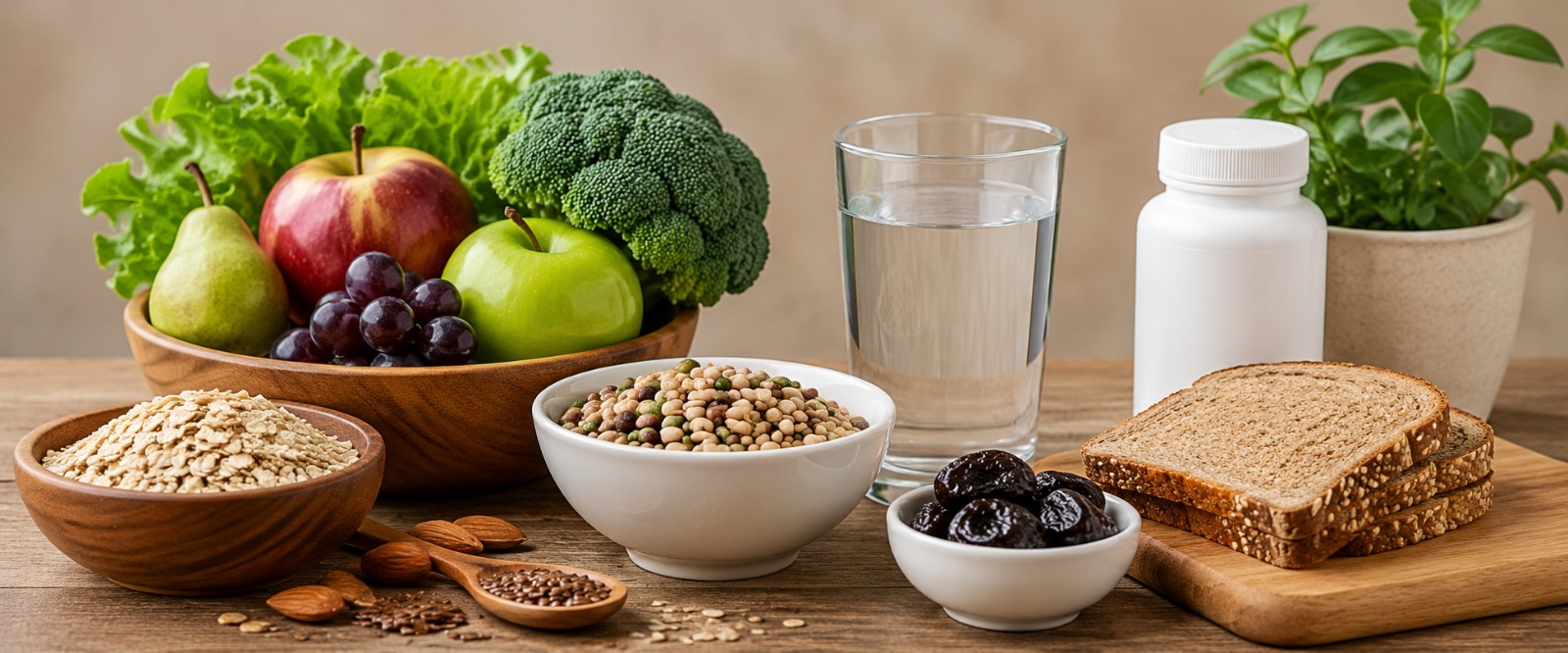
Softer stool stops the tearing that causes most lower tract bleeding. We set a practical fibre target for a Telugu kitchen. Also, a shorter toilet routine lowers the pressure.
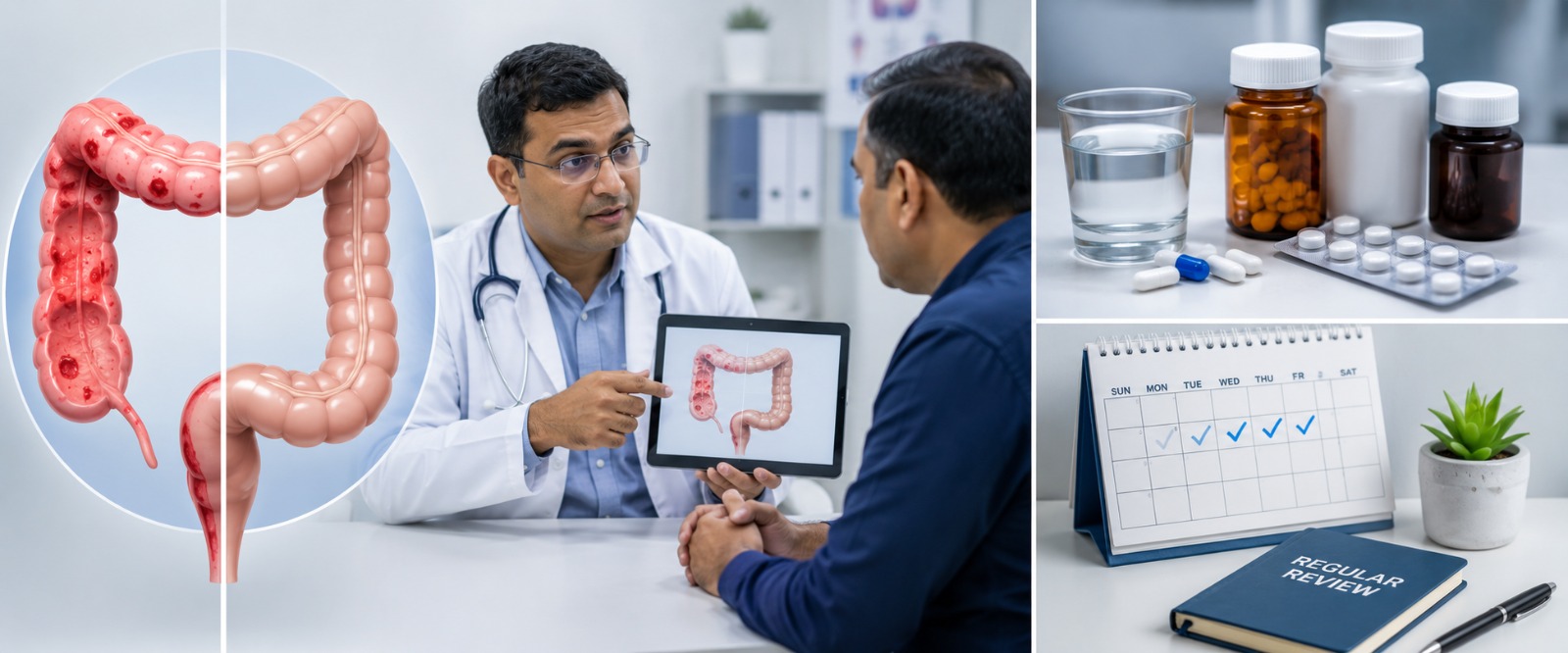
Anti-inflammatory medicines calm an ulcerated bowel lining. We adjust the dose as symptoms settle. Regular review afterwards keeps the disease in remission.
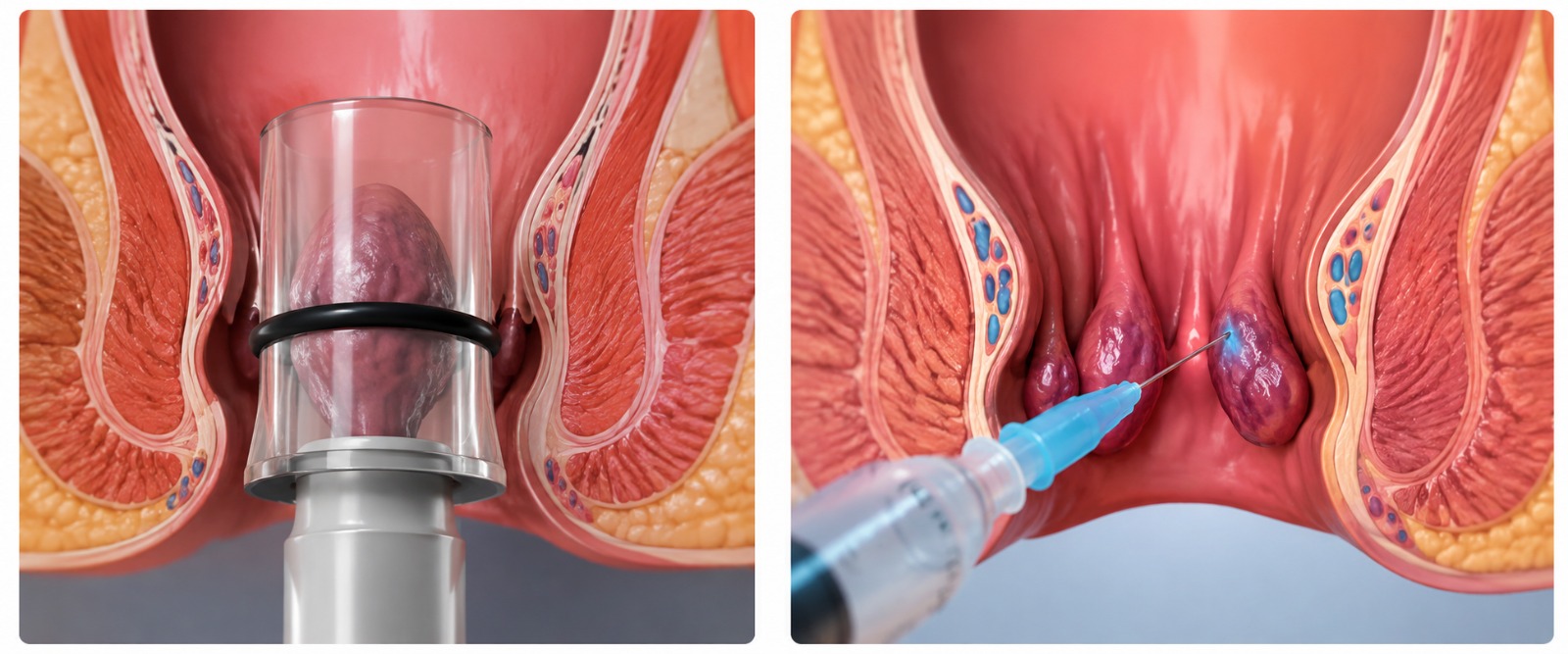
Rubber band ligation suits piles that bleed repeatedly. Alternatively, sclerotherapy handles the smaller ones. Neither option involves cutting or general anaesthesia.
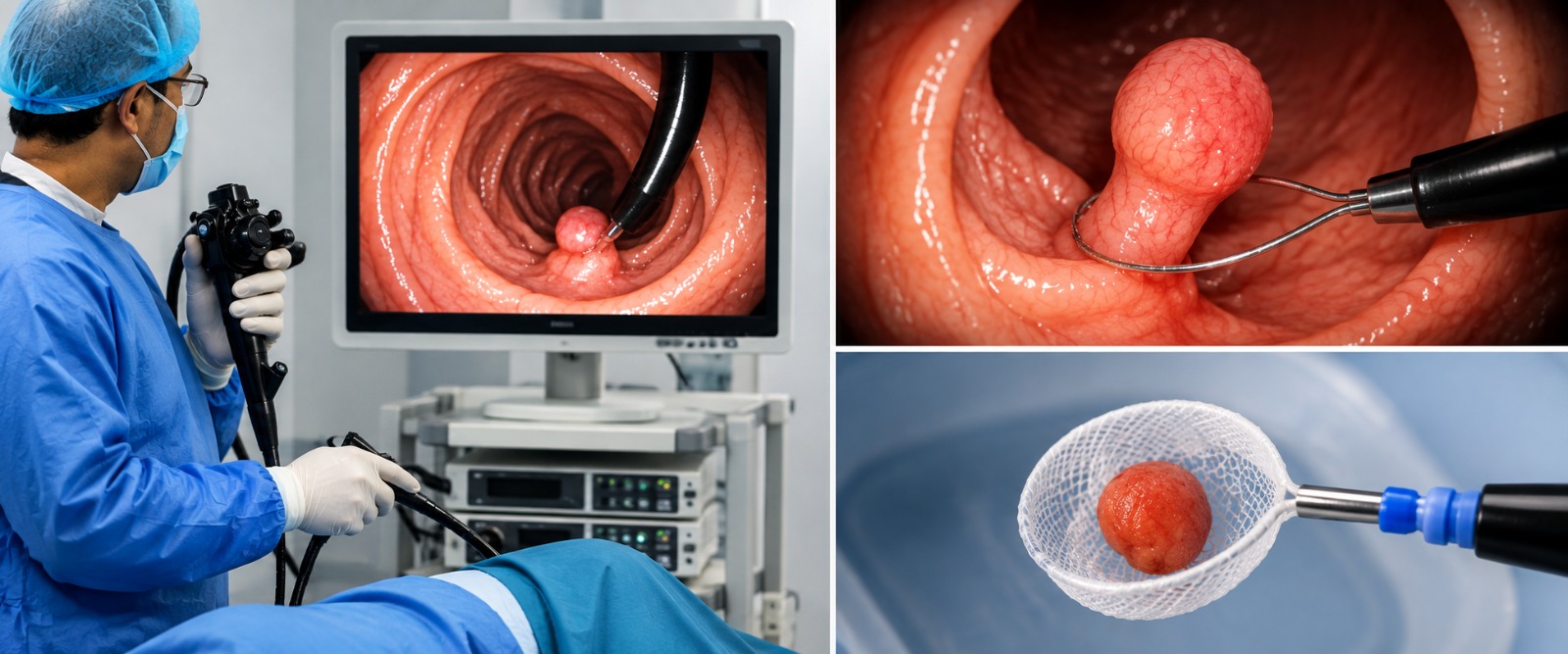
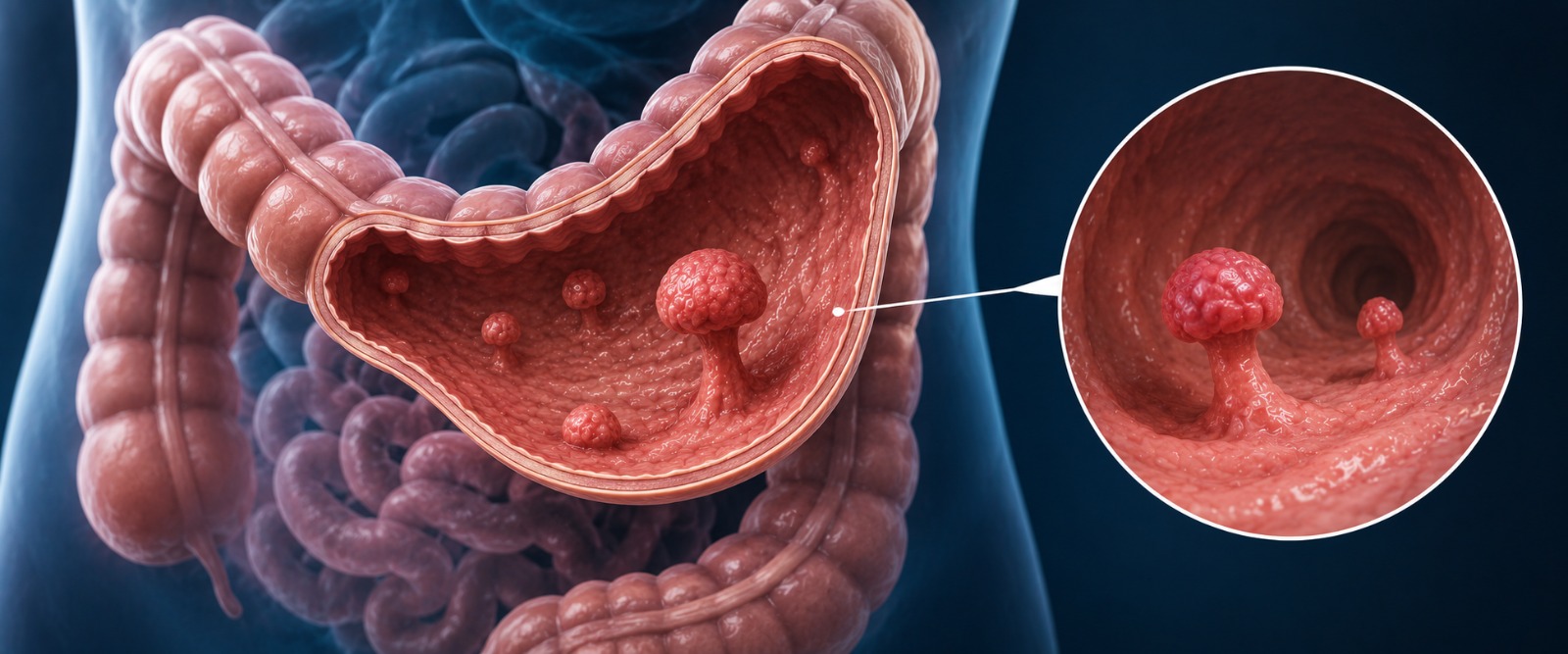
Bleeding polyps come out during the colonoscopy itself. Each sample then goes for biopsy. Removing them also prevents colon cancer later.
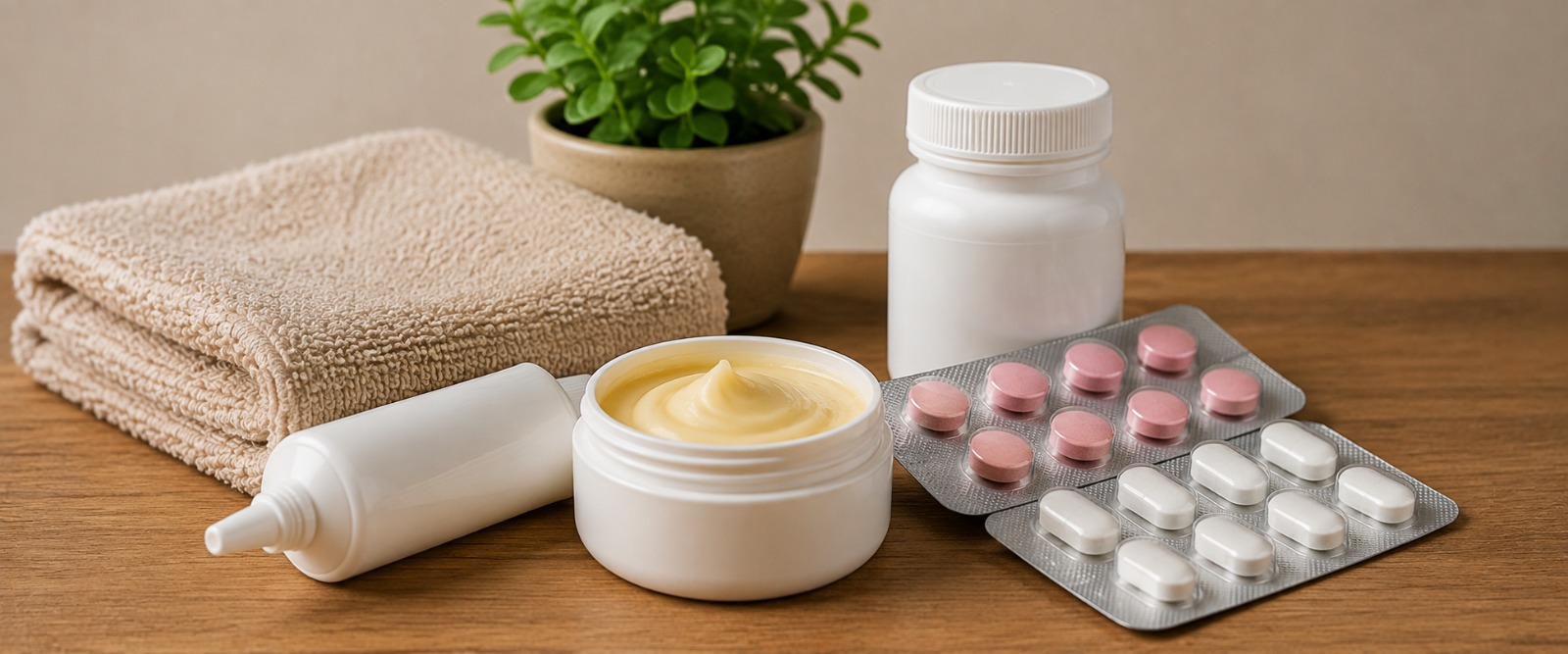
A relaxing ointment restores blood flow to a healing fissure. Meanwhile, oral medicines settle the pain and swelling. Most early cases need nothing further.
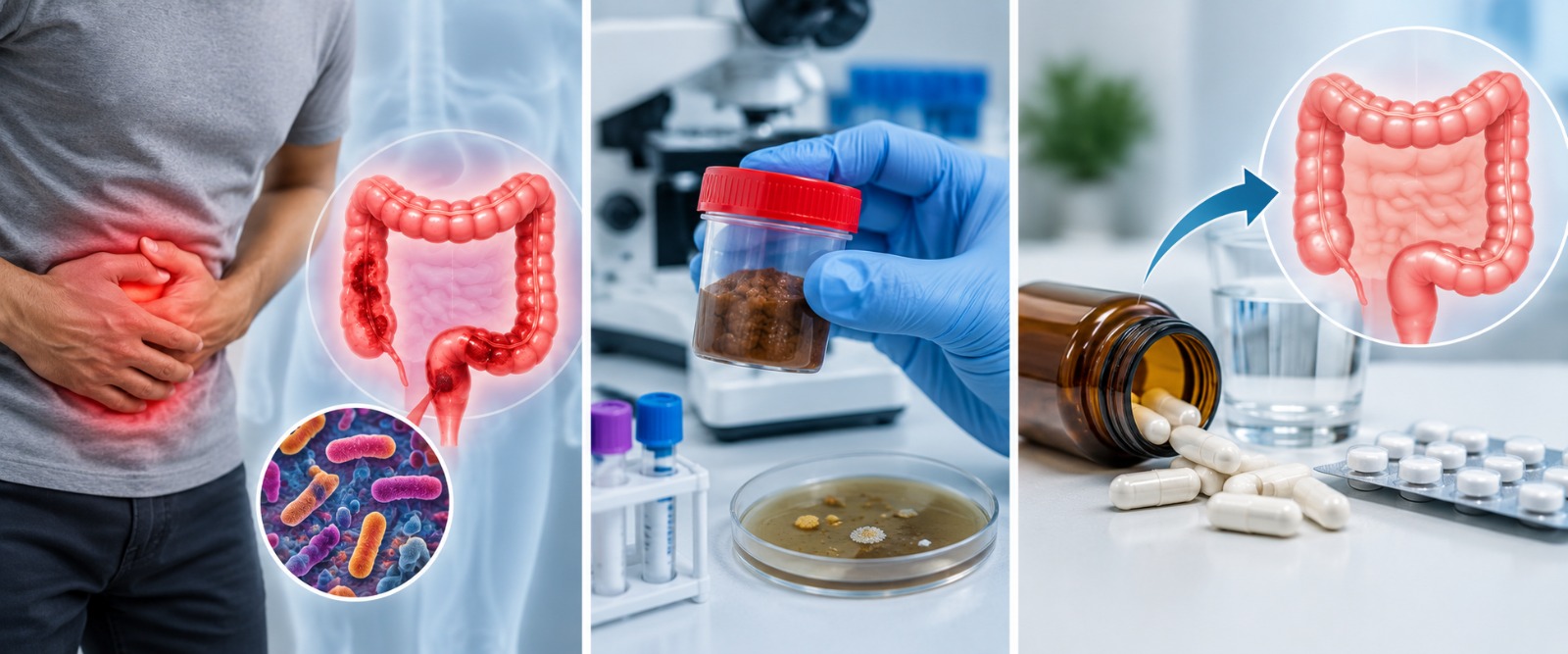
Certain bacteria ulcerate the bowel and cause bloody motions. A stool test identifies the organism first. Then a short, targeted course clears it.
If a biopsy raises concern: we move straight to oncology referral for suspected colorectal cancer. Your scope images, biopsy report and blood results travel with you. Therefore, nothing gets repeated unnecessarily.
Bleeding gets blamed on piles far too readily. Someone hands over an ointment. Another advises waiting it out. Meanwhile, the real source keeps bleeding quietly. Patients reach this gastroenterologist near KPHB from Kukatpally, Miyapur and Nizampet. Others travel further across Hyderabad for GI bleeding treatment under one specialist.
We scope at the KPHB Colony clinic itself. So, you skip the referral chain completely. Also, treatment can happen during the very same sitting.
Varices form silently inside a scarred liver. Hence, we measure stiffness before a bleed ever happens. No second trip across the city becomes necessary.
Bleeding rarely waits for a convenient weekday. Therefore, we run Sunday morning clinics and late evening slots. Working families need not take leave.
The same specialist sees you at every visit. As a result, nothing gets lost between departments. Your reports and your plan stay in one pair of hands.

Consultant Gastroenterologist & Liver Specialist. Advanced Interventional Endoscopist at Gokul Gastro & Liver Care, KPHB. He also consults at Medicover Hospitals, Financial District. As a gastrointestinal bleeding specialist in Hyderabad, he handles emergency and routine cases alike.
Message us with what you saw and when it started. Then we suggest the earliest suitable slot. Also, you can share reports over WhatsApp beforehand. Your consultation stays fully private.
Not always, though every episode needs assessment. Heavy bleeding, giddiness or fainting certainly counts as an emergency.
Meanwhile, a small streak still deserves a proper check within a day or two. Above all, never wait for a second episode.
Black, tarry stool usually indicates bleeding in the stomach or duodenum. Digested blood darkens as it travels through the gut.
However, iron tablets and certain foods darken stools harmlessly too. So an examination separates the two quickly.
No, endoscopy does not hurt. We use a throat spray, and sedation wherever needed. The whole test takes ten to fifteen minutes.
Afterwards, most patients go home the same day. Moreover, we can treat a bleeding point during the very same sitting.
Yes, piles commonly cause bright red bleeding during or after a motion. Even so, never assume piles without an examination.
Polyps, colitis and colon cancer produce identical bleeding. Likewise, any first bleed after forty-five needs a colonoscopy.
Advanced fatty liver can progress to cirrhosis over many years. Cirrhosis then causes varices, which may bleed heavily.
Fortunately, a FibroScan detects this risk long before any bleeding starts. We perform it at the clinic itself.
A DM-qualified gastroenterologist for GI bleeding in KPHB should handle these cases. Dr. Viswanath works as both a blood vomiting doctor and a blood in stools doctor.
Therefore, one specialist manages your scope, your treatment and your follow-up together.
Cost depends on what you actually need. A consultation alone costs least. Endoscopy, colonoscopy, FibroScan or a day-care procedure add to it.
We explain every charge beforehand. Please call 90000 20315 or message us on WhatsApp.