Cirrhosis treatment in KPHB starts with an honest look at how much scarring your liver already
carries. At Gokul Gastro & Liver Care, Dr. Viswanath Kamisetty reads that picture himself,
using an on-site FibroScan, so answers arrive within a single visit.
Every consultation happens with the same DM-qualified specialist, so your plan stays consistent
from the first scan through long-term follow-up — with Sunday OPD and evening slots for
working families.
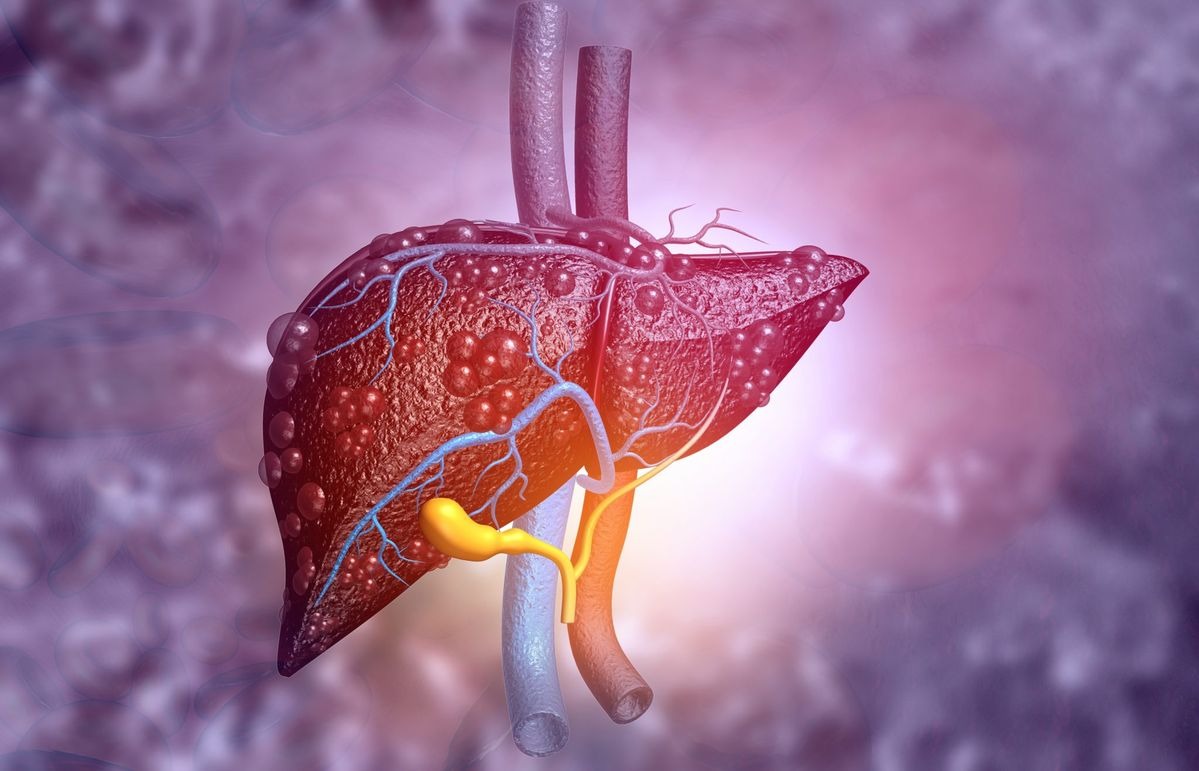
Cirrhosis is advanced scarring inside the liver. Over the years, repeated
injury replaces soft working tissue with stiff fibrous bands — doctors call the earlier,
often reversible stage fibrosis. As scarring builds, blood struggles to flow through the organ,
pressure builds inside the portal vein (portal hypertension), and complications follow.
The liver rarely fails overnight. Instead, it declines through slow, quiet stages, which is
exactly why timely liver cirrhosis treatment in KPHB protects the healthy tissue you still
have. Existing scar tissue cannot be erased, but progression slows dramatically with steady
care — many patients remain stable for decades, so cirrhosis diagnosis in KPHB should
begin as soon as risk factors appear, not after symptoms force the issue.
Compensated and decompensated cirrhosis
Specialists split cirrhosis into two broad stages, and which one you're at changes how urgently
care needs to move.
Compensated cirrhosis
The liver still manages its daily work. Although scarring already exists, you may
feel completely normal, and routine blood tests sometimes look almost
unremarkable — which is exactly why testing shouldn't wait for symptoms.
Decompensated cirrhosis
Behaves very differently. Fluid collects, jaundice appears, and confusion may set in
— at this stage, care shifts quickly towards controlling complications
rather than just monitoring them.
Symptoms
Symptoms that bring patients to a cirrhosis doctor in
KPHB
Symptoms depend heavily on the stage. Early disease hides well; later disease announces itself
loudly.
Tiredness that rest does not fix
Fatigue that lingers no matter how much you sleep.
Loss of appetite or early fullness
Feeling full after just a few bites.
Mild nausea, especially in the mornings
A queasy feeling that's easy to blame on something else.
Dull ache under the right ribs
A heaviness rather than sharp pain.
Unexplained weight loss
Weight dropping without any change in diet or activity.
>
Later signs are harder to miss: yellowing of the eyes and skin, swelling of the abdomen or ankles,
dark urine with pale stools, easy bruising and frequent nosebleeds, itching across the arms and
back, and poor sleep with daytime drowsiness. Relatives often spot trouble before patients do
— slurred words, reversed sleep timings, or spider-like blood vessels across the chest.
Bring these observations to your consultation, because they guide staging.
Causes
Common causes behind liver disease
Cirrhosis has many roots, and identifying the correct one changes everything about your plan.
Alcohol-related liver disease
Regular heavy drinking scars the liver steadily, and binge patterns speed the damage.
Complete abstinence remains the single strongest treatment step here.
Fatty liver and metabolic causes
Fatty liver now drives a large share of cirrhosis across Hyderabad. Diabetes, obesity and
high triglycerides push the process forward, so weight reduction and sugar control form the
backbone of care.
Chronic hepatitis B and C
Both viruses inflame the liver for years without symptoms. Modern antiviral tablets control
hepatitis B and cure most hepatitis C — once the virus settles, scarring often
stabilises.
Autoimmune and biliary conditions
Sometimes the immune system attacks liver cells or bile ducts. Autoimmune hepatitis, primary
biliary cholangitis and sclerosing cholangitis fall into this group, and these patients need
immune-directed medicines rather than antivirals.
Inherited and drug-related causes
Rarely, iron or copper overload damages the organ. Long-term unsupervised painkillers and
certain herbal products also contribute, which is why we review every tablet and powder you
take.
>
Two causes frequently overlap in the same patient — alcohol and fatty liver often act
together, for instance. A proper history matters as much as any scan.
Diagnosis
Cirrhosis diagnosis in KPHB — tests we actually use
Diagnosis blends examination, imaging and blood work, and each test answers a different question.
1
FibroScan for cirrhosis
Measures liver stiffness painlessly — the technology behind it is called
elastography. The probe rests on your skin, the reading takes roughly ten minutes, and
it needs no needle, no dye and no sedation. Run on site, so you avoid a second
appointment elsewhere, and stiffness values track your progress over the following
years.
2
Blood tests and staging scores
Liver function tests reveal bilirubin, albumin and enzyme patterns. Platelet counts hint
at portal pressure, and clotting times show how well the liver still manufactures
proteins.
3
Child-Pugh and MELD scoring
These scores convert your results into a stage. Child-Pugh grades severity from A to C;
MELD predicts risk and guides transplant timing. Both shape how aggressively we
treat.
4
Ultrasound abdomen
Checks liver texture, spleen size and fluid — the first imaging step in almost
every workup.
5
Endoscopy and further imaging
Upper GI endoscopy looks for varices in the food pipe. Occasionally, a CT scan or MRI
adds detail before advanced decisions.
Treatment
Cirrhosis treatment in KPHB — your options
Treatment never follows one fixed script. Instead, we match options to your cause, stage and other
illnesses — advanced cases often combine several of these tracks together.
Cause-directed therapy
Chosen when a specific driver is identified. Antivirals for hepatitis,
steroids for autoimmune disease, or structured alcohol de-addiction
support — whichever matches the cause behind your scarring.
Metabolic correction
Chosen when fatty liver or diabetes drives the scarring. Graded weight loss,
insulin-sensitising medicines and a supervised activity plan, built
around what you can realistically sustain.
Portal pressure control
Chosen when varices or fluid appear. Beta blockers, diuretics and salt
restriction, adjusted at every review — for ascites specifically,
tense or resistant fluid may need therapeutic drainage, and daily home
weighing catches a fluid gain before your waistband does.
Endoscopic therapy
Chosen when varices look fragile or have already bled. Band ligation
sessions, repeated until the veins are obliterated — screening
endoscopy matters even when you feel entirely well, since high portal
pressure can swell these veins without warning.
Nutritional rescue
Chosen when muscle loss accompanies cirrhosis. Protein-adequate meals, late-
evening snacks and correction of vitamin deficiencies, built around
protecting the muscle you still have.
Transplant referral
Chosen when the liver can no longer sustain function. Timely referral to a
transplant centre, with complete documentation prepared here rather than
assembled under pressure later.
>
Hepatic encephalopathy — brain fog caused by toxins the liver cannot clear, with sleep reversal
usually the earliest clue — responds well to lactulose and rifaximin. A few habits prevent
most setbacks between reviews: take every prescribed dose on time, check your weight each morning,
avoid painkillers unless we approve them, treat infections early rather than waiting, and attend
every scheduled review, even during good phases.
Dr. Viswanath Kamisetty holds MBBS, MD and DM in Medical Gastroenterology. As a practising
hepatologist in KPHB, he manages liver disease daily rather than occasionally, and personally
performs your FibroScan and endoscopy. Patients searching for a cirrhosis specialist in
Hyderabad often want continuity — here, one doctor handles diagnosis, treatment and every
review, so nothing gets lost between departments. Choosing an experienced liver specialist in
KPHB also saves travel, and Sunday OPD and evening slots suit working professionals and elderly
parents alike.
On-site FibroScan — stiffness readings without a separate diagnostic visit
Single specialist care — the same doctor at every stage
Sunday OPD and evening consultations that don't cost you a working day
Clear costing — you know the plan before tests begin
Book your cirrhosis consultation in KPHB.
Cirrhosis rewards early action and punishes delay — the right time to act is the moment
risk appears. On-site FibroScan and flexible timings complete the package; carry previous
reports, scan films and your current medicine list, and bring a family member along for staging
discussions.
Established scarring does not reverse. Treating the cause halts progression and prevents
complications, though, and many patients then live normally for years.
How long does a FibroScan take?
The scan finishes in about ten minutes. It causes no pain and needs no recovery time.
Do I need to fast before a FibroScan?
Yes, a fast of three to four hours improves accuracy. Water, however, remains permitted.
Is cirrhosis treatment in KPHB possible without surgery?
Absolutely. Most patients need medicines, diet changes and periodic endoscopy only —
surgery or transplant applies to advanced cases alone.
How often should I repeat tests?
Compensated patients usually review every three to six months. Decompensated patients need
closer monitoring, and your doctor sets the interval individually.
Can fatty liver progress to cirrhosis?
Yes, untreated fatty liver can scar over the years. Fortunately, weight loss and sugar control
interrupt that path before it gets there.
Are liver tonics and herbal supplements safe?
Many are not. Several herbal products actually injure the liver further, so always confirm
before starting anything.
What warning signs need an urgent review?
Rapid abdominal swelling, deepening jaundice, black stools or new confusion all warrant prompt
attention — don't wait for the next scheduled visit.
Does drinking occasionally still harm a cirrhotic liver?
Yes, even small quantities accelerate damage. Complete abstinence gives the best outcomes at
every stage.
Do you help with transplant referrals?
Yes, we prepare documentation and refer to established transplant centres when required.