Subtotal $0.00
"Just gas and acidity"
Burning settled with a chemist's tablet
Persistent dyspepsia after 40 needs one endoscopy, not another antacid strip

Specialist gastroenterology, liver and pancreas care in KPHB Colony, Kukatpally. Sunday OPD, evening hours and on-site FibroScan.
GI Cancer Treatment in KPHB begins long before any surgery. Moreover, early detection shapes the outcome more than any other single factor. So Dr. Viswanath Kamisetty screens, scopes, biopsies and stages first. Only then does a treatment plan follow.
Monday – Saturday
Sunday
Medically reviewed by Dr. Viswanath Kamisetty MBBS, MD, DM (Medical Gastroenterology) Last reviewed: 21 August 2026
Gastrointestinal cancer means a malignant growth anywhere along the digestive tract. That tract runs from the food pipe down to the rectum. It also covers the liver, pancreas, gallbladder and bile ducts. Sometimes the growth stays silent for years. Meanwhile, ordinary acidity or mild constipation masks it completely.
Most patients arrive after months of self-treatment. However, that delay costs a great deal. After all, an early lesion often needs only endoscopic removal. Advanced disease demands far more. Hence GI Cancer Treatment in KPHB begins with screening here, never with easy reassurance.
Liver and stomach cancers weigh heavily across Hyderabad. Because fatty liver, hepatitis and H. pylori stay common here, we check for them routinely. Also, an on-site FibroScan flags liver risk within minutes.
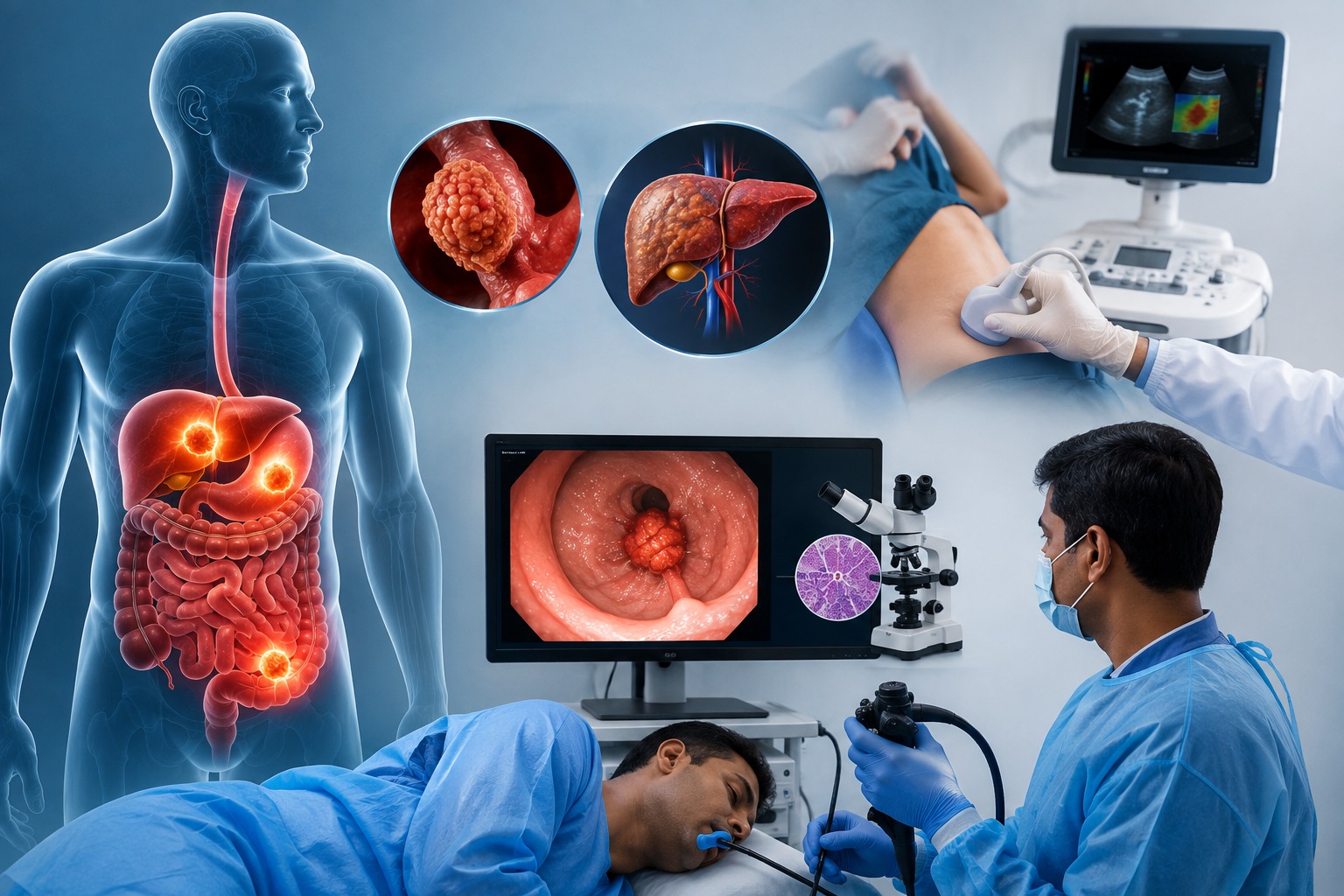
None of these signs confirms cancer on its own. Even so, each one deserves a proper look rather than another tablet.
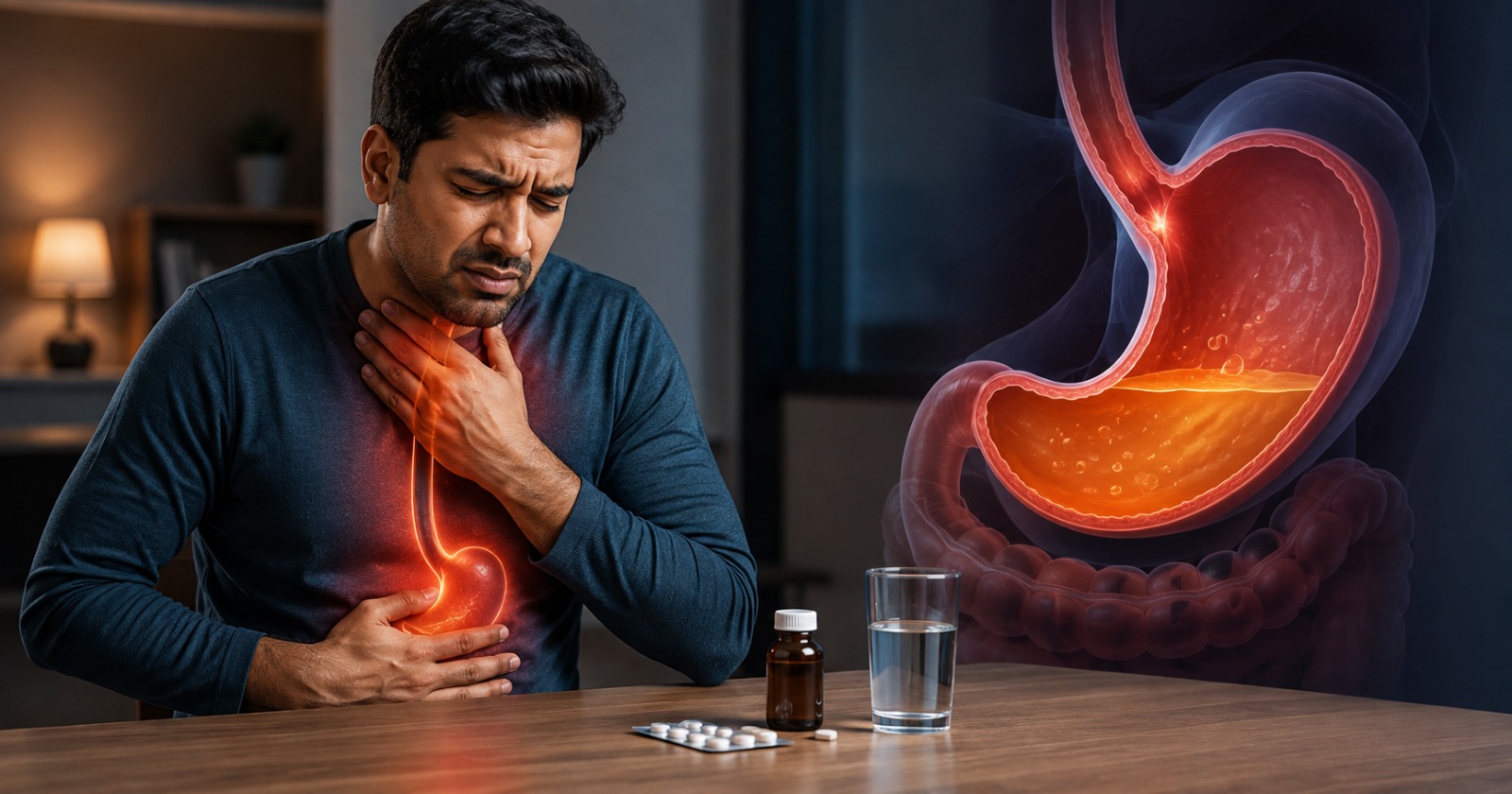

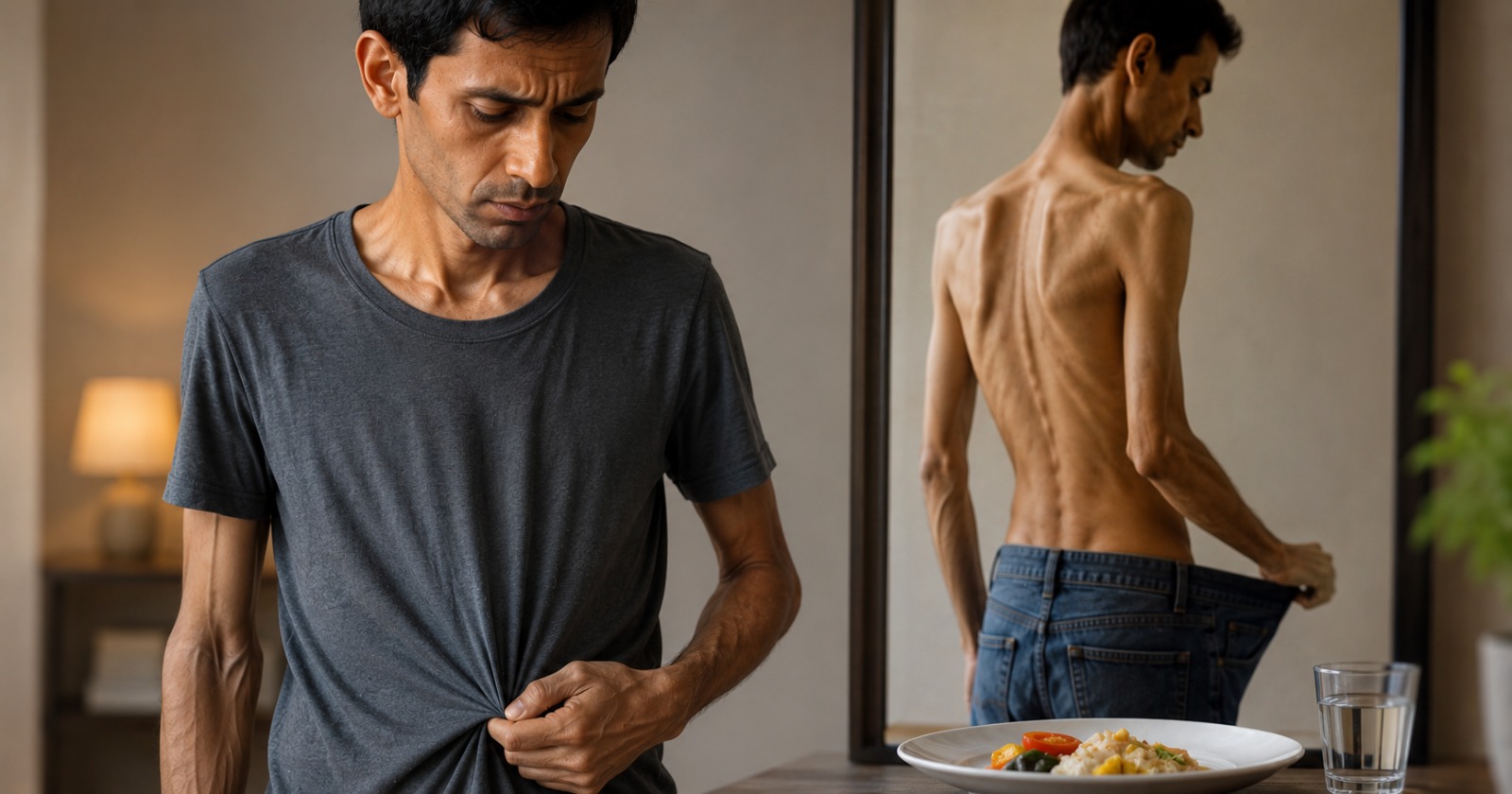
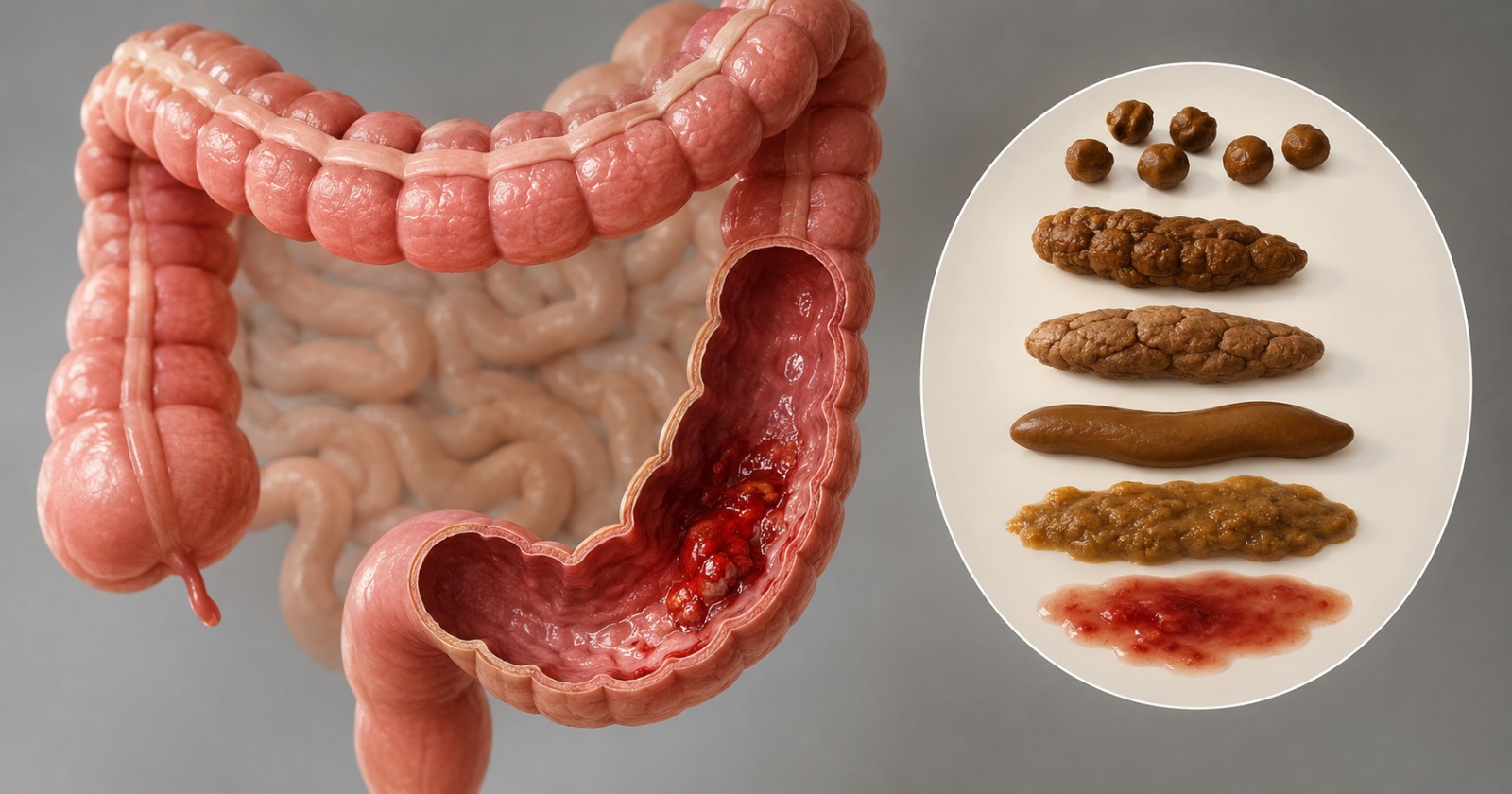
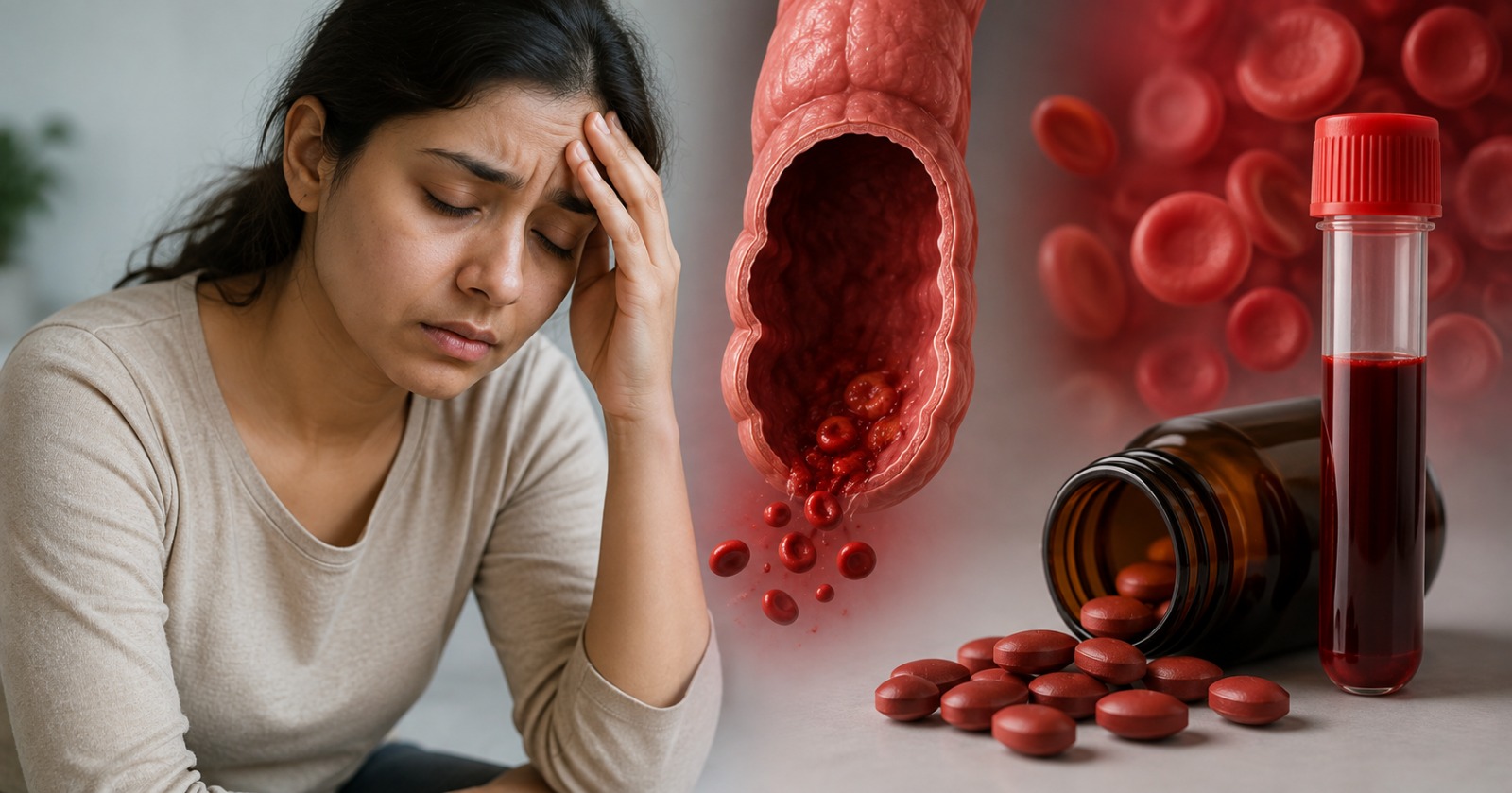

Nearly everyone names the problem before arriving. Unfortunately, a wrong label delays GI Cancer Diagnosis by months. These six reach our KPHB clinic most often.
Burning settled with a chemist's tablet
Persistent dyspepsia after 40 needs one endoscopy, not another antacid strip
Blood noticed after passing motion
Colon and rectal cancers bleed identically. A scope separates them within minutes
Tiredness blamed on work or age
Iron deficiency anaemia in an adult usually means a slow bleed somewhere in the gut
New diabetes accepted as routine
Sudden diabetes with weight loss can flag a pancreatic problem underneath
Longer meals, more water with every bite
Progressive dysphagia points to the food pipe until a scope proves otherwise
Family history treated as fate
Surveillance simply starts ten years earlier, and it prevents most of these cancers
Different organs need different tests. Therefore, we match each test to your personal risk instead of scanning everything. Effective GI Cancer Treatment in KPHB depends on catching disease at this stage.
| Cancer type | Early signs | Main risk drivers | First test | When to start |
|---|---|---|---|---|
Upper GI · Gastric
Stomach CancerGrows in the stomach lining or at the junction. |
Stubborn acidity, early fullness, fading appetite. | H. pylori infection, chronic gastritis, smoking, salted foods. | Upper GI endoscopy with a targeted biopsy. | After 40 Whenever acidity persists beyond a month. |
Lower GI · Colorectal
Colon and Rectal CancerBegins in the large bowel, usually as a polyp. |
Changed bowel habit, blood in stool, thinner stools. | Age above 45, earlier polyps, colitis, family history. | Colonoscopy, with polyp removal in the same sitting. | From 45 Ten years earlier than a relative's diagnosis. |
Upper GI · Oesophageal
Esophageal CancerNarrows the food pipe between throat and stomach. |
Solids sticking, then discomfort while swallowing. | Long-term reflux, Barrett's oesophagus, tobacco, alcohol. | Upper GI endoscopy, plus biopsy where needed. | Straight away Any change in swallowing, at any age. |
Hepatobiliary · HCC
Liver CancerAlmost always grows on an already scarred liver. |
Often none. Later, weight loss and swelling appear. | Cirrhosis, hepatitis B, hepatitis C, fatty liver, alcohol. | Ultrasound with AFP, alongside a FibroScan. | Every 6 months Once cirrhosis or chronic hepatitis is known. |
Hepatobiliary · Pancreatic
Pancreatic CancerSits deep behind the stomach, so it hides well. |
Painless jaundice, backache, sudden diabetes. | Smoking, chronic pancreatitis, obesity, family history. | Ultrasound first. Then a CT scan or an EUS. | Straight away As soon as jaundice or unexplained diabetes begins. |
Some people need testing earlier and more often. Accordingly, we split the guidance into two straightforward groups.
Nobody needs every test on this list. Instead, each step decides whether the next one follows.
First, we map your symptoms against their timeline. Then we review family history, diet, tobacco and every current tablet. A physical check follows, covering the abdomen, lymph nodes and weight.
Haemoglobin, liver function and clotting give the baseline picture. Besides, markers such as AFP, CEA and CA 19-9 add useful context. However, no marker alone confirms or rules out cancer.
Next, a thin camera inspects the lining directly. The whole test runs ten to fifteen minutes under sedation. Moreover, we remove suspicious polyps during that very sitting.
Fine forceps collect tissue painlessly from any suspicious area. That sample then decides everything downstream. Reports usually reach you within two to four days.
Staging answers one question: how far has it travelled? CT, MRI or PET maps the tumour, the nodes and the neighbouring organs. Subsequently, the right sequence of treatment becomes clear.
Finally, a gastroenterologist, an oncologist, a surgeon and a radiologist review your case together. As a result, you receive one coordinated plan rather than five conflicting opinions. We then explain it in plain language.
Gastrointestinal Cancer Treatment in KPHB spans several stages, and our clinic covers the digestive side. Accordingly, we select from the options below and coordinate the rest.
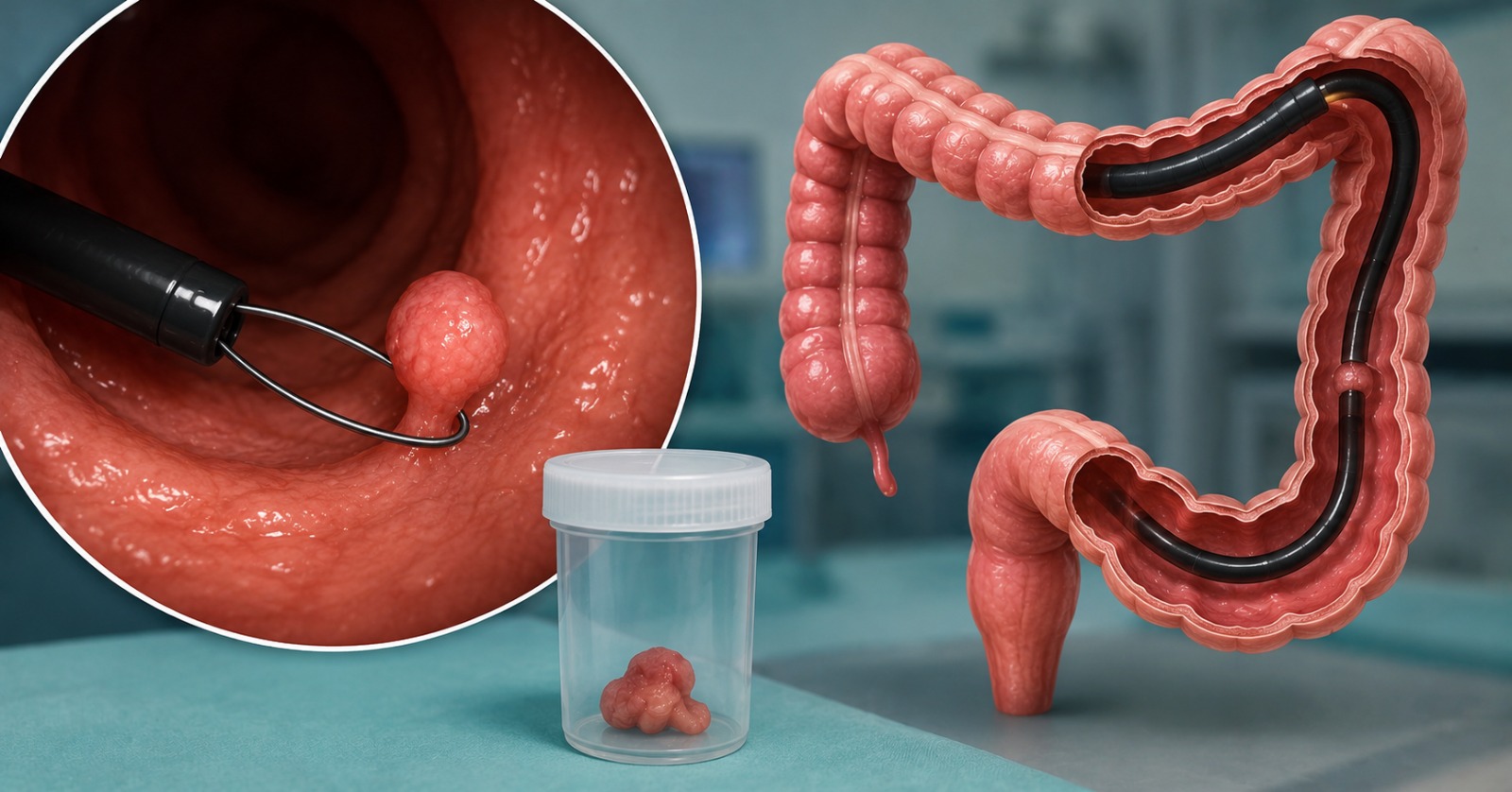
Polyps come out during the colonoscopy itself. Each one then goes for histopathology. Consequently, removing them today prevents colon cancer tomorrow.
Very early, surface-level cancers sometimes need no surgery whatsoever. The scope lifts and resects them completely. Moreover, recovery takes hours rather than weeks.
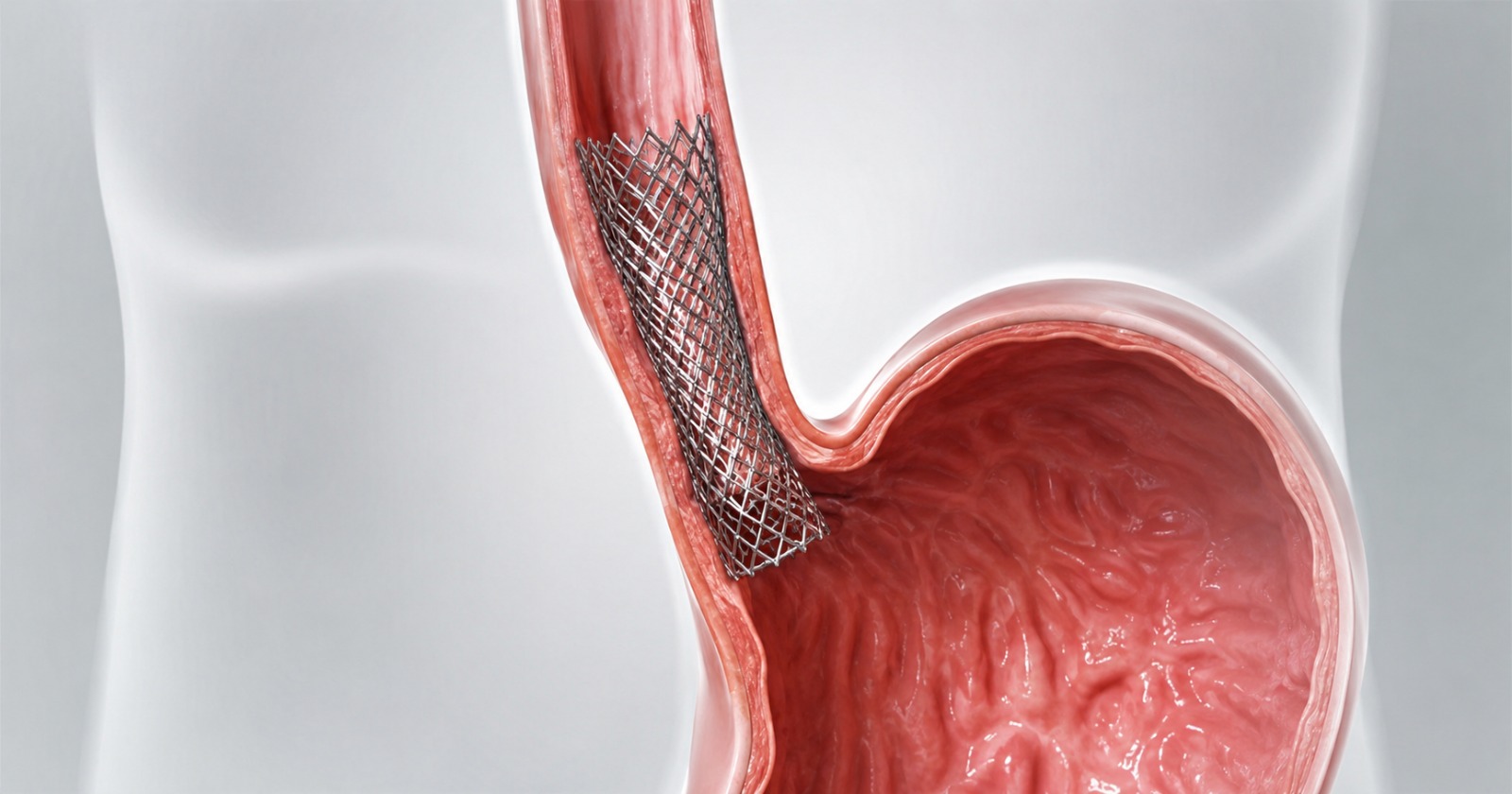
A growing tumour can block the food pipe or the stomach outlet. Then a stent reopens that passage without any cutting. Therefore, patients start eating properly again within a day.

Blocked bile ducts turn the eyes and skin yellow. Drainage settles that jaundice quickly and safely. Furthermore, chemotherapy can only begin once bilirubin falls.

Weight loss weakens the response to every therapy. Hence, we build a practical plan around normal Telugu meals. Iron or B12 support follows wherever the reports demand it.
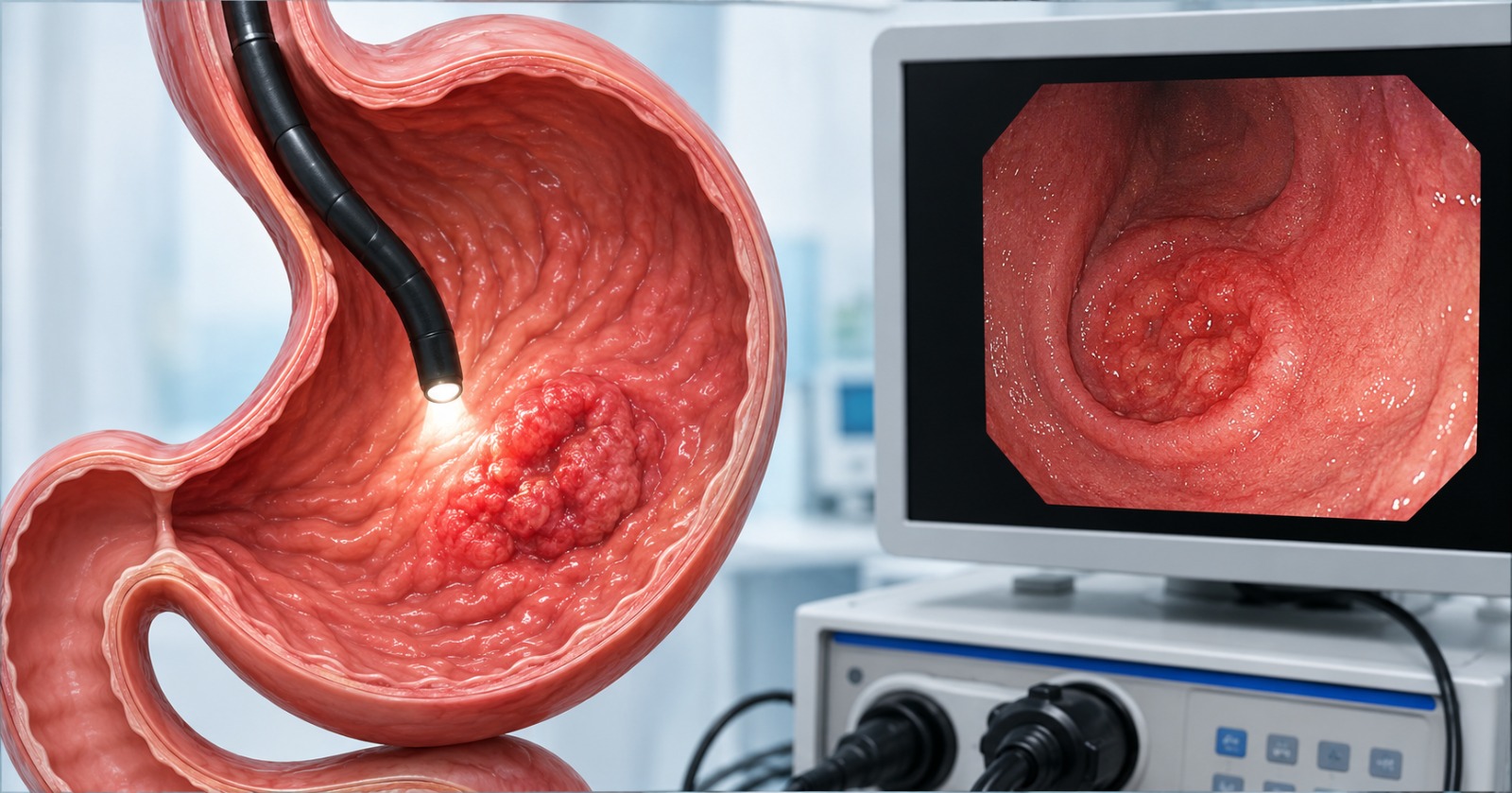
Treatment finishing never means monitoring finishing. Scheduled scopes, scans and FibroScan readings catch any recurrence early. Also, one familiar doctor keeps the whole record together.
Digestive System Cancer Treatment changes with the organ involved. Below, you will find what each one usually needs from us first.
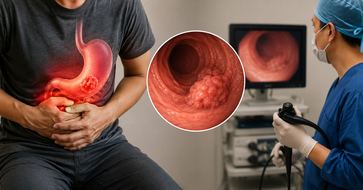
Stomach cancer frequently follows H. pylori infection or chronic gastritis. Early symptoms copy ordinary acidity almost exactly. Therefore, one endoscopy settles the doubt quickly.

Colon cancer usually starts as a small, harmless-looking polyp. Colonoscopy finds it and removes it in one sitting. Consequently, screening here prevents disease instead of merely detecting it.
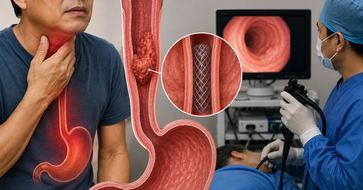
Trouble swallowing remains the classic first sign. Long-term reflux, tobacco and alcohol raise the risk sharply. Additionally, a stent restores swallowing whenever the passage narrows.

Liver cancer grows quietly on cirrhosis, hepatitis or advanced fatty liver. Six-monthly ultrasound with AFP catches it early. Because our FibroScan sits on site, surveillance stays simple and painless.
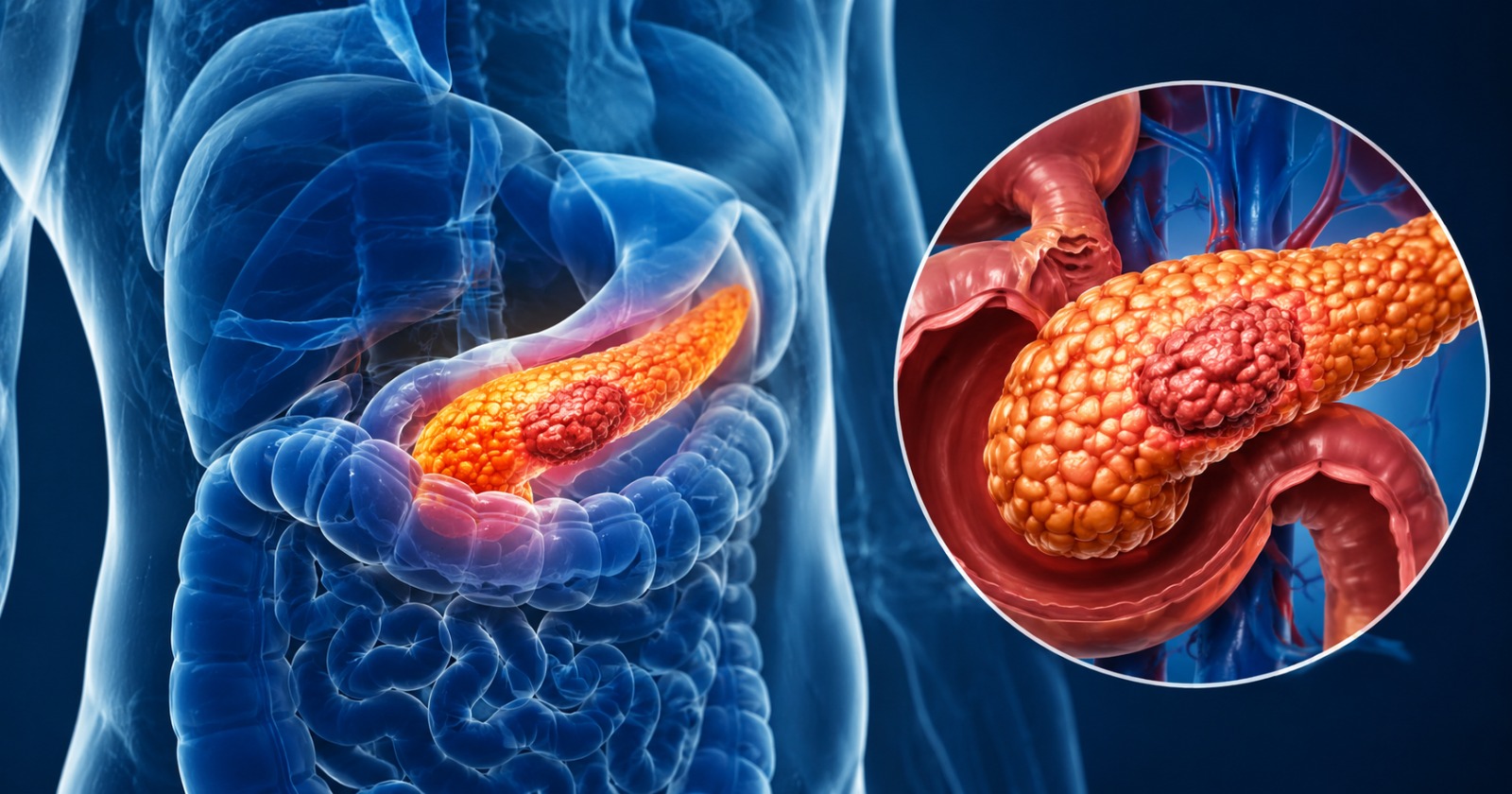
Pancreatic tumours hide deep inside the abdomen. Painless jaundice, backache or sudden diabetes may be the only clue. Prompt imaging and biliary drainage matter enormously here, since time counts.

Bring your reports, biopsy slides and scan films along. We review everything calmly, without any pressure to switch. Afterwards, you leave knowing exactly what the findings mean.
Digestive symptoms get treated blindly far too often. Someone hands over an antacid strip. Another advises waiting a few more weeks. Meanwhile, the real problem grows quietly. Patients reach this GI cancer doctor in KPHB from Kukatpally, Nizampet and Miyapur. Others travel further across the city for one clear answer.
We scope at the KPHB Colony clinic itself. So you skip the referral chain completely. Also, a polyp can come out during that same sitting.
Liver cancer grows silently inside a scarred liver. Hence, we measure stiffness before anything else develops. No second trip across the city becomes necessary.
Screening slips easily down a working family's list. Therefore, we run Sunday morning clinics and late evening slots. Nobody needs to apply for leave.
The same specialist sees you at every visit. As a result, nothing slips between departments. Your reports and your plan stay in one pair of hands.
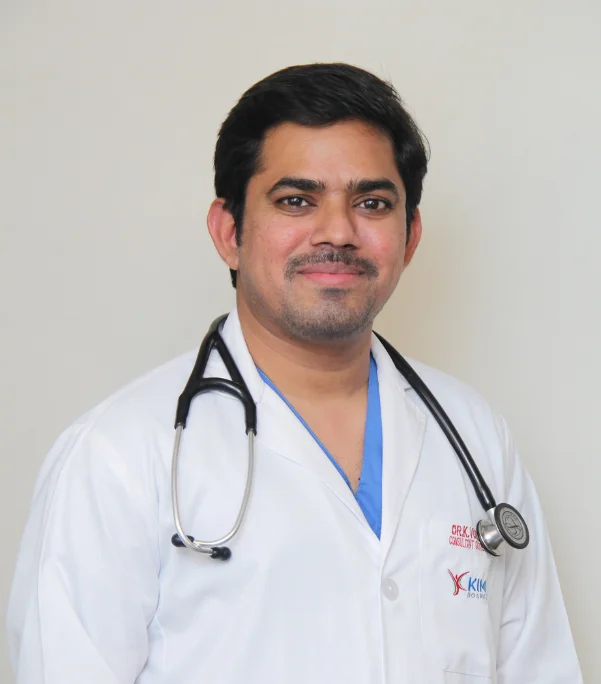
Consultant Gastroenterologist & Liver Specialist. Advanced Interventional Endoscopist at Gokul Gastro & Liver Care, KPHB. He also consults at Medicover Hospitals, Financial District. His cancer work covers screening, diagnosis, staging and endoscopic care.
Fasting is not required for the consultation itself. However, we advise it whenever a scope may follow the same day. Kindly ask us while booking, and we will confirm.
Message us with your symptom and how long it has lasted. Then we suggest the earliest suitable slot. Also, you can share reports over WhatsApp beforehand. Your consultation stays entirely private. Furthermore, GI Cancer Treatment in KPHB starts with one unhurried consultation.
Yes, quite often. Early-stage digestive cancers carry excellent outcomes. Some surface lesions come out endoscopically and need no surgery whatsoever.
Therefore, screening remains the strongest tool available. Above all, it works while you still feel completely well.
No. Dr. Kamisetty handles screening, endoscopy, biopsy, staging support and digestive care. For surgery, chemotherapy or radiation, he refers you to established oncology centres.
Meanwhile, your gastroenterology follow-up continues with him. So nothing gets duplicated, and nothing gets dropped.
Most adults should begin around 45 years. However, a family history or chronic liver disease shifts that age earlier.
Kindly discuss your personal risk during the consultation. We then set a schedule that suits your situation.
Not really. Patients receive a throat spray, and sedation wherever needed. The test finishes within ten to fifteen minutes.
Afterwards, most people resume normal activity the same day. Moreover, we can remove a polyp during that very sitting.
Sometimes, yes. Bright red bleeding usually comes from piles or a fissure. Nevertheless, early colon cancer can look identical.
So a colonoscopy settles the question once and for all. Any first bleed after forty-five certainly deserves one.
Cost depends on what you actually need. A consultation alone costs least. Endoscopy, colonoscopy, biopsy, FibroScan and imaging each carry separate charges.
Furthermore, we explain every charge before proceeding. Please call 90000 20315 or message us on WhatsApp.
Start with a DM-qualified gastroenterologist. That specialist scopes, biopsies and stages the disease before anyone else gets involved.
Consequently, the oncology team receives a complete picture from day one. Treatment then begins without avoidable delay.
Appointments help, though walk-in patients are welcome too. Sunday mornings and weekday evenings fill up fastest.
Please call 90000 20315 and confirm a convenient slot. Also, carry your earlier reports, endoscopy discs and biopsy slides.