Pancreatitis treatment in KPHB is available seven days a week at Gokul Gastro & Liver
Care, Kukatpally, with a Sunday OPD and evening hours for working families. Sudden upper
abdominal pain brings most patients to us in real distress, so we assess, scan and begin
relief on the very first visit itself — Dr. Viswanath Kamisetty handles every
consultation personally.
Because pancreatic inflammation can worsen within hours, timely review matters a great deal.
Repeated attacks slowly scar the organ and reduce its working capacity, so our team focuses on
breaking that cycle early while treating the root cause too, whether gallstones, alcohol or
high triglycerides.
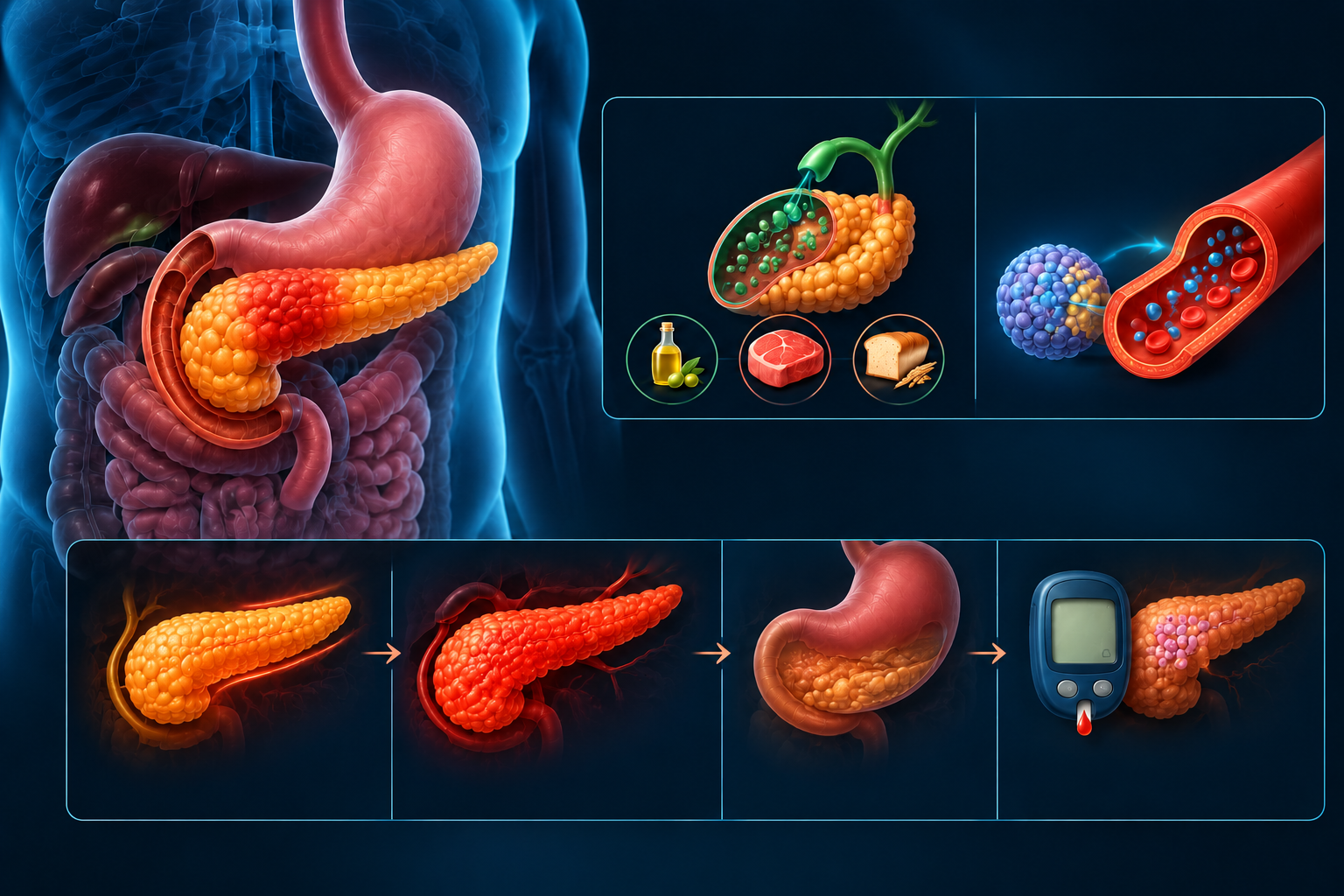
The pancreas sits quietly behind your stomach and handles two big jobs daily.
It releases enzymes that break down fat, protein and starch, and it produces insulin, which
keeps blood sugar steady. Pancreatitis simply means inflammation of this organ — when
digestive enzymes switch on too early, they start irritating the pancreas itself, and swelling,
severe pain and poor digestion follow quickly.
During an attack, the gland swells and blood flow drops, and fluid may collect around the
organ. Digestion slows down sharply, so meals feel heavy and painful, and occasionally insulin
output falls and sugar levels climb — which is why we check both digestion and sugar at
every follow-up.
Acute versus chronic pancreatitis
Some attacks settle in a few days; others leave lasting damage that needs long-term support. We
separate the two before planning care.
Acute pancreatitis
A sudden, severe episode of inflammation. Gallstones and alcohol cause most such attacks in
Hyderabad, and occasionally high triglycerides, certain medicines or a recent ERCP trigger one.
Many episodes settle within a week, though some turn severe rapidly.
Chronic pancreatitis
Suits patients whose pancreas has scarred over months or years. The gland shrinks, ducts narrow
and enzyme output drops steadily. Alcohol remains a leading cause, yet genetic and idiopathic
types are common in South India too.
Symptoms
Signs that you need pancreatitis treatment in KPHB
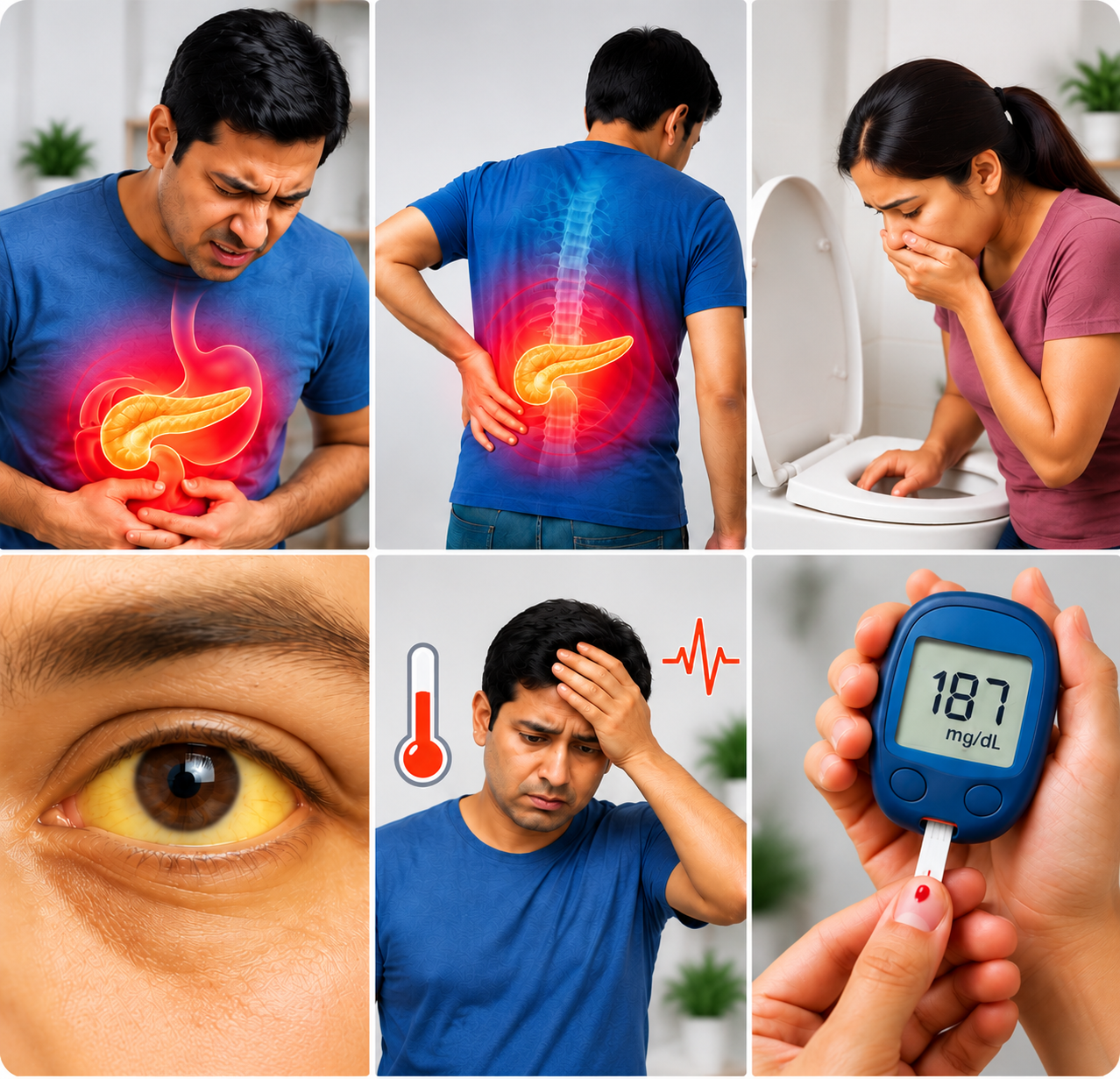
Pain is usually the first clue, though it presents differently in each person — typically it
starts below the ribs and bores straight through to the back.
Pain spreading to the back
Bending forward often eases it slightly; oily meals tend to make it worse.
Nausea and repeated vomiting
Shows up after eating, especially after oily or heavy meals.
Bloating and swelling
The upper belly feels tender and swollen, not just uncomfortable.
Fever with a fast pulse
Signals the body is actively fighting inflammation, not settling on its own.
Pale, floating stools
A sign that fat isn't being digested properly, worth mentioning even if it feels awkward.
Appetite and weight loss
Eating less first, then weight dropping as a knock-on effect.
Long-standing damage speaks differently: oily stools that stick to the pan (steatorrhoea), gradual
weight loss despite normal meals, newly diagnosed diabetes without family history, a persistent
dull ache returning every few weeks, and vitamin deficiencies causing tiredness and weak bones. Any
of these signs deserve a proper check — don't wait for the pain to settle on its own.
Causes
Common causes we look for
Identifying the trigger changes everything — otherwise, treatment only settles the current
episode and the next one arrives soon.
Gallstones
Blocking the common bile duct is the single most common trigger seen at our clinic.
Alcohol
Consumed heavily over several years, alcohol remains a leading cause of chronic disease
especially.
High triglycerides
Often above 1000 mg/dL when they trigger an attack, and worth checking after a first
episode.
Medicines and genetics
Certain diuretics and immunosuppressants can trigger an attack, and genetic factors turn up
more often in younger patients.
Autoimmune and structural causes
Autoimmune pancreatitis responds well to steroids, while duct abnormalities present since
birth and high calcium from parathyroid disorders round out the less common triggers.
>
Diagnosis
Pancreatitis diagnosis in KPHB — tests we arrange
Accurate diagnosis combines blood work, imaging and a careful history, so we avoid guesswork and
start the right treatment quickly.
1
Blood tests
Serum lipase and amylase confirm active inflammation, while liver function tests flag a
blocked bile duct.
2
Ultrasound abdomen
Detects gallstones and fluid collections — usually the first imaging step in
every workup.
3
CT abdomen or MRCP
CT grades severity and spots complications; MRCP maps the pancreatic and bile ducts
clearly when duct anatomy needs a closer look.
4
Endoscopic ultrasound
Examines subtle duct and gland changes that other scans can miss, reserved for cases
that need that extra detail.
5
Enzyme and sugar screening
Faecal elastase measures how much enzyme the gland still makes, while HbA1c and fasting
sugar screen for pancreatic diabetes.
Treatment
Treatment options and when we choose them
Each plan is discussed openly before starting, and we explain costs and timelines upfront, so
families can plan sensibly.
Conservative care
Chosen for a mild acute attack with stable vitals and no organ stress. Fluids, pain control
and careful feeding help the gland settle, and nutrition restarts early rather than after
long fasting.
Enzyme replacement therapy
Chosen when fatty stools, weight loss or low faecal elastase appear. Capsules taken with
every meal make a visible difference within weeks, and stools normalise as bloating
settles.
Dietary restructuring
Chosen for every patient, especially after the first episode. Small, frequent, low-fat meals
work better than three heavy ones, and the change alone prevents many repeat attacks.
Trigger-specific medical therapy
Triglyceride-lowering therapy is chosen for lipid-triggered attacks with very high readings;
steroid therapy is chosen for confirmed autoimmune pancreatitis, which responds well to
it.
Endoscopic and surgical intervention
ERCP with stenting clears a blocked duct, stone or leak; endoscopic drainage relieves a
symptomatic pseudocyst pressing on the stomach; surgical referral follows for gallstone
disease or duct disease that endoscopy alone can't settle.
Diabetes management
Chosen when rising HbA1c reflects reduced insulin output. Regular tracking catches this
early, before sugars climb far enough to cause their own problems.
Dr. Viswanath Kamisetty holds MBBS, MD and DM in Medical Gastroenterology, and treats
pancreatic, liver and digestive disorders across all age groups. Every patient at our clinic
sees him directly, not a rotating panel — because continuity matters in pancreatic
disease, this single-doctor model helps enormously. Pancreatic disease needs someone who reads
scans, interprets enzyme levels and judges severity daily; a DM-qualified gastroenterologist
brings exactly that depth, which is why decisions about when to scan, when to refer and when to
wait become far more accurate. Reliable pancreatitis treatment in Hyderabad shouldn't mean a
long drive, so we chose KPHB 13th Phase for easy metro and road access from across the western
corridor of the city.
One DM-qualified specialist following your case throughout
On-site FibroScan with same-visit readings
Clear explanations in Telugu, Hindi and English
Honest advice about when treatment can safely wait
Book your pancreatitis consultation in KPHB today.
Pancreatitis responds best when treated early and reviewed regularly. Dr. Viswanath Kamisetty
will review your reports, explain the cause plainly and build a plan that fits your routine
— call, write, or walk in during our evening or Sunday hours.
How soon should I see a doctor for upper abdominal pain?
Book a review within a day if pain is severe, constant or radiating to the back. Early
treatment prevents mild attacks from becoming complicated ones.
Can pancreatitis be cured completely?
Acute attacks usually settle fully when the cause is corrected. Chronic disease is managed
rather than cured, though most patients live comfortably with enzymes, diet changes and regular
review.
Is admission always necessary?
No. Mild attacks are often managed as outpatients with close monitoring. Severe cases need
hospital care, and we arrange that promptly when required.
Does pancreatitis lead to diabetes?
Sometimes it does, particularly in long-standing chronic disease. We check HbA1c periodically
and start treatment early if sugars rise.
What does pancreatitis diagnosis in KPHB usually cost?
Costs depend on which tests you need. Basic blood work and ultrasound remain affordable,
whereas CT, MRCP and endoscopic ultrasound cost more. We always explain charges before ordering
anything.
Can I drink alcohol occasionally after recovery?
Unfortunately, no amount is considered safe once pancreatitis has occurred. Even small
quantities can trigger a fresh attack.
How long does recovery take?
Mild acute episodes improve within a week. Moderate ones may take three to four weeks, and
chronic pancreatitis needs ongoing care, though symptoms usually settle steadily with
treatment.
Do you offer weekend appointments?
Yes. Our Sunday OPD and evening slots let patients consult without taking leave from work.