
Subtotal $0.00
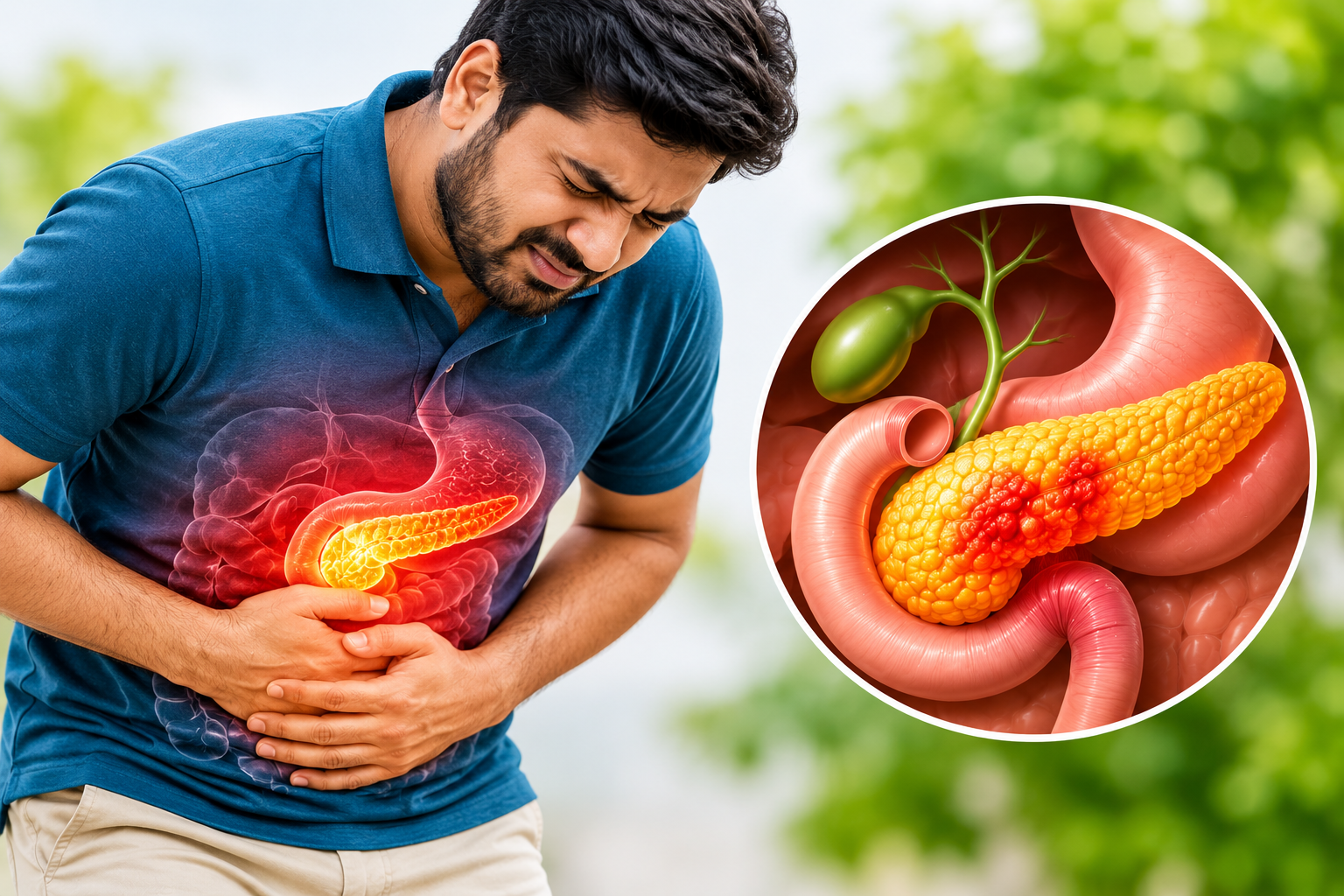
Pancreatitis Treatment: Symptoms, Causes and Recovery Guide
Pancreatitis treatment works far better when you catch the warning signs early, yet many people first blame gas or acidity. That delay can turn a manageable attack into a long hospital stay. This guide covers four things every patient should know. These are the symptoms, the causes, the right diet and the road to recovery. You will also see how a gastroenterologist weighs each case before choosing care.
Understanding Pancreatitis Before Treatment Begins
Picture the pancreas as a busy workshop hidden below the stomach. Its two main products are food-digesting enzymes and the hormone insulin. Normally, these juices stay switched off until they reach the intestine. In pancreatitis, they switch on early and start harming the gland itself.
Acute and Chronic: Two Different Journeys
An acute attack arrives suddenly, often within a few hours. Most acute attacks are mild and calm down within a week. Chronic pancreatitis, in contrast, builds slowly as repeated injury scars the gland. Over the years, it can weaken digestion and disturb blood sugar.
Symptoms That Call for Pancreatitis Treatment
Symptoms differ between a sudden attack and long-term disease. Once you know both patterns, you can get pancreatitis treatment without losing precious days.
Signs of a Sudden Attack
- Severe pain just below the breastbone or on the upper left side
- Pain that feels as if it goes straight through to the spine
- Slight ease when you bend forward
- Repeated vomiting and a bloated belly
- Fever and a quick pulse
Signs of Long-Term Disease
- Frequent bouts of upper belly pain, often after food
- Bulky, pale stools that float or stick to the pan
- Steady weight loss despite eating normally
- High sugar readings or newly found diabetes
Stomach Pain Treatment Should Start With a Diagnosis
Many people try antacids or gas tablets first. While these may ease mild acidity, they do little for an inflamed pancreas. That is why a gastro doctor should examine you before any stomach pain treatment starts. Usually, a few blood reports and one scan point to the culprit within hours.
Red Flags That Need a Hospital Today
Head to a hospital emergency room at once if you notice:
- Pain that makes you twist and turn in bed
- Vomiting every time you sip water
- Yellow eyes, high fever or unusual drowsiness
- Fast breathing or very little urine
Common Causes Doctors Look For
Pancreatitis treatment succeeds when it targets the trigger. Your gastroenterologist will therefore search carefully for the cause:
- Gallstones: A stone slipping into the common bile duct can block the flow of pancreatic juice.
- Alcohol: Years of heavy drinking injure the gland, and binges can set off an attack.
- Smoking: Tobacco speeds up long-term scarring.
- High triglycerides: A reading beyond 1,000 mg/dL is enough to spark an attack.
- Medicines: A few drugs, such as certain water pills and seizure medicines, occasionally cause it.
- Genes: Changes in genes such as PRSS1, SPINK1 and CFTR raise the risk.
- Procedures: An ERCP, now and then, irritates the pancreas and starts an attack.
Tropical pancreatitis, a non-alcohol form, adds to the list in South India, mostly among teenagers and young adults.
How Doctors Plan Pancreatitis Treatment
Every plan rests on two questions: how severe is the attack, and what caused it? Your gastro doctor answers both before choosing the next step.
Tests Before Treatment
Doctors confirm an attack when two of three clues line up. These are typical pain, a lipase level over three times normal and changes on a scan. Next, blood counts, kidney tests, calcium and triglycerides show how serious the attack is. If the cause stays hidden, your doctor may request an endoscopic ultrasound from an endoscopist. This test can find tiny stones and subtle duct changes that a CT scan misses.
Hospital Care for Acute Pancreatitis
Acute pancreatitis treatment takes place in hospital, usually for a few days. The team gives IV fluids, steady pain relief and anti-nausea medicine. Food starts again early, often once vomiting stops. Antibiotics come in only when doctors find or suspect an infection.
Meanwhile, the team deals with the trigger. For example, a stone stuck in the bile duct with fever may need an urgent ERCP. After a mild gallstone attack, surgeons normally take out the gallbladder before discharge.
When an Attack Turns Severe
About one in five attacks becomes moderate or severe. In such cases, organs like the lungs and kidneys may need support in the ICU. Fluid or dead tissue can also collect near the pancreas. Doctors usually wait around four weeks before draining it, since many collections settle by themselves.
Ongoing Pancreatitis Treatment When the Disease Is Chronic
Chronic pancreatitis treatment aims to control pain, restore digestion and protect blood sugar. Your gastroenterologist will usually combine several steps:
- Enzyme capsules with every meal to digest fat and protein
- Pain relief that starts simple and steps up only when needed
- Sugar checks at regular intervals, because diabetes can develop
- Vitamin D, calcium and other supplements when tests show a shortfall
- Total avoidance of alcohol and tobacco to slow further damage
Role of the Endoscopist in Chronic Disease
Stones and narrow segments in the main duct often cause stubborn pain. An endoscopist can treat many of these problems without open surgery.
What Happens During ERCP
You receive sedation, and a flexible scope travels down the food pipe into the small intestine. From there, the endoscopist enters the pancreatic duct, removes stones or places a stent. Large, hard stones may first need shock wave treatment called ESWL.
Aftercare at Home
Take it easy for the rest of that day, and return to light meals by the next morning. A sore throat or mild bloating is common and fades soon. However, call your doctor quickly if pain, fever or black stools appear. Note the date for stent removal or exchange, and do not miss it.
Recovery Timeline After Pancreatitis Treatment
Recovery speed depends on the severity of the attack and on removing its cause. After a mild acute attack, a typical path looks like this:
- First week: Pain settles in hospital, and normal food returns.
- Weeks two to four: Most people resume light work and short walks.
- First three months: Follow-up tests confirm that the cause is under control.
- Long term: Anyone with chronic disease should get a yearly review of sugar and nutrition.
Signs Recovery Is Off Track
Contact your doctor if pain keeps returning, weight keeps falling or stools stay oily. Similarly, new jaundice or rising sugar needs prompt review. These changes may mean your pancreatitis treatment needs adjusting.
Finding the Right Specialist for Pancreatitis Treatment
Many families look up the best gastroenterologist nearby on their phones. Star ratings tell only part of the story, so confirm the doctor holds a DM or DNB super-speciality degree. Real experience with pancreas problems matters too. Also check whether a skilled endoscopist can perform EUS and ERCP for you. Above all, choose someone who explains your plan in clear, simple words.
Pancreatitis Care in Kukatpally, Hyderabad
At our KPHB Colony clinic, Dr. Viswanath Kamisetty, MBBS, MD, DM (Medical Gastroenterology), treats both acute and chronic pancreatitis. He reviews every report with you and plans follow-up visits around your recovery. When a hospital stay or procedure becomes necessary, he explains the arrangements in advance. Visit his profile or our pancreatitis treatment page to learn more.
Frequently Asked Questions on Pancreatitis Treatment
1. How quickly does pancreatitis treatment start working?
For a mild attack, pain often eases within two to three days of hospital care. Chronic disease improves more gradually as enzymes and pain plans take effect.
2. What is the most common cause of pancreatitis in India?
Gallstones and alcohol lead the list. In the south, tropical pancreatitis also plays a notable part, especially in young people.
3. Can I drink coconut water after pancreatitis?
Yes, in moderation. Coconut water is low in fat and helps with hydration, unless your doctor has restricted fluids.
4. Is walking good during recovery?
Gentle walking helps once pain settles. Start with short walks and build up slowly over a few weeks.
5. Does a gastro doctor treat pancreatitis or a surgeon?
A gastro doctor leads most pancreatitis treatment. Surgery plays a part mainly in removing the gallbladder or helping a few chronic cases.
6. When does an endoscopist get involved?
An endoscopist steps in for bile duct stones, unexplained repeat attacks, blocked pancreatic ducts or fluid collections that need drainage.
7. Will I need enzyme capsules for life?
People with chronic pancreatitis often do. After a single acute attack, however, most people never need them.
8. How can I lower the risk of another attack?
Remove gallstones if advised, give up alcohol and tobacco and keep triglycerides under control. Regular reviews also help.
9. What should I check when picking the best gastroenterologist?
Check for a DM qualification and regular pancreas work. Also ask if the clinic offers EUS and ERCP, and choose a doctor who explains things simply.
Conclusion
Good pancreatitis treatment rests on four pillars: spotting symptoms early, finding the cause, eating wisely and following up. A mild attack typically clears up within days and rarely leaves lasting harm. Chronic disease needs steady, lifelong care, yet most patients still lead full lives. Most importantly, never dismiss severe or repeated upper belly pain as simple acidity.
Planning a consultation? Book a slot with Dr. Viswanath Kamisetty at our Kukatpally clinic in KPHB Colony. Call or WhatsApp +91 90000 20315, or book our appointment online.pancreatitis treatment page
